











Uptown Movers Chicago: Local Movers Who Know Every Block
Uptown Movers Chicago: Handling a Neighborhood of Vintage Six Flats and Lakefront High Rises
Uptown does not move like the rest of Chicago, and that is exactly why moving here trips up so many people who hire the wrong company. This is a neighborhood where a nineteen twenties courtyard building with a marble lobby and zero elevator sits two blocks from a modern lakefront tower with a loading dock and a reserved freight elevator window. One street calls for a dolly, a stack of moving blankets, and a crew who knows how to angle a couch through a narrow center stairwell. The other calls for a certificate of insurance faxed to a building management office three days in advance. If your mover only knows one version of Uptown, you pay for it in wasted hours, scrambled paperwork, or a truck stuck circling the block.

A Neighborhood Shaped by Its Roaring Twenties Boom
Long before Uptown became known for the Aragon Ballroom, the Riviera Theatre, and the Green Mill, it was a commercial and entertainment district that exploded almost overnight in the years around World War I. Developers filled the side streets with three story walk up apartment buildings, known locally as six flats, built on narrow fifty foot lots with a center entrance and a single shared stairway. In pockets like the Sheridan Park Historic District, that same building stock still stands today, largely unchanged, tucked between single family homes with deep, unusually generous yards for a city neighborhood.
That history is not just trivia. It is the reason a move in Buena Park or Sheridan Park often looks completely different from a move along Marine Drive or Sheridan Road, where postwar and modern high rises dominate the skyline. Knowing which version of Uptown you are dealing with changes everything about how a moving day should be planned.
Why the Vintage Buildings Change the Whole Plan
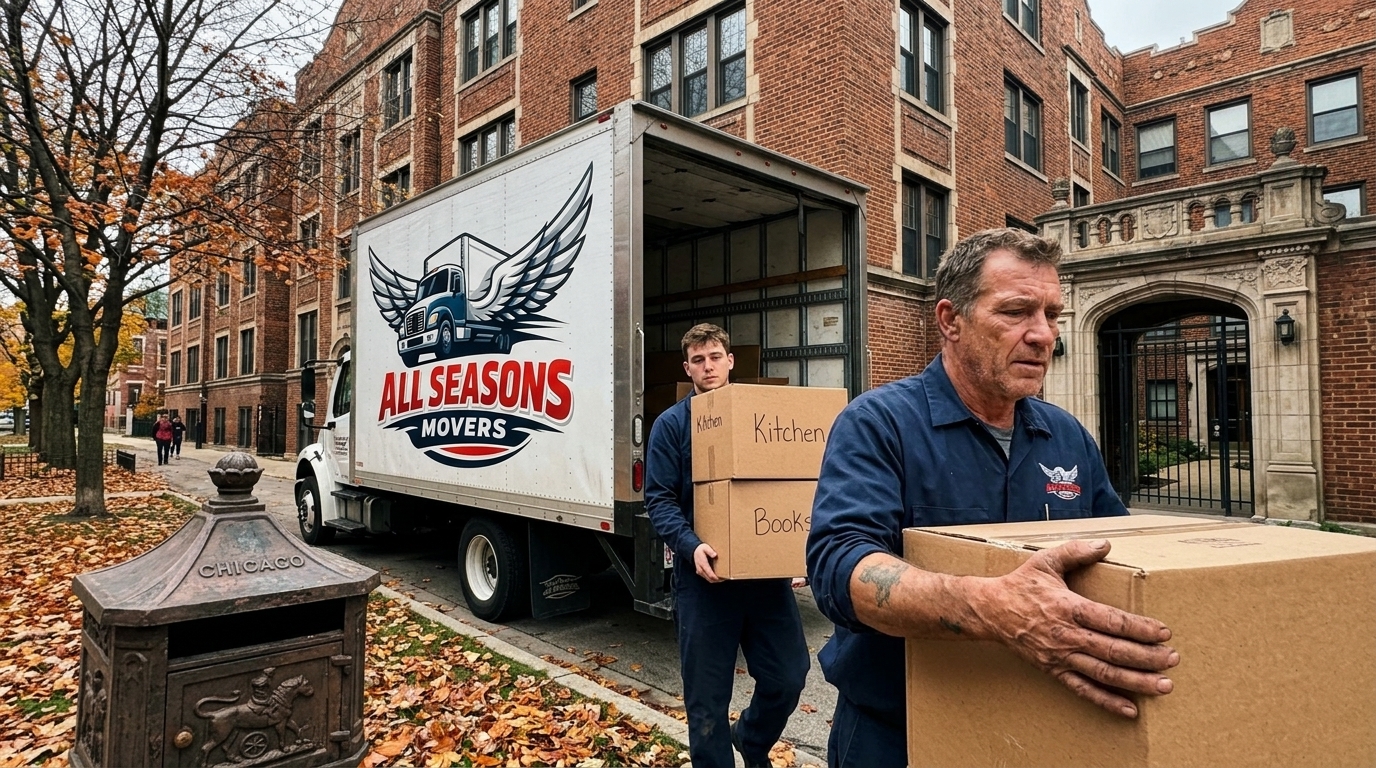
Those beautiful old six flats and courtyard buildings were never designed with moving trucks in mind. Stairwells are tight and often curved. Doorframes were built for furniture sizes that stopped being standard decades ago. Many buildings still have their original mail slots, radiators, and transom windows crowding the hallways, which means every dresser, sectional, and mattress has to be measured and angled before it ever leaves the truck. A crew that has never worked a Sheridan Park six flat will burn through hours they did not budget for, and that time gets billed to you.
Experienced Uptown movers plan differently from the start. That means walking the client through door and stairwell measurements ahead of time, bringing furniture straps and shoulder dollies suited to narrow turns, and building in realistic time estimates instead of the generic hourly quote a company might give for a suburban ranch house.
The Other Uptown: High Rises Along the Lake
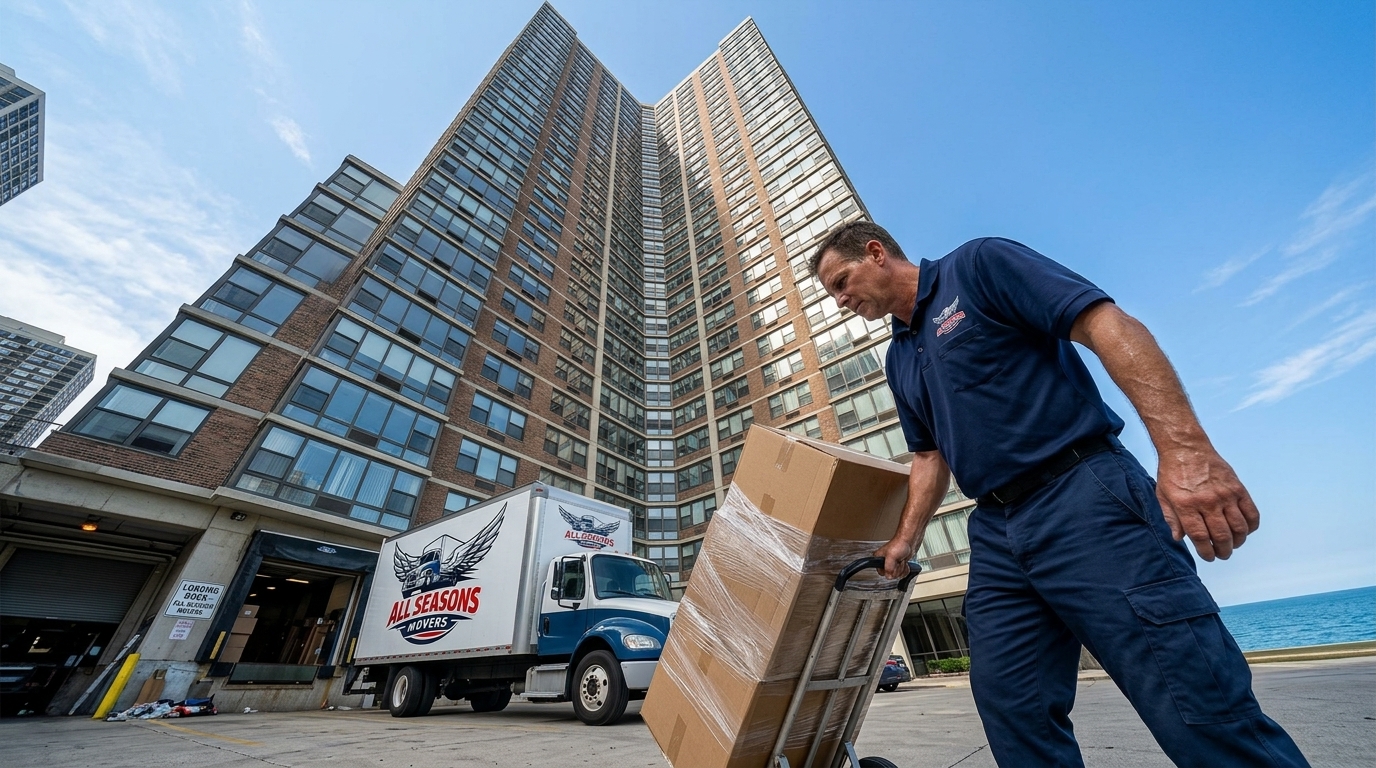
Just blocks away, buildings like the vintage towers on Sheridan Plaza and the newer developments closer to the lakefront bring a completely different set of rules. Management offices typically require a certificate of insurance before your movers ever step foot in the lobby, along with a scheduled freight elevator window that can be as short as two hours. Miss that window and your entire day gets pushed, sometimes to a different day entirely. A mover who has coordinated dozens of these building moves already knows what a Chicago COI needs to include and gets the paperwork moving early, instead of scrambling the morning of.
Parking Permits and Uptown's Tight Streets
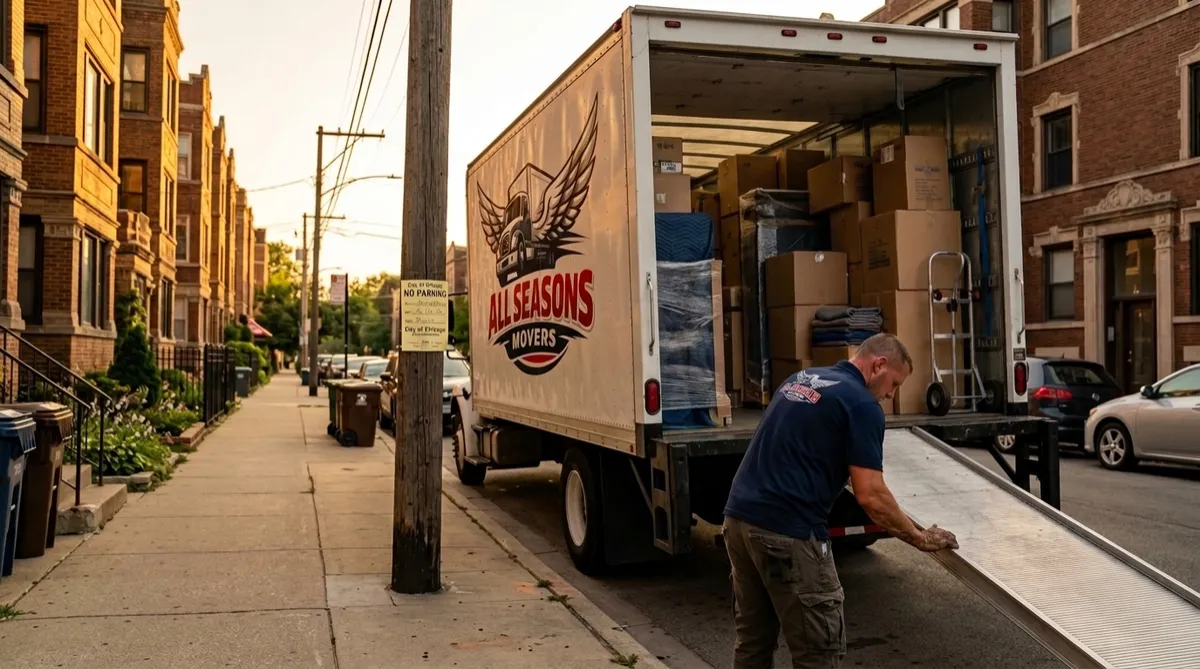
Here is something most newcomers to Uptown never expect. Many residential blocks require a temporary moving truck parking permit before a company can legally hold a stretch of curb for loading. Streets near Wilson Avenue, Broadway, and the side streets around Graceland Cemetery fill up fast, and a truck without a reserved spot can end up circling the block or parking a full alley away from the front door, adding real time and real cost to your move. A moving company that regularly works Uptown already knows how far ahead that permit needs to be requested and handles it as part of the planning process, not as an afterthought discovered on move morning.
Timing Your Move Around Uptown's Calendar
Uptown's entertainment district is a huge part of its charm, but a show at the Riviera or the Aragon means street closures, packed parking, and slower truck access for blocks in every direction. The same goes for warm weather weekends near the lakefront trail and the beaches, when foot traffic and event crowds can turn a normally quick load in into a longer one. A mover who knows the neighborhood's rhythm will help you avoid scheduling around a sold out show or a lakefront festival without you even having to ask.
Choosing Movers Who Actually Know Uptown
The pattern across Uptown is simple even though the neighborhood itself is not. Vintage six flats need patience, the right equipment, and a crew comfortable working tight, historic spaces. High rises need paperwork handled early and elevator windows respected to the minute. Either way, guesswork is what turns a simple move into a stressful one.
That is the difference a local, experienced team makes. All Seasons Movers has spent years learning exactly which Uptown blocks need a parking permit, which buildings require a certificate of insurance, and which six flats need an extra hour built into the estimate before the truck even shows up. Instead of learning your building's quirks the hard way, you get a crew that already expects them.
If you are planning a move into or out of Uptown, reach out through All Seasons Movers to get a quote built around your specific building, your block, and your timeline, not a generic estimate that ignores what makes this neighborhood what it is. A little local knowledge on move day goes a long way toward keeping your morning calm, whether you are hauling a sectional down a narrow six flat stairwell or waiting on a freight elevator forty stories up.