












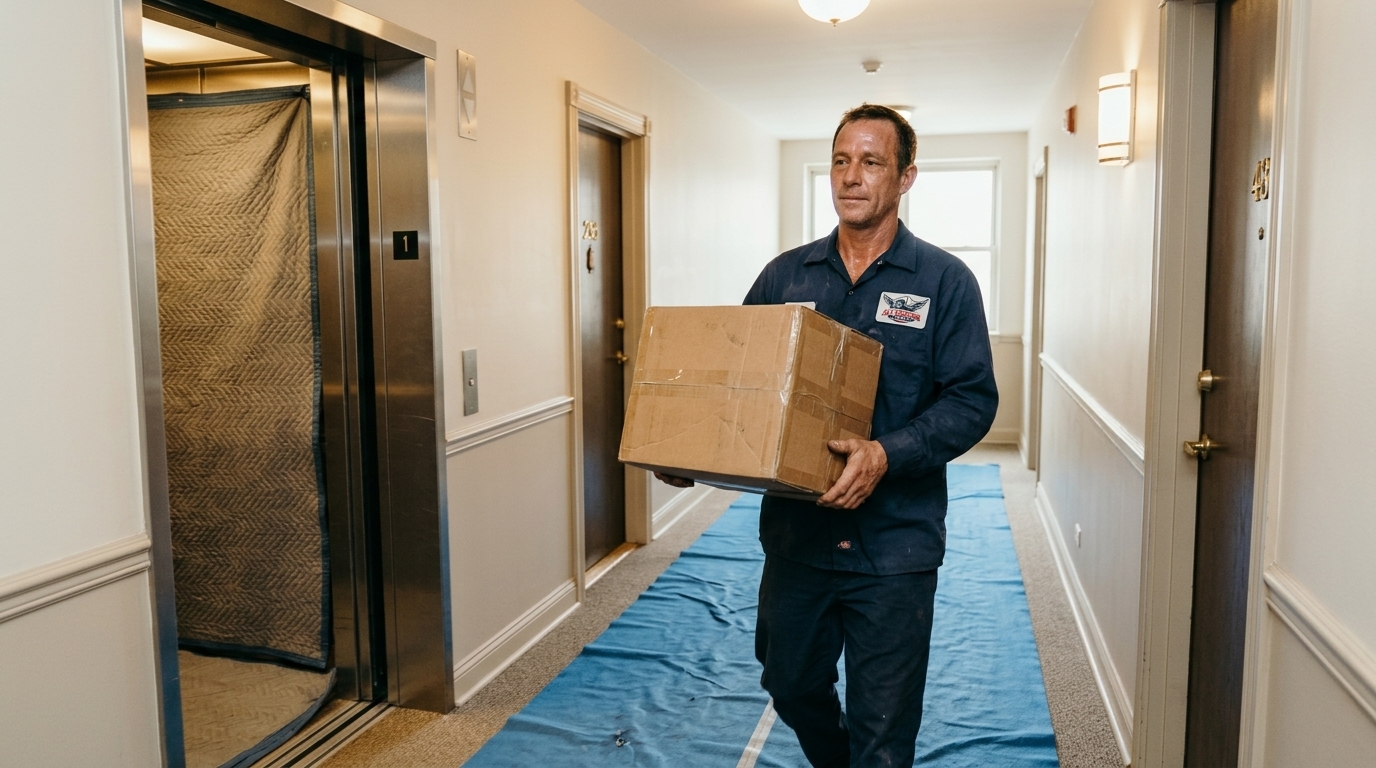
Same Building Moves in Chicago: Move Between Units Easily
Same Building Moves in Chicago: How to Plan a Move Between Units
Moving down the hall sounds like the easiest job in the world. Then moving day arrives, the one elevator is booked, your sofa will not clear the corner, and your helpful friends have vanished by noon. A same building move skips the truck, but it does not skip the planning.
Most guides treat this like a regular apartment move. It is not. Your real challenges are elevator slots, approval from management, and a carry distance that is short but full of tight turns. Here is how to handle each one, the way local Chicago crews do.
Start With the Building, Not the Boxes
Before you pack anything, talk to your property manager. Many Chicago buildings have their own rules for internal moves, and a transfer can affect your lease, your deposit, and your move out inspection. Luxury Living Chicago notes that a landlord may even let you start carrying items over early, depending on the building.
Ask these questions first:
Do you need a certificate of insurance from your movers?
Can you reserve the freight elevator, and for how many hours?
Are there time windows for moves, such as weekdays only?
Is there a fee or deposit for using the elevator?
Elevator Slots Decide Everything
Chicago high rises often limit moves to set windows, and your slot may be only two or three hours. Book it early, and ask for a time when other residents are at work. A split crew works well here: one team packs while another carries, so the elevator is never sitting idle.
Do You Really Need a Truck?
Usually, no. HireAHelper explains that labor only crews commonly handle same building moves, and two movers can manage most apartments, with more help for larger homes. A cart, floor protection, and a well planned route replace the truck. You save on truck fees, and the move often wraps up much sooner than a standard one.
A Simple Plan for Moving Day
1. Pack in Zones
Box one room at a time and label by destination room in the new unit. Keep daily items in a separate bag so you can sleep in your new space that same night.
2. Measure the Route
Walk the path from door to door. Note narrow hallways, stair landings, and door widths. Measure big pieces like sofas, mattresses, and dressers so nothing gets stuck mid hallway.
3. Protect Shared Spaces
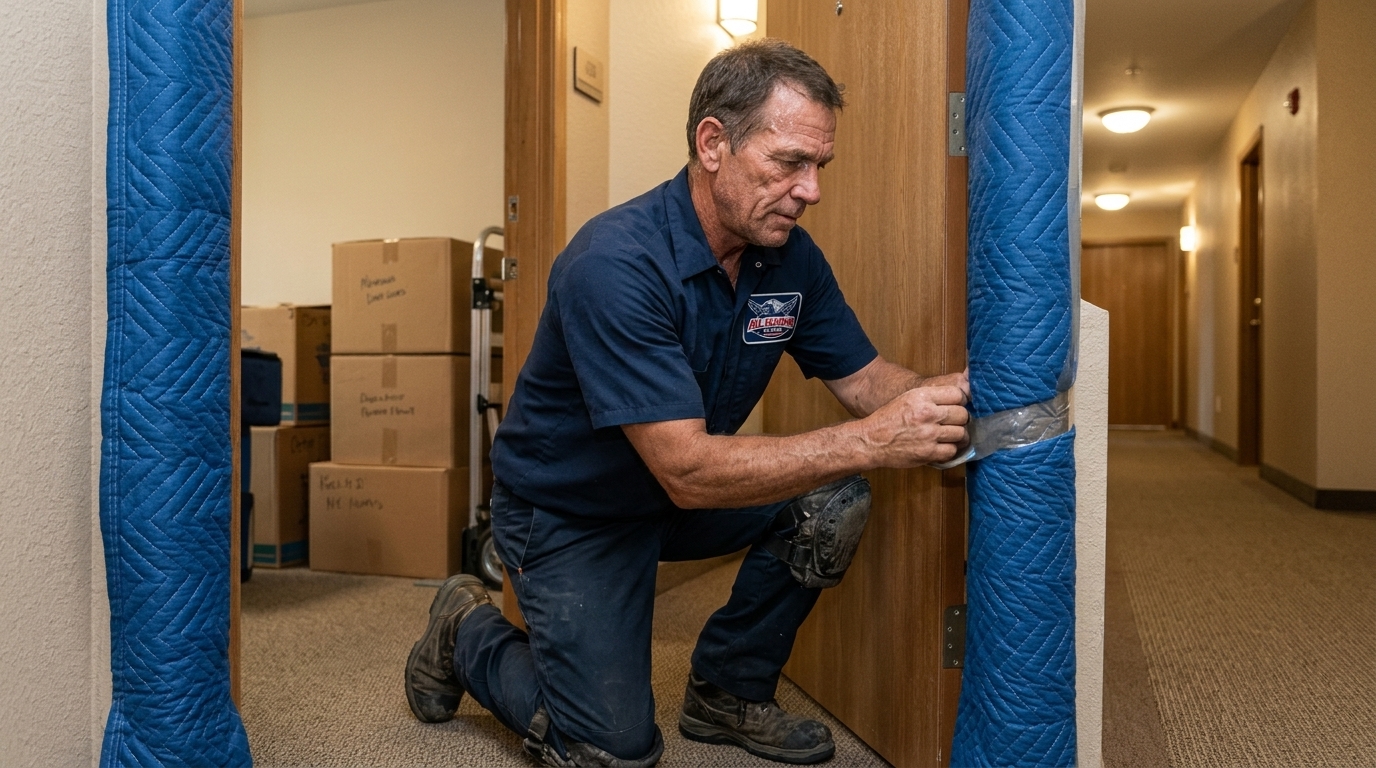
Your neighbors live along that route. Ask your movers to pad elevator walls, lay runners in hallways, and wrap door frames. Damage to common areas can come out of your deposit.
4. Sequence the Load
Carry large furniture first while the new unit is empty, then boxes, then fragile items. Place everything in its final room immediately to avoid a second round of lifting.

The Hidden Costs Other Guides Skip
Short distance does not mean zero surprises. Lease overlap can mean paying two rents for a few days, so ask your landlord about a grace period. Utilities need attention too, since your unit number changes. Stomo Storage suggests calling electric and internet providers at least two weeks ahead. Update your renters insurance as well.
Fuel and Logistics: Why Short Moves Make Sense Right Now
Fuel costs are pressuring Chicago movers. ABC7 Chicago reported that area gas prices climbed above five dollars a gallon in September, with diesel averaging nearly six dollars and fifty cents. CBS Chicago also reported that a power outage at the Joliet refinery, which supplies about ten percent of regional fuel, worsened the squeeze. A same building move needs no truck, so it sidesteps most of that cost. It also keeps you off icy sidewalks and loading zones as winter arrives.
When to Hire Professionals
A studio can be a weekend DIY job. Anything larger deserves help. Professionals bring padding, dollies, and insurance, which many buildings ask to see before approving a move. All Seasons Movers sends crews who know Chicago elevators, tight hallways, and building rules. You can also read about our apartment movers in Chicago for broader moving help.

Best Timing for a Chicago Unit Swap
Midweek mornings are usually easiest, since fewer neighbors are using the elevator. Avoid the last weekend of the month, when leases turn over and every building is crowded. Start early in the day, because Chicago winter daylight fades fast.
Mistakes to Avoid
The biggest error is skipping the walk through. Many people only discover a tight turn once a mattress is stuck in it. Another is forgetting to book the elevator for the cleanup window, which delays your final inspection. Finally, people overpack boxes because the trip is short. Heavy boxes still slow crews and risk injury, so keep them manageable.
A Quick Countdown Timeline
Here is a simple schedule to follow:
Four weeks out: get written approval and book the elevator.
Two weeks out: call utilities, confirm your movers, and order supplies.
One week out: pack by zone and measure your route again.
Moving day: protect shared spaces, carry furniture first, and do a final walk through of both units.
Final Thoughts: Short Distance, Smart Planning
A move between units in the same building looks small, but it rewards careful planning. Get management approval, lock in the elevator, protect shared spaces, and let experienced hands do the heavy lifting. Do that, and you will be sleeping in your new unit before the day is over. If you want a crew that treats your hallway like it is theirs, we are ready to help. Questions are always welcome, and our team answers them before you commit to anything.
Book Your Chicago Move Today
Call All Seasons Movers at (872) 465 8685 for a quote, or visit our local movers Chicago page to plan your move between units. Tell us your building, your elevator rules, and your preferred date, and our crew will build a plan that fits your schedule and protects your hallways, floors, and furniture from the first box to the last.