













Residential Movers Chicago IL: A Home by Home Moving Guide
Residential Movers Chicago IL: A Home by Home Guide to Moving Your Whole Life Smoothly
Your home is not a generic address. A studio in River North, a bungalow in Portage Park, and a four bedroom house in Oak Park each demand a different moving plan. Yet most advice for residential movers Chicago IL treats every move the same. Here is a practical blueprint matched to the place you actually live.

Start Here: What Residential Movers Actually Handle
Residential moving covers more than carrying boxes. A full service crew typically offers these five things:
Loading and unloading with padding and straps
Furniture disassembly and reassembly
Packing and unpacking help
Protection for floors, railings, and doorframes
Transport and placement in the correct rooms
The Chicago Home Type Playbook
Studio or One Bedroom in a High Rise
The challenge is logistics, not volume. Book the freight elevator early, confirm your move in window, and ask your building for insurance requirements. A small crew often finishes fast when everything is ready.
Vintage Walkup or Greystone
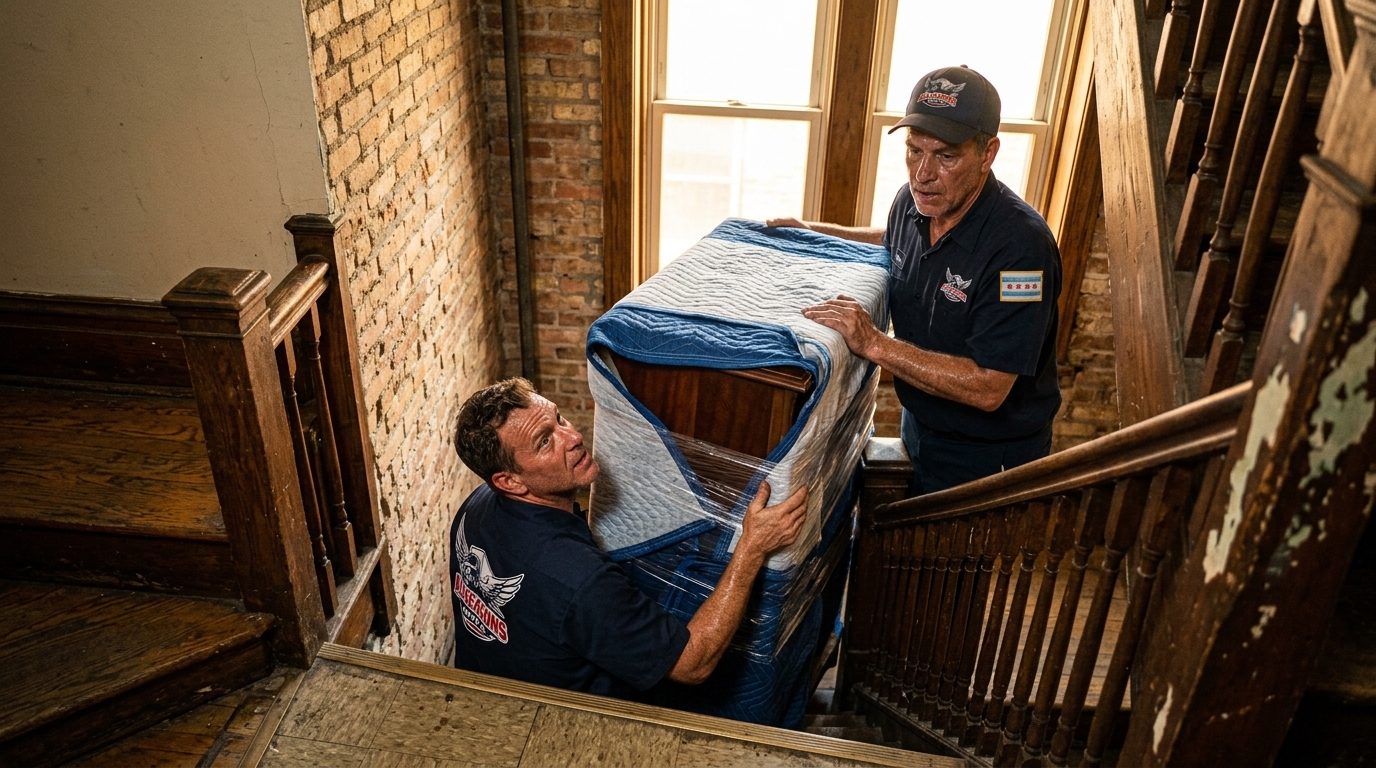
Old buildings mean tight stairwells and sharp turns. Measure your largest furniture and compare it to the narrowest doorway. Sectional sofas may need to be taken apart, and good residential movers plan for that before arriving.
Chicago Bungalow or Two Flat
Basements and attics hold surprising volume. Do a full walkthrough of both spaces before requesting an estimate, since forgotten storage is a common reason moves run long.
Suburban Family House
Bigger loads call for bigger crews and longer timelines. Plan a two day schedule if you have a garage, yard equipment, or a finished basement. Label boxes by room and color so nothing lands in the wrong bedroom.
A Realistic Moving Day Timeline
Knowing the flow removes surprises. A typical residential move looks like this:
8:00 AM: Crew arrives, reviews the inventory, and walks the space with you.
8:30 AM: Floors and doorways are protected and furniture is wrapped.
9:30 AM: Loading begins, heaviest items first.
Midday: Truck travels to your new address.
Afternoon: Unloading, reassembly, and placement room by room.
Final step: You inspect, sign off, and confirm nothing was left behind.
Special Items That Deserve Special Planning
Tell your movers about these items when you request a quote, not on moving day:
Pianos and heavy safes
Large TVs and framed art
Mattresses and box springs
Plants, which many crews cannot guarantee in cold weather
Documents, jewelry, and medication you should carry yourself
Neighborhood Timing Tips Most Guides Skip
Chicago has quirks that affect your move day. Street cleaning schedules, Cubs home games near Wrigleyville, and summer festivals can block truck access. Check the city calendar, and reserve parking space with a permit when your street requires it. A move that avoids these conflicts saves time and stress.

Pack Smarter: A Room by Room Strategy
Kitchen: Pack last and unpack first. Wrap plates vertically like records.
Bedroom: Keep bedding and a change of clothes in a clearly marked overnight bag.
Living room: Take photos of your electronics wiring before unplugging.
Bathroom: Seal liquids in bags and carry medications personally.
Closets: Leave clothes on hangers and use wardrobe boxes.
Seasonal Strategies for Chicago Residents
Summer
Start early to beat the heat, and keep water on hand for everyone. Expect high demand, so book several weeks ahead.
Winter
Clear and salt your entry, cover floors, and keep the heat set so pipes and belongings stay safe. Fewer movers are booked, which can mean better availability.
Why Choose a Local Residential Mover
Local crews understand Chicago buildings, alley access, and suburban driveways. That familiarity shortens moving day and reduces risk to your furniture and your walls. When you compare residential movers Chicago IL residents consider, look for a team that asks detailed questions before quoting and explains each step clearly, such as All Seasons Movers.
Five Mistakes That Cost Residents Time
Underestimating how much you own. Count closets, garages, and storage lockers.
Packing heavy items in large boxes. Use small boxes for books and tools.
Skipping labels. Unlabeled boxes slow unloading and frustrate everyone.
Forgetting to update your address. Notify banks, employers, and the post office early.
Leaving parking to chance. Confirm truck access at both addresses.
Your Two Week Countdown
14 Days Out
Book your crew, request boxes, and start packing rooms you rarely use. Sort belongings into keep, donate, and sell piles.
7 Days Out
Pack most of your home, defrost the freezer, and confirm elevator and parking details. Set aside essentials for your first night.
Moving Day
Be present, walk the crew through priorities, and keep pets and children in a safe space. A quick final walkthrough of every room and closet prevents forgotten items.
Your Quick Recap
Keep these points in mind as you plan:
Match your plan to your home type.
Share special items early.
Check neighborhood and street conflicts.
Follow a two week countdown.
Choose a local team that explains the process.
Ready to Plan Your Move?
Every home tells a different story, and your move should reflect that. Whether you are leaving a downtown apartment or a family house in the suburbs, the right preparation turns a stressful weekend into a smooth transition. If you want a plan tailored to your space, contact our team and describe your home, your timeline, and any special items.
Moving is more than transporting furniture. It is the start of a new chapter, and the people handling your belongings should treat it that way. Ask questions, share details, and expect clear answers. A good crew will listen, plan carefully, and protect every room from the first box to the final walkthrough. When your new place finally feels like home, you will be glad you prepared. Take the first step today, and give your next chapter the calm, organized beginning it deserves. Your future self will surely thank you later.