








How to Protect Floors, Walls and Stairwells During a Move in Chicago
How to Protect Floors, Walls and Stairwells During a Move in Chicago
A scratch on hardwood takes a second to make and a lot of money to fix. In Chicago, where so many of us move through narrow greystone stairwells, vintage walk ups and shared high rise hallways, the damage is rarely limited to your own front door. Your landlord, your neighbors and your building manager all have a stake in how clean your move goes. The good news is that most damage is predictable, which means it is preventable. Here is how the crew at All Seasons Movers protects homes on every job, and what you can do to make it easier.
Where Damage Really Happens on Move Day
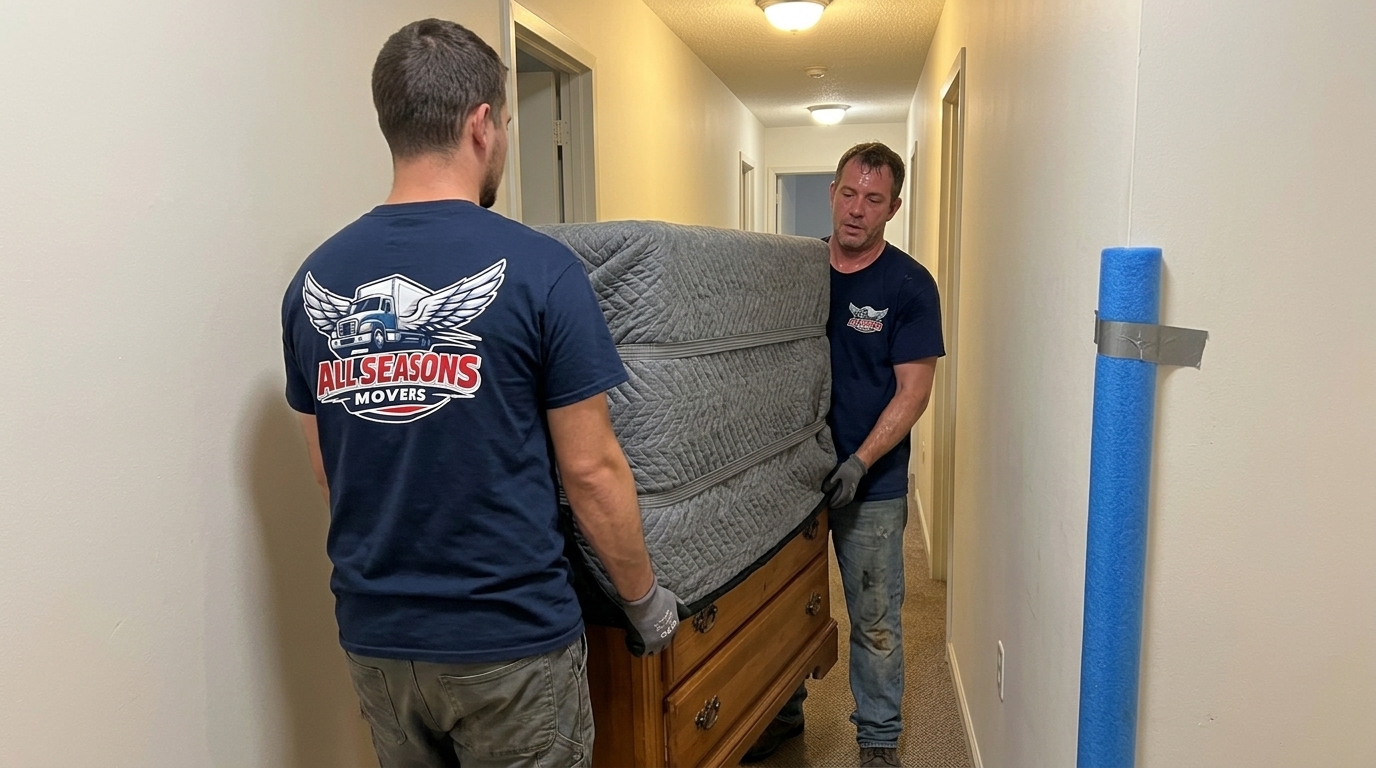
Most guides repeat the same advice, which is to cover the floors and wrap the furniture. Fewer explain the actual pressure points. Heavy items slide, corners swing wide on turns, and doors get squeezed past furniture that is a half inch too large. Walls take the hit at hallway turns. Floors suffer where dollies roll and boots grind in grit. Stairs suffer because everything on them is moving at an angle.
Protecting Hardwood, Tile and Carpet
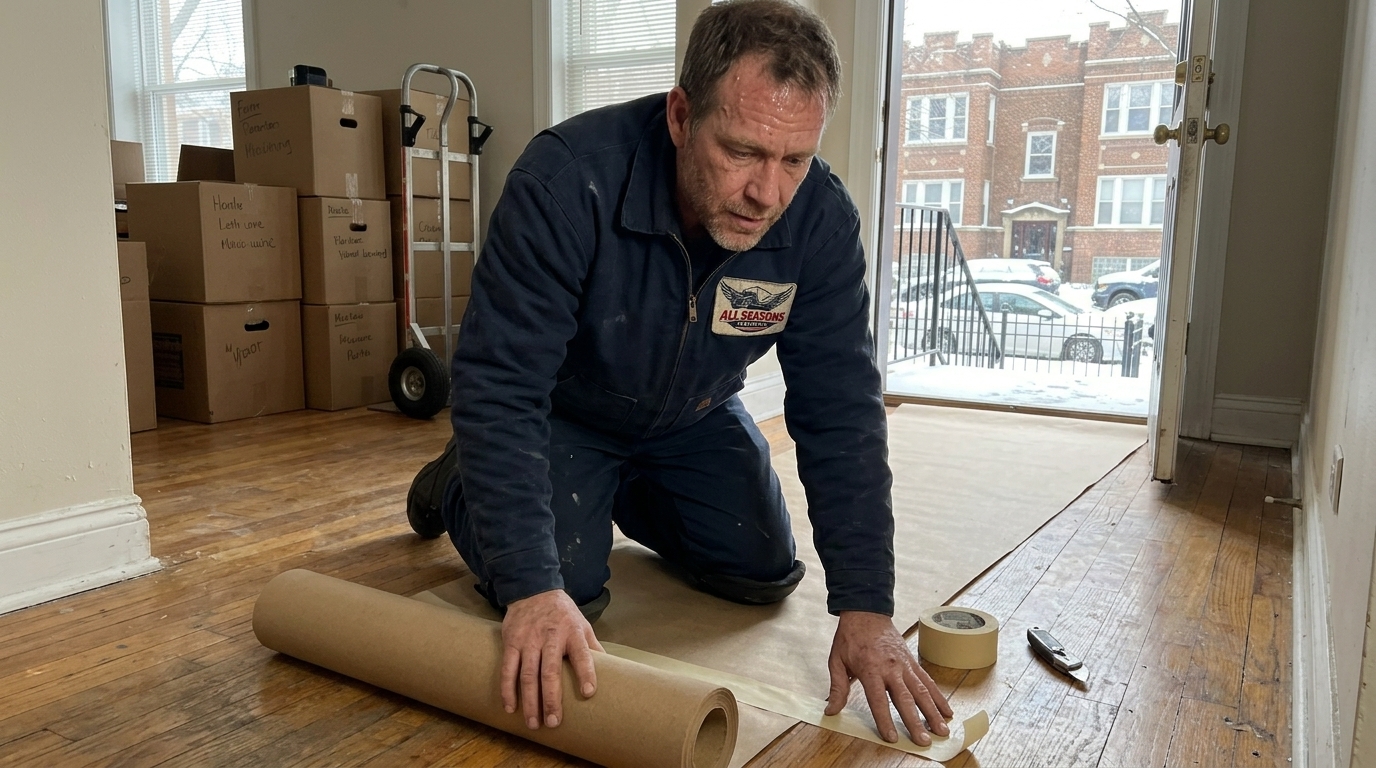
Begin by sweeping. Grit is the real enemy because it turns every footstep into sandpaper. Then choose a covering that matches the surface:
Hardwood: Rosin paper or heavy cardboard taped to itself, never to the wood, with furniture sliders under heavy legs.
Carpet: Clear carpet film, which Updater calls one of the best bets for flooring.
Tile and entryways: Runners or thick mats, plus a rule that nothing gets dragged, only lifted or rolled.
Chicago adds a twist that most national articles skip. From November through March, salt and slush ride in on boots and dolly wheels. Lay runners from the curb to the first room, and swap them out when they get soaked, because wet cardboard tears and slides.
Walls, Corners and Door Frames
Corners cause more wall damage than flat surfaces ever do. Foam corner guards and door jamb protectors, which Units Storage lists among its essentials, create a soft barrier at the exact points furniture touches. Wrap sofas, dressers and tables in moving blankets before they leave the room, not after they hit the hallway. If a piece barely fits, take it apart. Our guide to furniture disassembly in Chicago explains when that is smarter than forcing it through.
Stairwells, Railings and Shared Hallways
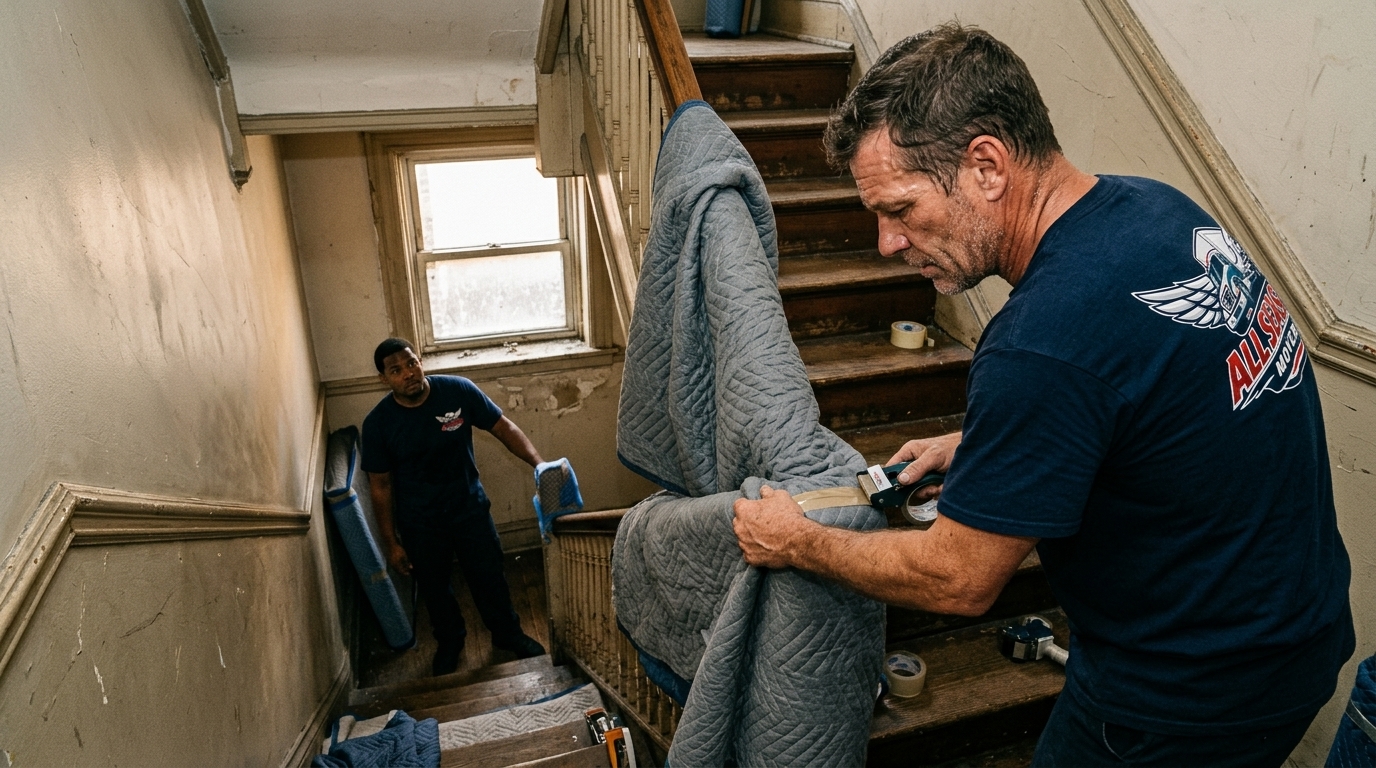
Stairs are where small mistakes become expensive. Wrap bannisters in clean moving blankets and tape the blanket to itself, an approach Movers.com recommends. Pad the corners at every landing. Use a spotter at each turn so the person carrying never has to guess where the wall is.
Elevators and Lobbies
Padded elevator walls and a covered lobby path stop scuffs before they start. Ask whether your building supplies pads, and if not, bring your own blankets. Keep elevator doors from closing on furniture by assigning one person to hold them, because a sudden door strike can dent corners and frames alike.
What Your Building Should Prepare
Shared spaces come with rules, so call ahead. Before move day, ask your building manager about these items:
A reserved elevator window and padded elevator walls
Proof of insurance, since many Chicago buildings request a certificate before a move
A loading zone or permit for the truck, and a clear path through lobby doors
Then walk the route together before anything moves. Note the tight turns, low fixtures and fragile finishes, and let us know.
Document Everything Before the First Box Moves
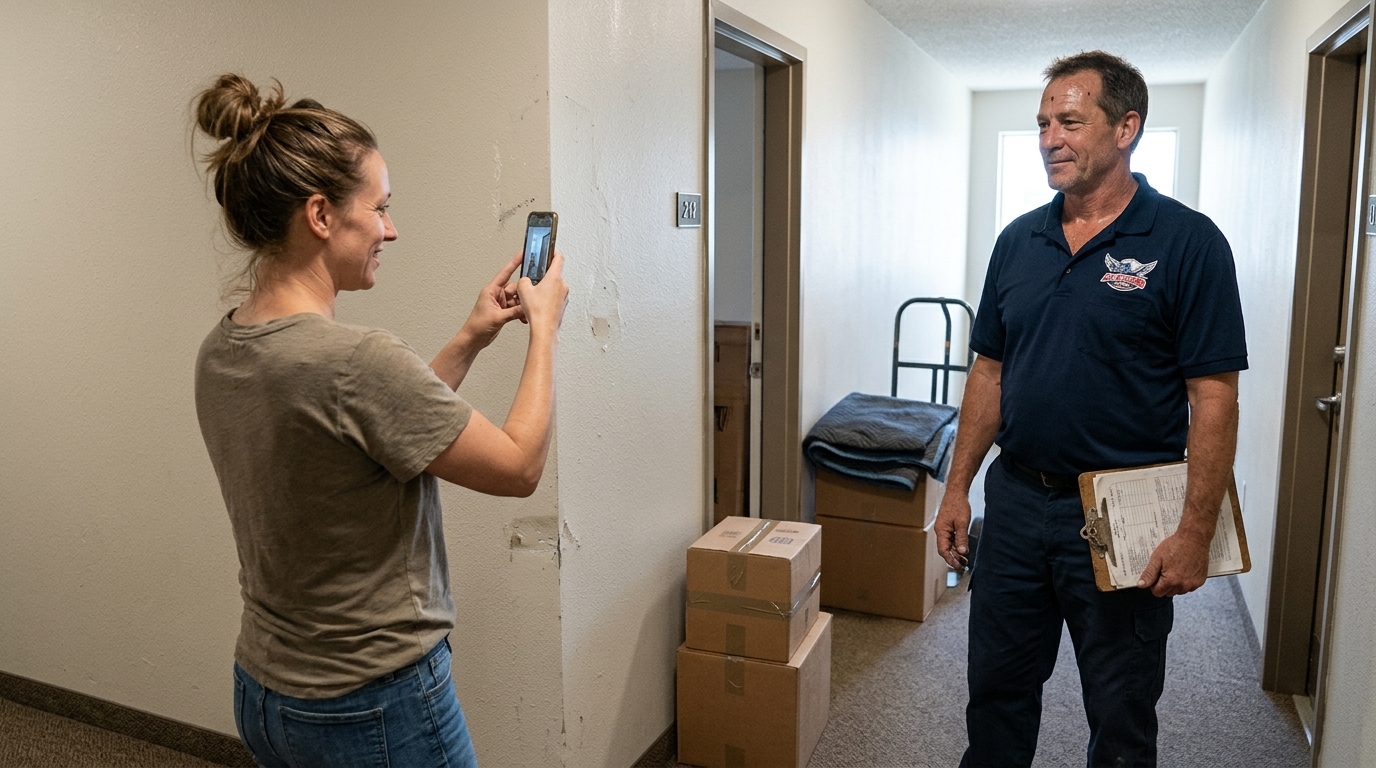
Take dated photos of floors, walls, railings and door frames in both locations. Renters especially benefit, since Zeromax Moving points out that proper documentation matters when it is time to move out. Photos also give everyone a shared reference if a question comes up later.
The Chicago Fuel and Logistics Factor
Protection also has a cost side, and fuel is part of it. Diesel in the Chicago area hit a record $6.30 a gallon on May 15, according to GasBuddy figures reported by the Chicago Sun Times. Nationally, the diesel average fell again the week of November 9, according to Logistics Management, though costs remain high. Meanwhile, Illinois trucking firms keep facing tight margins, and one Chicago fleet filed for Chapter 11, as Inc. reported. For you, that means choosing a mover with a reliable crew, proper equipment and a firm schedule, because delays and rework cost more than ever.
Three Mistakes We See Again and Again
Dragging instead of lifting. Even a quick slide across hardwood leaves lasting marks, and Movers.com advises never sliding anything without dollies or sliders.
Skipping the walk through. A route nobody inspected leads to surprise turns, tight doors and rushed decisions.
Using too few people. Hansen Bros stresses having enough workers, because overloaded carriers lose control of heavy items.
How a Professional Crew Handles It
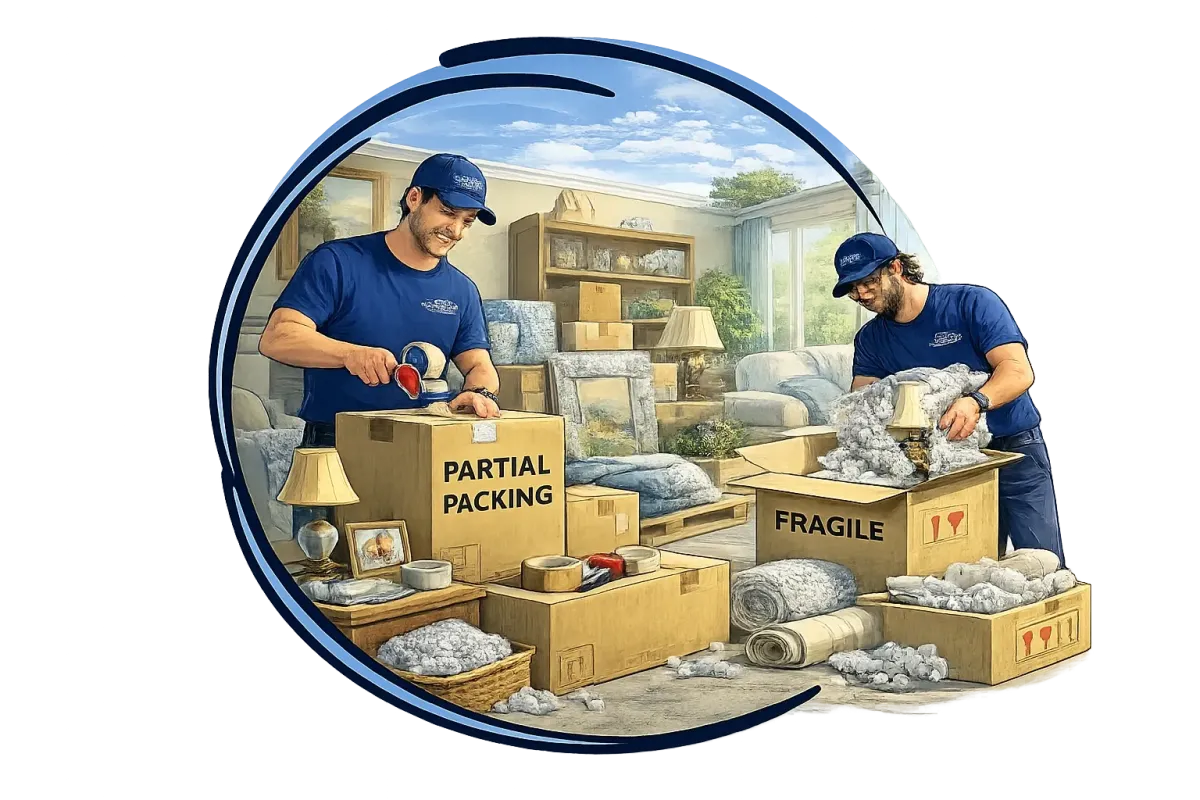
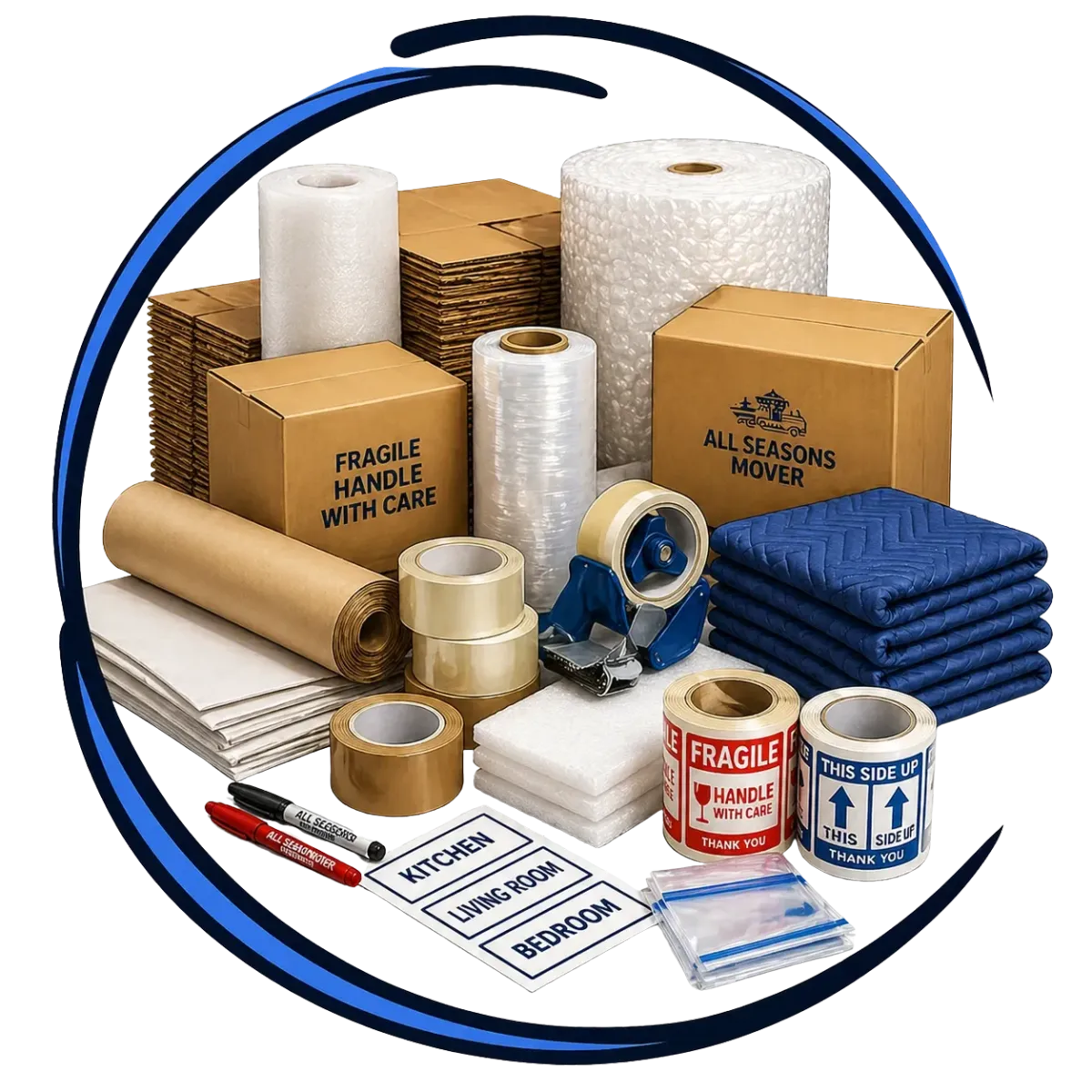
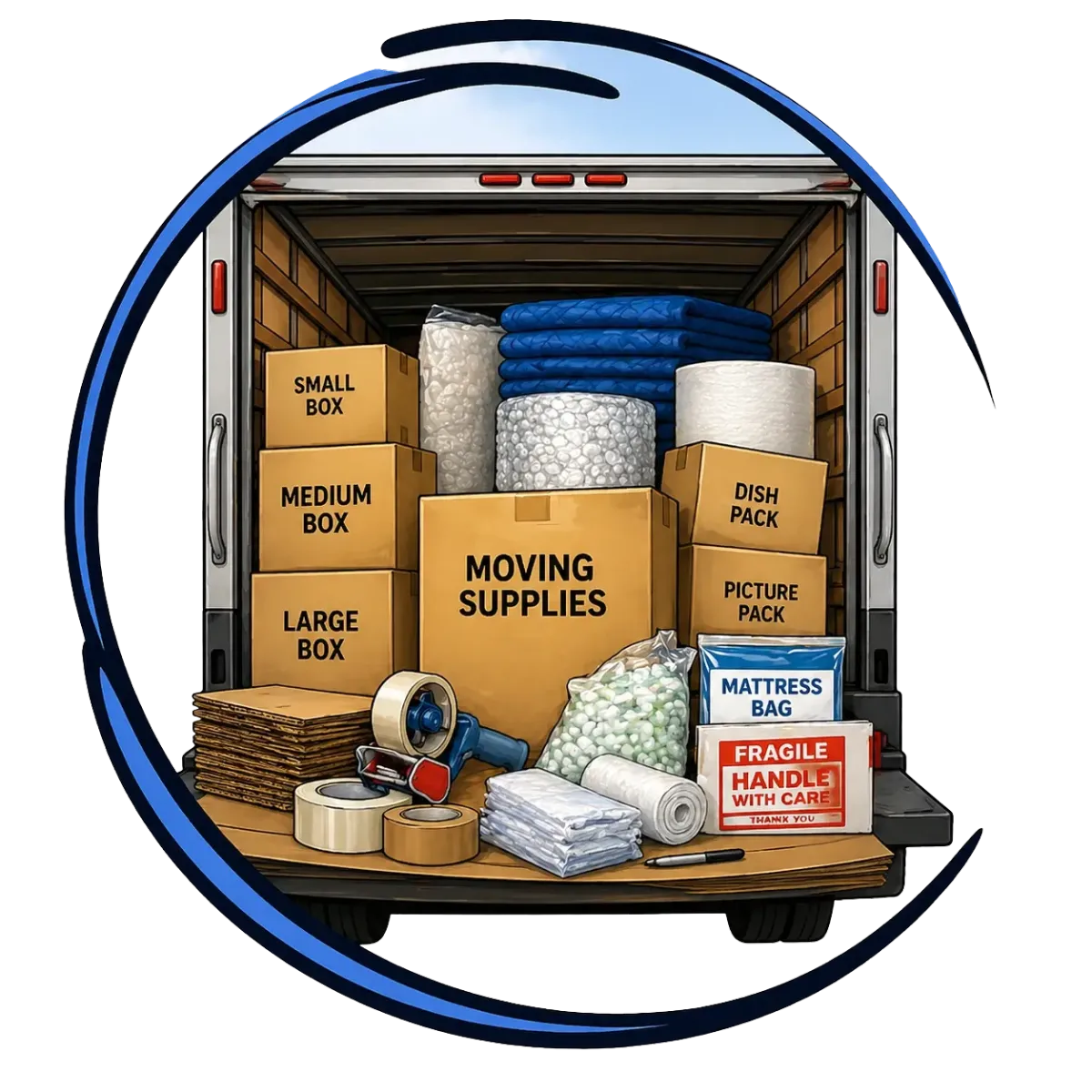
A trained crew treats protection as a step, not an afterthought. Floors and railings get covered first, furniture is padded in the room where it sits, and spotters guide every turn. Our professional moving crew arrives with blankets, sliders, runners and corner guards, so you do not have to buy or borrow anything. That preparation lowers your risk, your stress and the odds of a deposit dispute.
Protect the Home, Protect the Move
Protecting a home during a move comes down to three habits: prepare the surfaces, control the route and document the condition. Do those well and the move feels calmer for everyone, including your neighbors. Whether you live in a Lincoln Park greystone or a Loop high rise, a little planning keeps your floors, walls and stairwells looking exactly the way you left them.
Ready to Move Without the Damage?
Your home deserves careful hands every step. Call All Seasons Movers at (872) 465 8685 today for a clear, no pressure quote, or visit our local movers Chicago page to book your move.