









Prospect Heights Movers: What This Suburb Really Needs
Prospect Heights Movers: What This Northwest Suburb Actually Needs
Prospect Heights doesn't get much attention in moving guides, and honestly, that tracks. It's a small, quiet, mostly residential suburb tucked between several bigger, better known neighbors, Wheeling, Mount Prospect, Arlington Heights, and Buffalo Grove, and most of what's written about movers here either skips the town entirely or treats it as an afterthought inside a generic northwest suburbs page.
That's actually useful information if you're comparing Prospect Heights movers right now, because it means you're not going to find much genuinely local guidance elsewhere. Here's what actually matters for a move into, out of, or within this town.
Why Prospect Heights Doesn't Get Much Individual Attention
Prospect Heights is a relatively small, incorporated suburb, and its borders sit close enough to several other well known Chicago suburbs that a lot of moving companies simply fold it into a broader northwest suburbs service area rather than addressing it directly. That's not necessarily a problem, but it does mean the specific character of this town, its housing stock, its size, its position along the Route 83 and Milwaukee Avenue corridor, rarely gets discussed in any real detail.
For a resident actually planning a move, that gap means it's worth asking direct questions rather than assuming a mover who lists Prospect Heights on a service area map actually understands the town specifically.
What a Typical Prospect Heights Move Looks Like
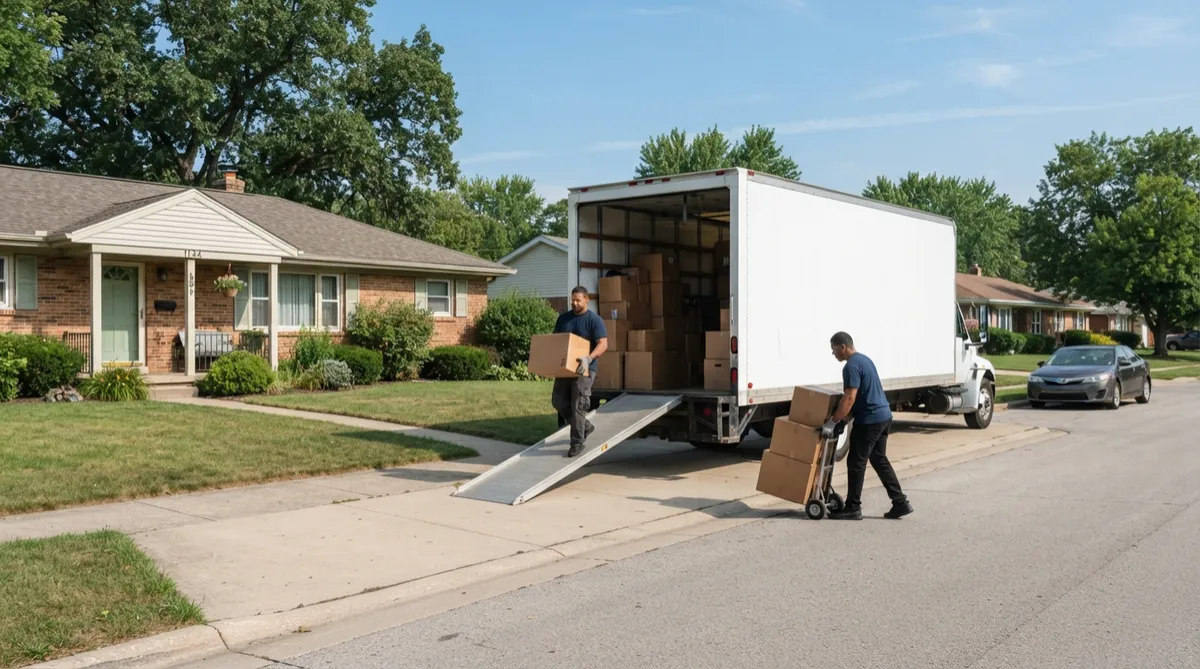
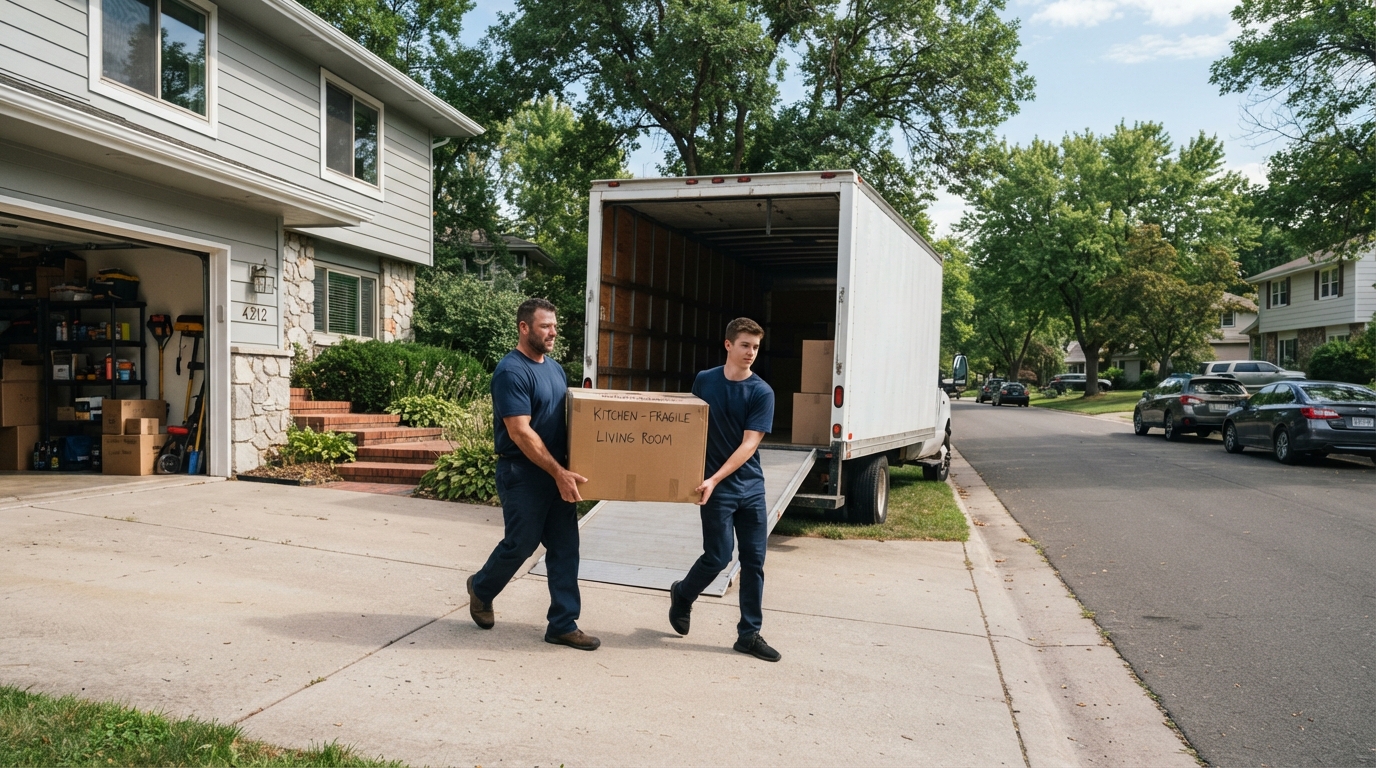
Compared to some of Chicago's older, denser neighborhoods, Prospect Heights is a comparatively straightforward town to move in and out of. Most homes here are single family ranch and split level houses built in the mid twentieth century, typically with a driveway, a garage, and reasonable street access, rather than the tight walkups or high rise elevator logistics you'd find closer to the city.
That means a typical Prospect Heights move is usually more about efficient loading and honest pricing than navigating unusual building access. A mover who treats every suburban job the same, quick driveway pickup, straightforward loading, reasonable timeline, generally fits the bill here without much complication.
Moving Across Suburb Lines: Prospect Heights, Wheeling, and Beyond
One genuinely practical thing worth knowing about Prospect Heights is how closely its borders sit against several neighboring towns. It's common for a move to technically cross from Prospect Heights into Wheeling, Mount Prospect, Arlington Heights, or Buffalo Grove without feeling like a long distance relocation at all, sometimes just a few blocks in either direction.
This matters less for pricing, since these are all still local moves, but it's worth mentioning to your mover if your new address sits right on a border, since it occasionally affects which permits or parking rules apply, particularly if you're moving into a shared driveway or a denser pocket near one of these boundary areas.
What to Look for in Prospect Heights Movers
Since local specific information is limited, use this checklist directly:
Proper licensing and insurance, verifiable free at FMCSA.gov for any move crossing state lines
Familiarity with the northwest suburbs generally, including Wheeling, Mount Prospect, and Arlington Heights, since many moves touch these areas
Straightforward, transparent hourly or flat rate pricing for a typical single family home move
Experience with both local moves within the northwest suburbs and longer moves into or out of Chicago
Willingness to give a clear, written estimate rather than a vague verbal number
Local Landmarks and Logistics
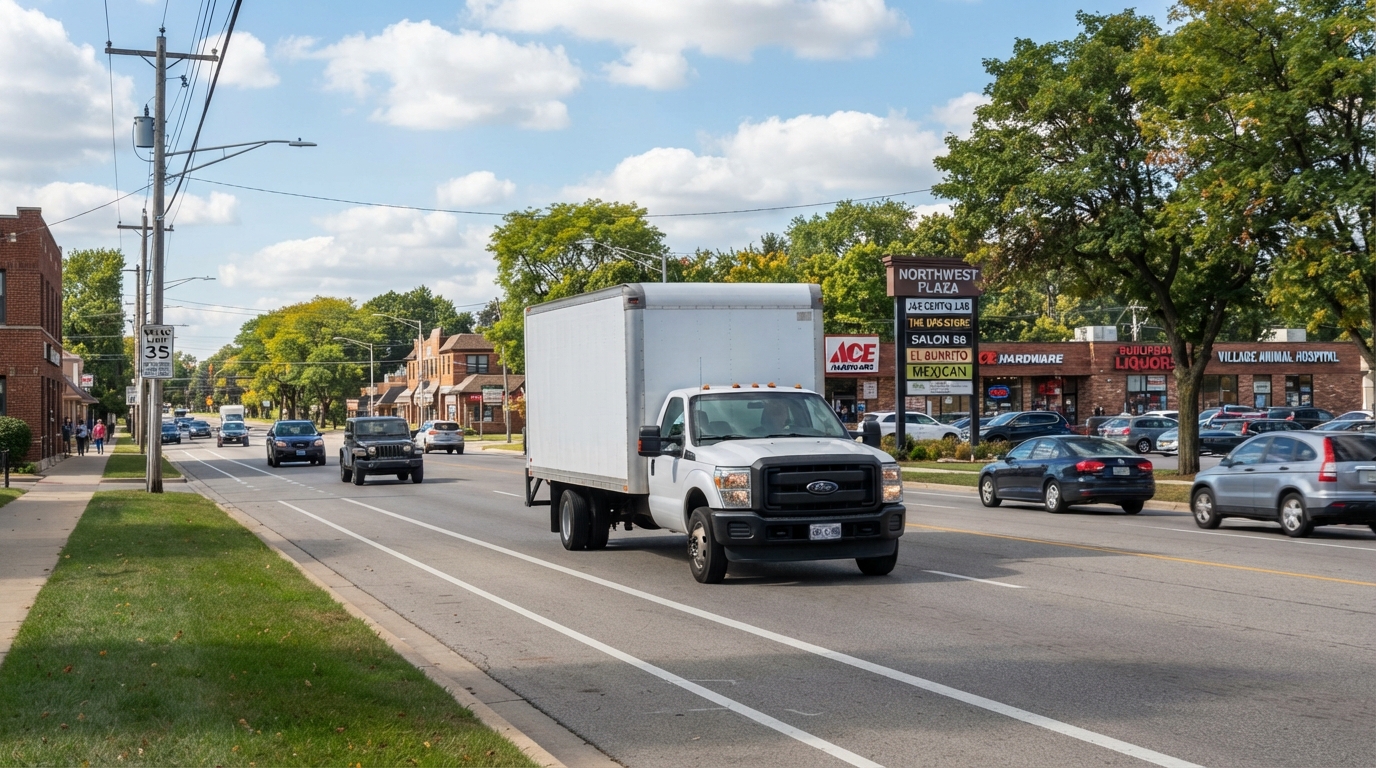
Prospect Heights sits near Chicago Executive Airport, formerly known as Palwaukee Airport, and along the Route 83 and Milwaukee Avenue corridor, which connects easily to several neighboring suburbs. The River Trails Park District serves much of the community, and the town's overall layout is fairly easy to navigate for a moving truck, without the narrow, congested streets found in denser parts of Chicago.
None of this makes Prospect Heights a difficult town to move in, but it does mean a mover who's actually spent time in the area will have a better sense of typical drive times to nearby suburbs and any seasonal traffic patterns worth planning around, particularly near the airport and along the busier stretches of Milwaukee Avenue.
What Sets All Seasons Movers Apart
Plenty of companies will list Prospect Heights on a coverage map without giving it much individual thought. All Seasons Movers treats a Prospect Heights move the way any well planned suburban move deserves, with straightforward scheduling, honest pricing, and familiarity with the surrounding northwest suburbs that a lot of these moves naturally touch.
Upfront pricing with no hidden fees added after the truck is loaded
Experience across the northwest suburbs, useful whether your move stays local or crosses into a neighboring town
Efficient handling of typical suburban homes, from single family houses to smaller condos and townhomes
Clear communication, so you know your timeline and total cost before moving day arrives
Booking Your Move in Prospect Heights
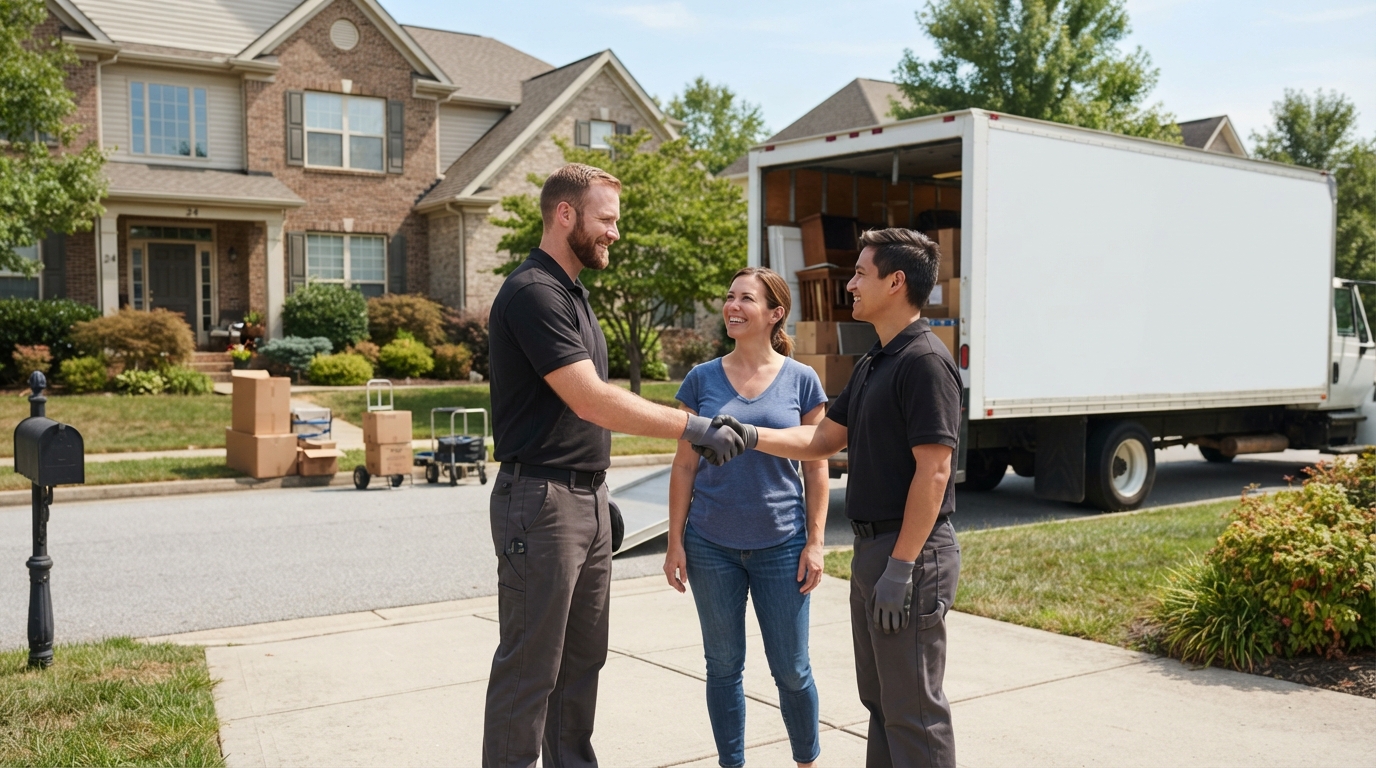
Since most moves in this area are relatively straightforward, two to three weeks of lead time is usually enough to secure your preferred date, though it's worth booking a bit earlier during the busier summer months when demand across the northwest suburbs picks up.
Ready to get a real number for your move? Get a free quote from All Seasons Movers and find out exactly what a properly planned Prospect Heights move looks like.
FAQ: Prospect Heights Movers
Is Prospect Heights, IL the same as the Brooklyn neighborhood with the same name? No. Prospect Heights, Illinois is a small suburb northwest of Chicago near Wheeling and Arlington Heights, completely unrelated to the Brooklyn, New York neighborhood of the same name.
Do movers charge differently for a move that crosses into a neighboring suburb? Not typically, since these are still considered local moves. It's worth mentioning your exact address to your mover if it sits near a border, in case any local parking or permit rules apply.
What kind of homes are most common in Prospect Heights? Mostly single family ranch and split level homes built in the mid twentieth century, along with some townhomes and smaller condo buildings, generally with straightforward driveway access.
How far in advance should I book movers in Prospect Heights? Two to three weeks is usually sufficient for most moves, with additional lead time recommended during summer months when demand across the northwest suburbs increases.
Do Prospect Heights movers also handle moves into Chicago? Yes, many households in this area move between the northwest suburbs and Chicago proper, and an experienced mover should be comfortable handling either direction.