












Packers and Movers Chicago: What Packing Services Include
Packers and Movers Chicago: What Professional Packing Really Includes
Most people searching for packers and movers Chicago are not really asking who can lift a couch. They are asking who can take the packing off their plate without breaking Grandma's china. Packing is the part of a move that eats weekends, strains backs, and causes the most damage. This guide explains what professional packers do, what they refuse to pack, how pricing works, and how to pick the right service level before you book.
Packers and Movers: Same Crew or Different Teams?
Movers load, drive, and unload. Packers prepare your belongings so they survive that trip. Some companies send separate specialists for each job, while others cross train one crew to do both. Ask which one you are getting, because packing and loading require different supplies, different skills, and different time estimates.
Three Packing Service Levels in Chicago
1. Full Packing
The crew packs everything, from kitchen cabinets to garage shelves. Best for busy families, long work weeks, or anyone managing a newborn or recovery.
2. Partial Packing
You pack easy items like books and clothes. Professionals handle mirrors, lamps, dishes, and other awkward pieces. This is the most popular balance of savings and safety.
3. Fragile Only Packing
Pros wrap only artwork, electronics, glassware, and heirlooms while you handle the rest.

What Packers Bring That Plain Boxes Cannot
Professional crews arrive with materials built for the job:
Wardrobe boxes that keep clothes on hangers
Double wall dish barrels with cell dividers for glassware
Custom crates and corner guards for mirrors and art
Mattress covers and furniture blankets
Packing paper, bubble wrap, and strong tape
A crew of three can often pack a two bedroom apartment in an afternoon, a job that might take you an entire week of evenings.
How Packing Services Are Priced
Most Chicago companies bill packing as hourly labor plus materials, though some offer flat room rates. Instead of chasing a headline number, understand what drives the total:
Home size and number of rooms
Amount of fragile or specialty items
Crew size and hours needed
Materials, listed separately
Stairs and long carries at either address
Pro tip: ask for materials as a separate line item so you can compare quotes honestly.
What Packers Usually Will Not Pack
Every reputable company has a list of items it cannot or will not box. Expect these to stay with you:
• Paint, propane, and cleaning chemicals
• Perishable food and open liquids
• Cash, jewelry, and important documents
• Medications and daily essentials
• Plants, which rarely survive truck travel
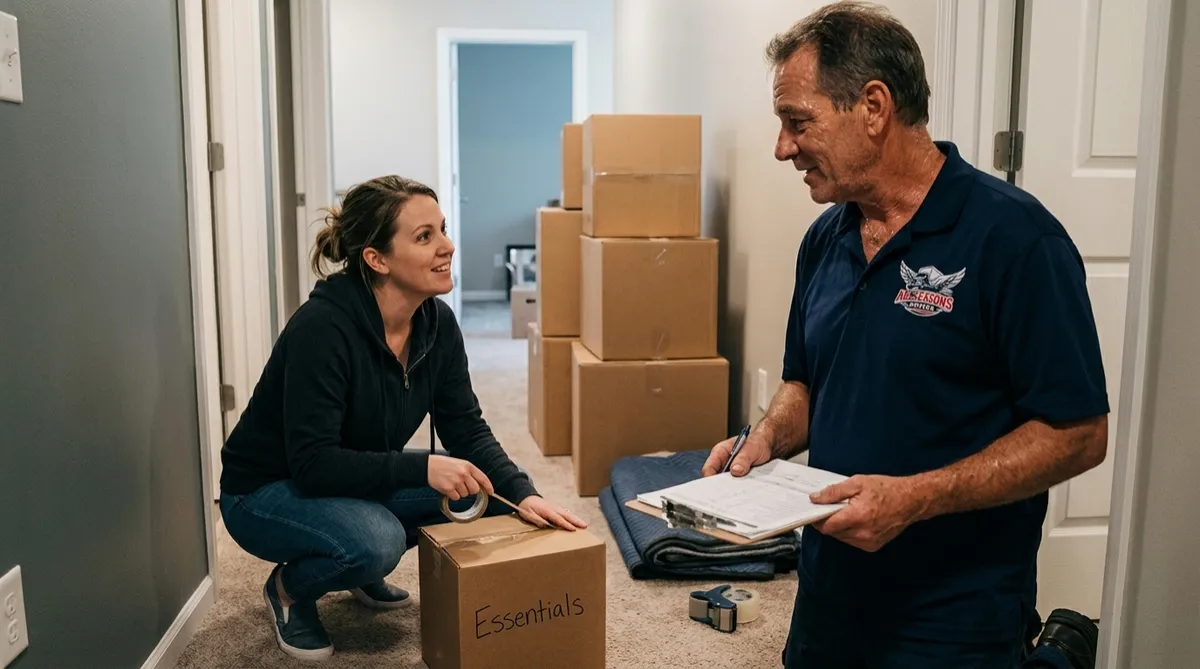
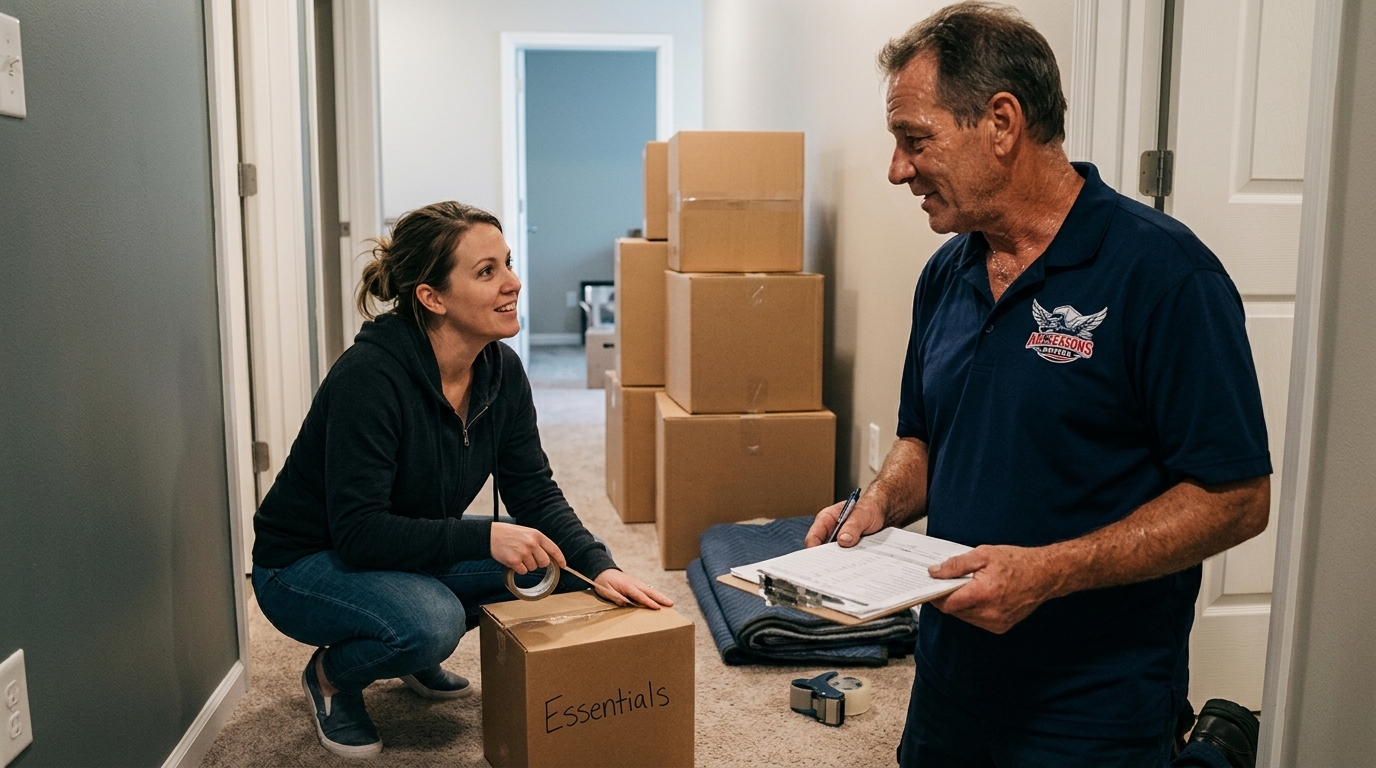
Pack a personal essentials box and carry it yourself.
Chicago Conditions That Change How Packing Works
Chicago adds a few twists most guides ignore:
Winter cold. Electronics should rest at room temperature before you power them on.
Summer humidity. Cardboard weakens in damp basements, so pack early and store boxes off the floor.
Narrow stairwells. Smaller boxes with lighter weights are easier to carry safely down older walkups.
High rise elevators. Finish packing before your reserved elevator window begins.
Pack Yourself or Hire Packers?
Use this quick test:
Hire packers if you have less than two weeks, a large home, or many fragile pieces.
Pack partially if your budget is tight but your schedule is not.
Pack yourself if you have time, a small space, and mostly durable items.
Honest self assessment matters here. Many people underestimate how long kitchens, garages, and closets take, and a rushed packing job is a common cause of broken items.
A Packing Timeline Most Guides Skip
Two Weeks Out
Book your packers, collect supplies for the rooms you will handle, and start with rarely used spaces like closets and storage.
Packing Day
Walk the team through each room, point out fragile pieces, and ask them to number every box and keep an inventory list.
The Night Before
Keep your essentials box, keys, and documents separate. Disconnect appliances and empty the fridge so movers can start immediately.
Why Separate Packing Day Saves Money
Many customers schedule packers one or two days before the move. Everything is sealed, labeled, and staged, so loaders move faster and your hourly moving time drops. Rushing both jobs into one day often leads to crushed boxes and frustrated crews.
How All Seasons Movers Helps
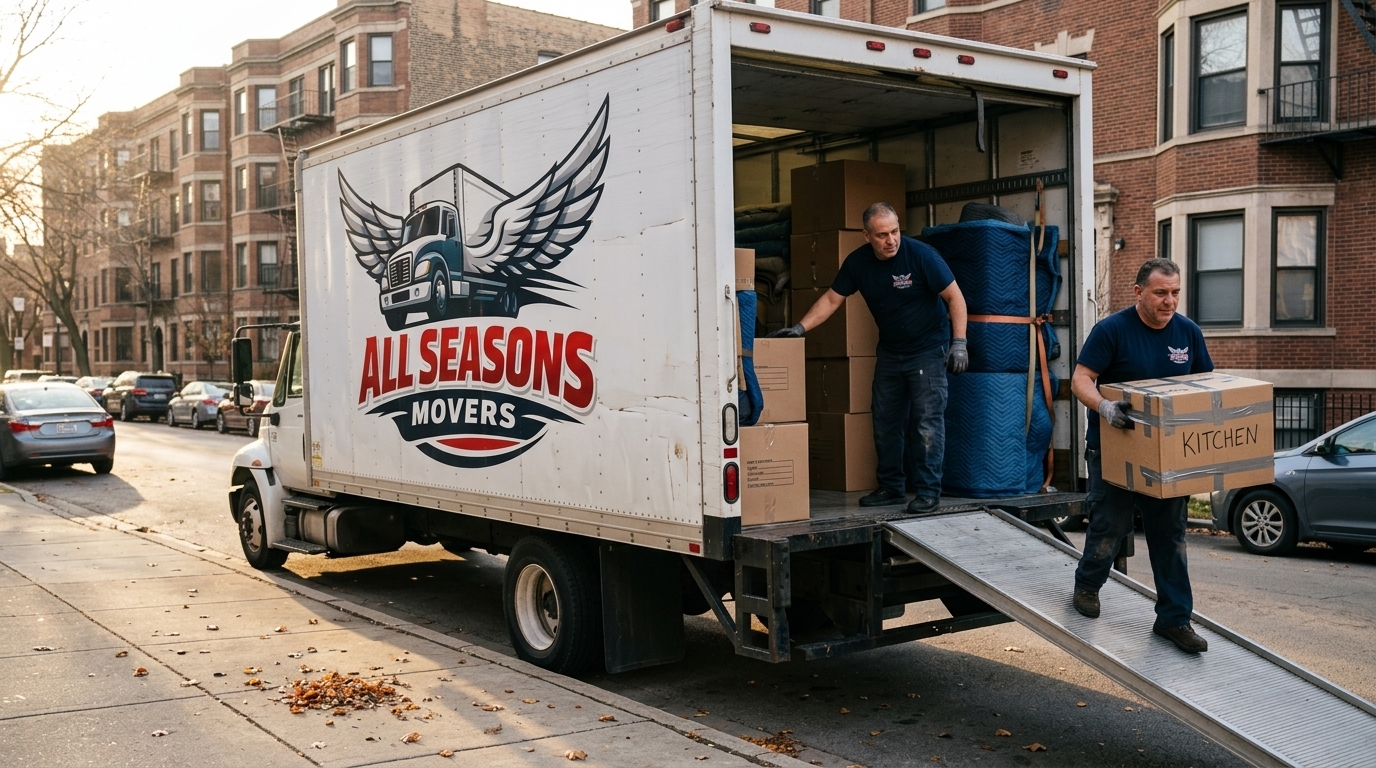
At All Seasons Movers, our crews handle careful packing and moving across Chicago and the suburbs, from high rise condos to family bungalows. Tell us what you own, and you can request a quote with clear pricing before anything is boxed.
Red Flags When Choosing Packers
• Quotes given without asking what you own
• No written list of included materials
• Demands for a large cash deposit
• No proof of insurance
Quick Answers About Packing Services
How long does professional packing take?
A one bedroom apartment often takes a few hours, while a large home may need a full day or more.
Do packers also unpack?
Many do. Unpacking removes debris and sets kitchens up first, which helps you settle faster.
Are packed items covered if damaged?
Ask how coverage treats boxes you packed yourself versus boxes packed by professionals. Many policies treat them differently, so get the answer in writing.
Should I tip packers?
Tipping is optional but appreciated for careful work on a long day.
Final Thoughts
Hiring packers and movers in Chicago works best when you know what you are paying for. Decide your service level, ask what materials are included, confirm what the crew will not pack, and schedule packing ahead of moving day so your hours go toward driving and unloading instead of wrapping and sealing. Chicago adds winter cold, tight stairwells, and elevator windows, so allow extra time. Choose a team that explains each step, puts everything in writing, and treats your belongings with care. When the right people handle the packing, moving day stops feeling like a scramble and starts feeling like a fresh beginning.