








Moving Out of State Movers: What to Know Before You Cross State Lines
Moving Out of State Movers: What to Know Before You Cross State Lines
Moving across town and moving out of state are not the same job, even though they can feel similar on paper. Once your belongings are traveling hundreds of miles instead of a few blocks, the pricing changes, the timeline stretches, and the risks multiply. If you are searching for moving out of state movers, you are probably already sensing that this move needs a different kind of planning than your last one did.
Here is what actually changes with an interstate move, and how to make sure the company you hire is built to handle it.
How an Out of State Move Is Different From a Local One
A local move is usually priced by the hour. An out of state move almost never is. Understanding this shift early prevents a lot of confusion later.
Pricing is based on weight and distance, not hours on site. The heavier your shipment and the farther it travels, the higher the cost.
Delivery happens on a window, not a fixed day. Long distance carriers often serve multiple customers on one route, so your belongings may arrive within a range of days rather than at an exact time.
Federal regulations apply. Interstate movers must be registered with the Federal Motor Carrier Safety Administration and carry a valid US DOT number, which local-only movers are not always required to have.
Storage in transit becomes a real possibility. If your new home is not ready when the truck arrives, your items may need short term storage before final delivery.
Knowing these differences upfront helps you ask sharper questions when you start comparing movers.
Questions to Ask Before You Hire
A company that handles interstate moves well should be able to answer these without hesitation.
What is your US DOT number, and can I verify it independently
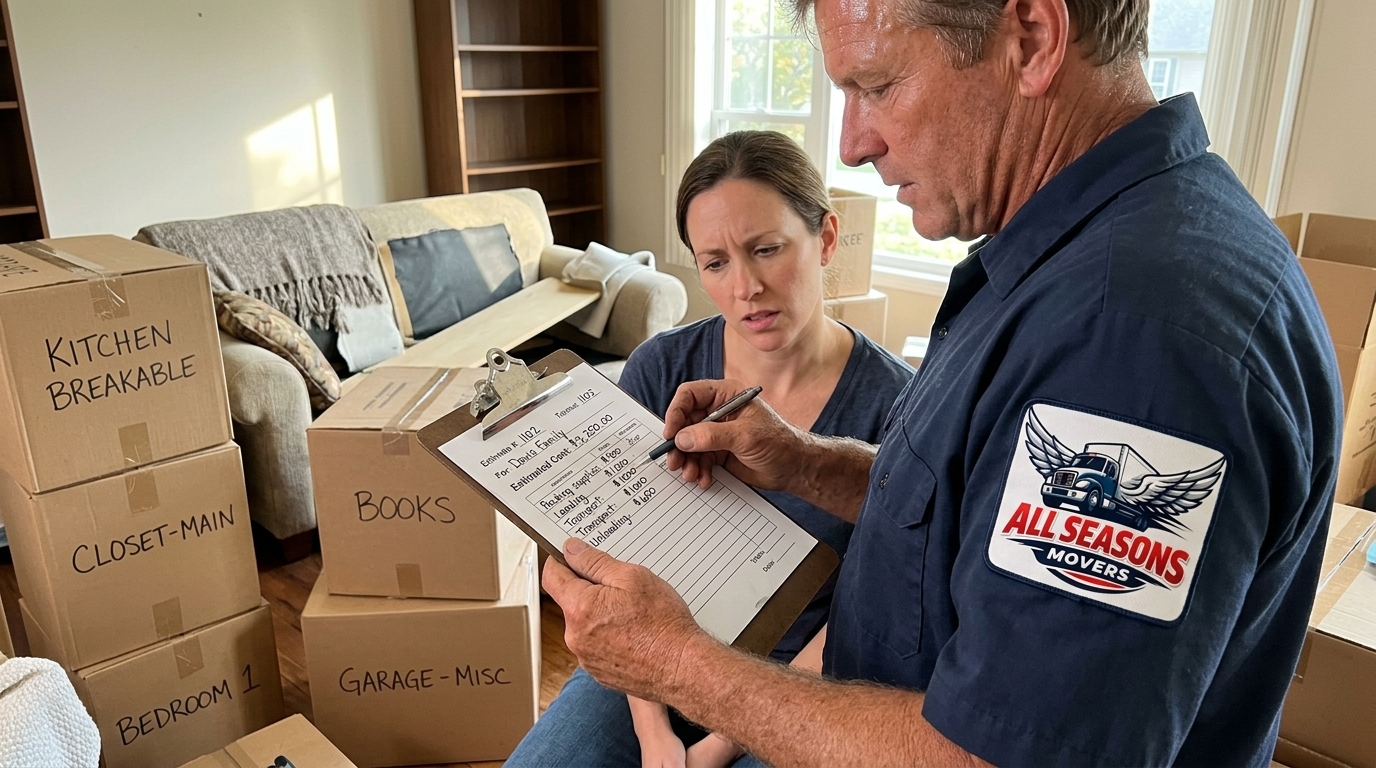
Is this a binding, non binding, or binding not to exceed estimate
Who performs the actual move, employees or a subcontracted crew
What is the estimated delivery window, and what happens if it is missed
What coverage options exist beyond the basic sixty cents per pound minimum
If a company dodges any of these, treat that as your answer.
Building a Timeline That Actually Works
Out of state moves reward people who start early. A rushed interstate move is where most damage, delays, and budget overruns happen.
Eight to twelve weeks out: Get written estimates from at least three moving companies and start decluttering.
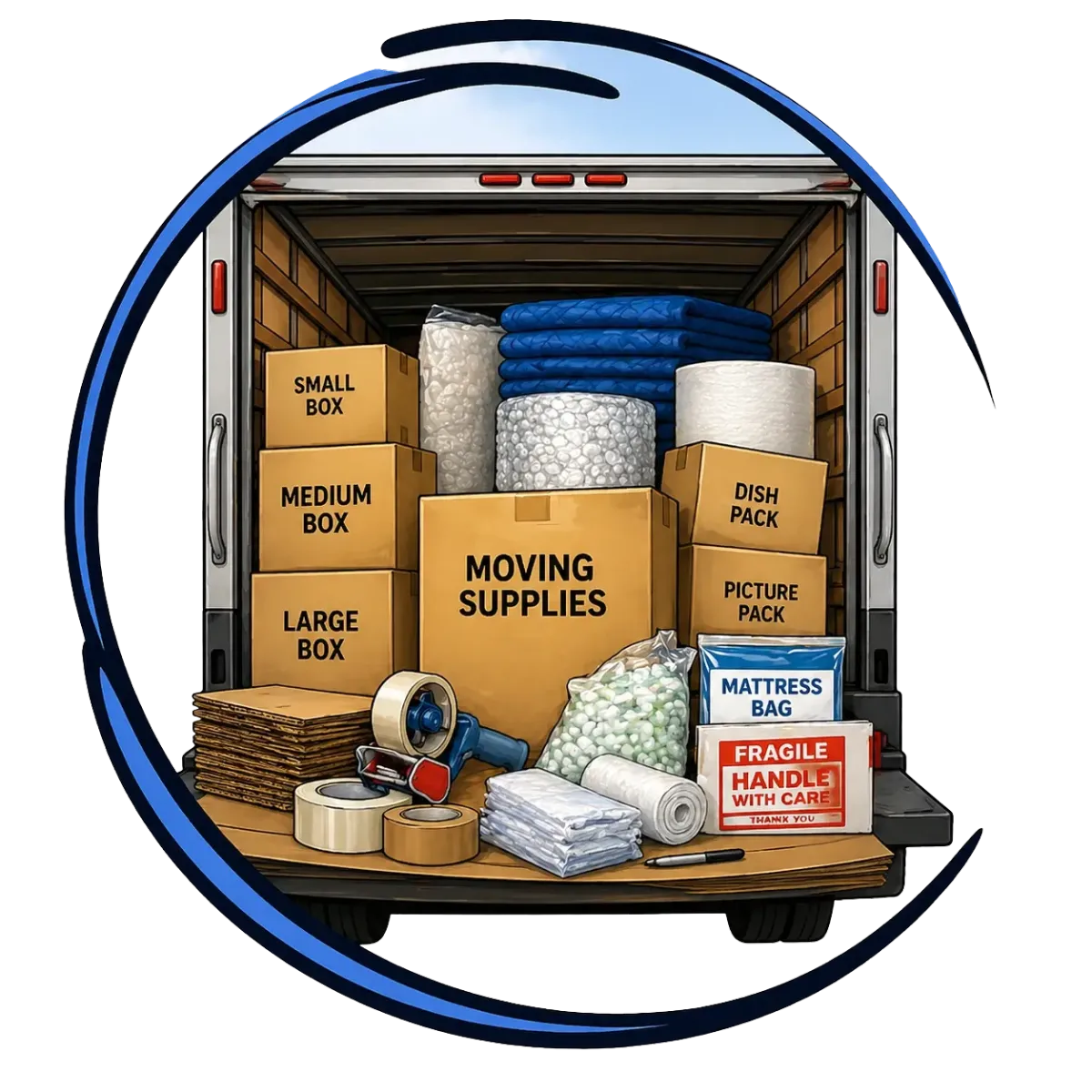
Four to six weeks out: Book your date, confirm your delivery window, and begin using sturdy, uniform sized boxes.
Two weeks out: Finish packing everything except essentials, and photograph valuable or fragile items for your records.
Moving week: Pack a personal essentials bag with medication, documents, chargers, and anything you cannot risk being on the truck for several days.
Reducing Cost Without Cutting Corners
Since long distance pricing is tied to weight, the fastest way to lower your bill is to move less of it.
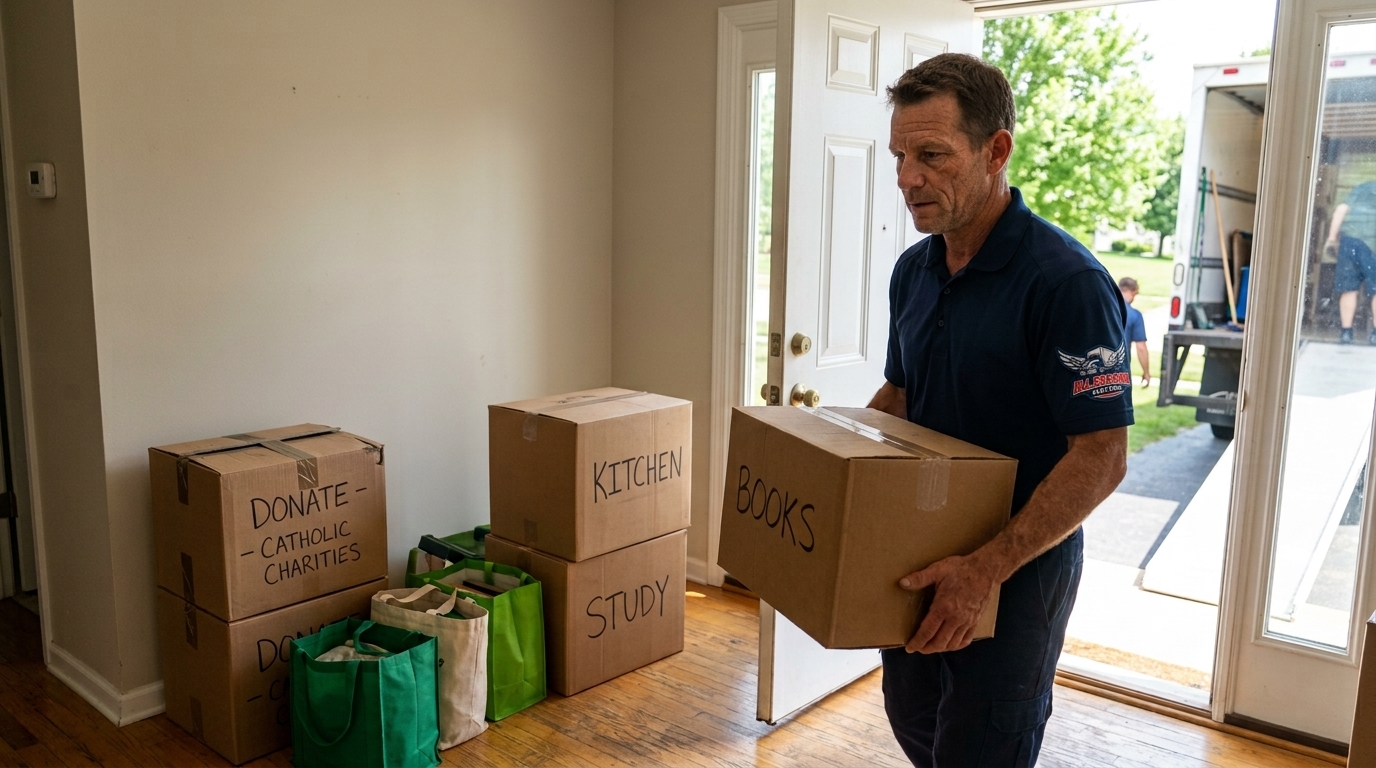
Sell, donate, or discard items you have not used in the past year
Consolidate duplicate kitchen tools, tools, and linens before the movers arrive
Ask whether a partial self pack, partial professional pack option is available to balance cost and convenience
Compare full service movers against moving container and rental truck options if your budget is tight
None of this means sacrificing protection. It simply means paying to move what actually belongs in your next chapter.
Protecting Fragile and High Value Items on a Long Haul
Items spend far more time in transit on an out of state move, which means more handling, more vibration, and more opportunity for damage if packing is rushed.
Use new, sturdy boxes rather than reused ones for anything heavy or fragile
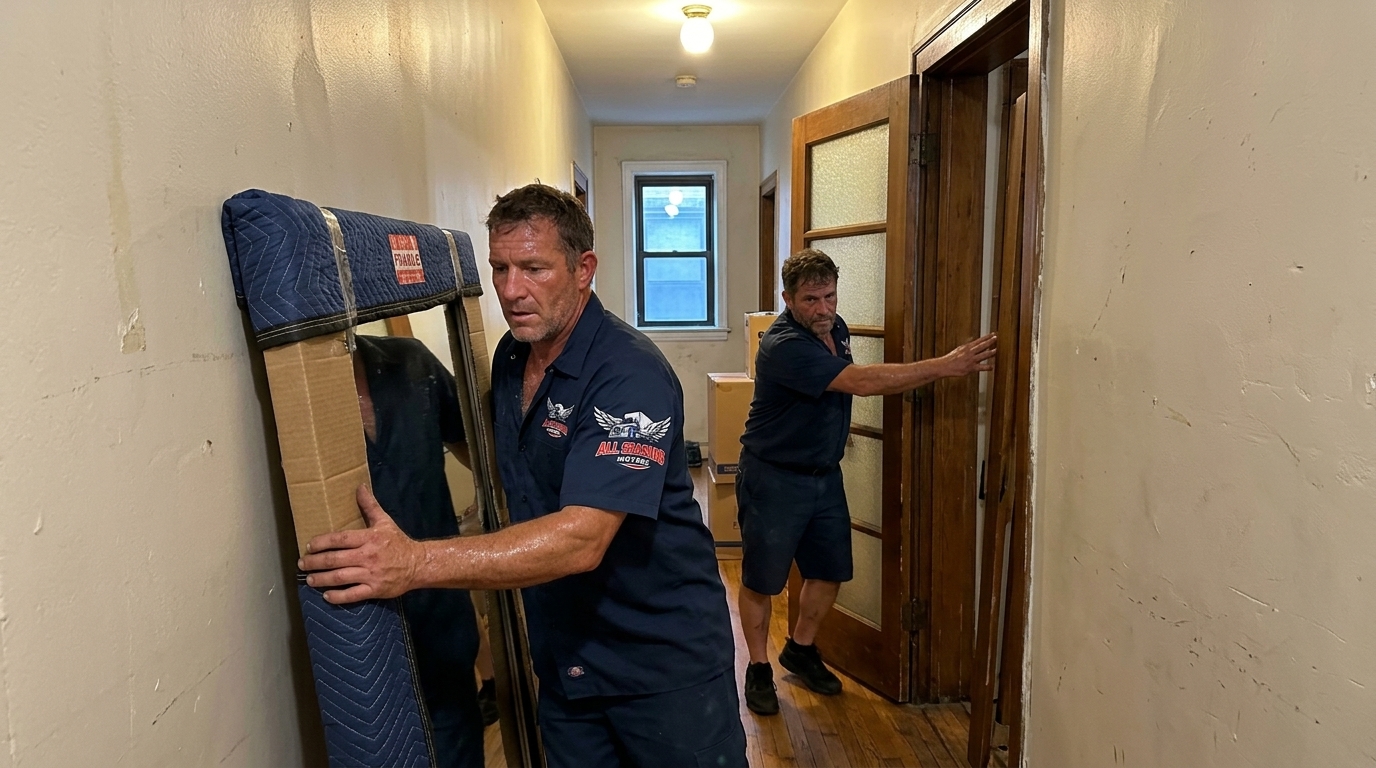
Ask about professional crating for artwork, mirrors, or electronics
Consider additional valuation coverage for high value furniture and heirlooms
Keep an itemized inventory and compare it against the mover's list before signing off at pickup
Why Local Familiarity Still Matters on a Long Distance Move
It is easy to assume that once a move crosses state lines, local knowledge stops mattering. In reality, the loading day, the building access, the parking restrictions, and the walkthrough all still happen locally, and that is exactly where experience shows.
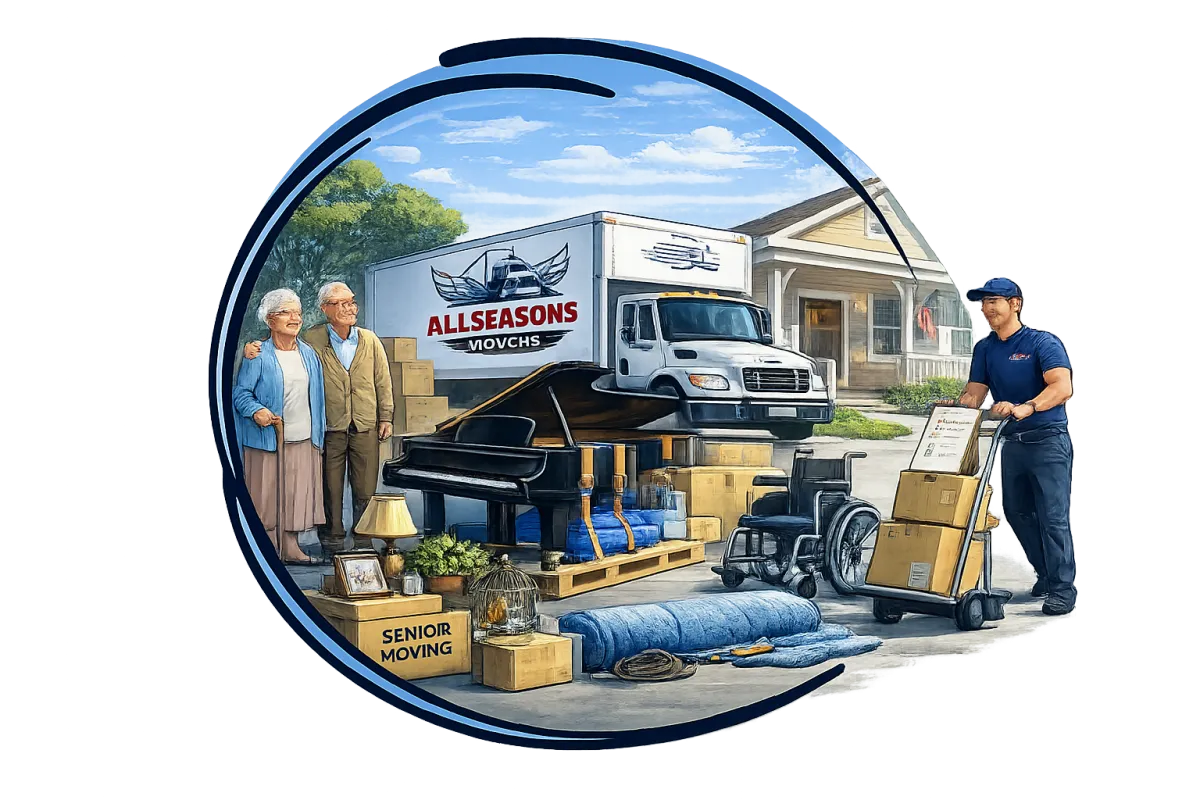
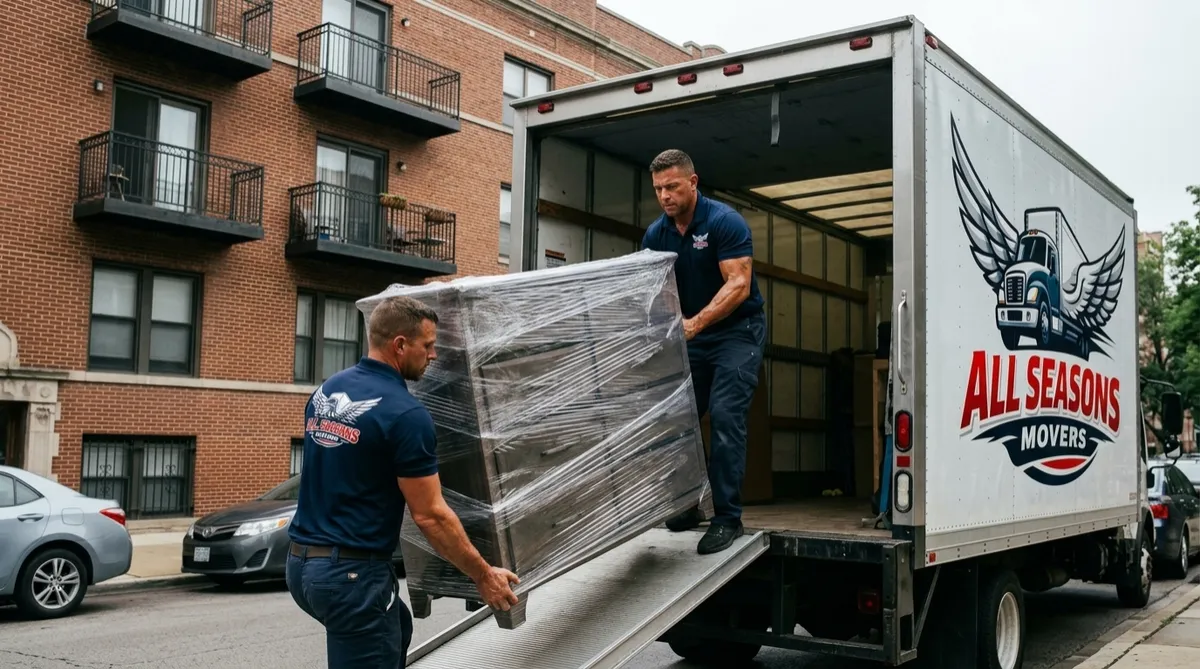
That is the piece All Seasons Movers brings to interstate relocations leaving Chicago and its suburbs. The loading process gets handled by a crew that already understands tight urban entrances, high rise elevator scheduling, and Midwest weather timing, so the part of your move that happens closest to home is in careful, familiar hands before it ever hits the highway.
Final Checklist Before You Book
Confirm the mover's US DOT number and insurance options
Get the estimate type in writing, not just a verbal number
Build in a realistic delivery window rather than expecting an exact date
Declutter before packing to reduce weight based costs
Pack an essentials bag that can get you through several days without your shipment
An out of state move asks more of both you and your moving company. When you understand how pricing, timing, and protection actually work on a long haul, you stop guessing and start planning, and that is what turns a stressful relocation into a smooth one.