



















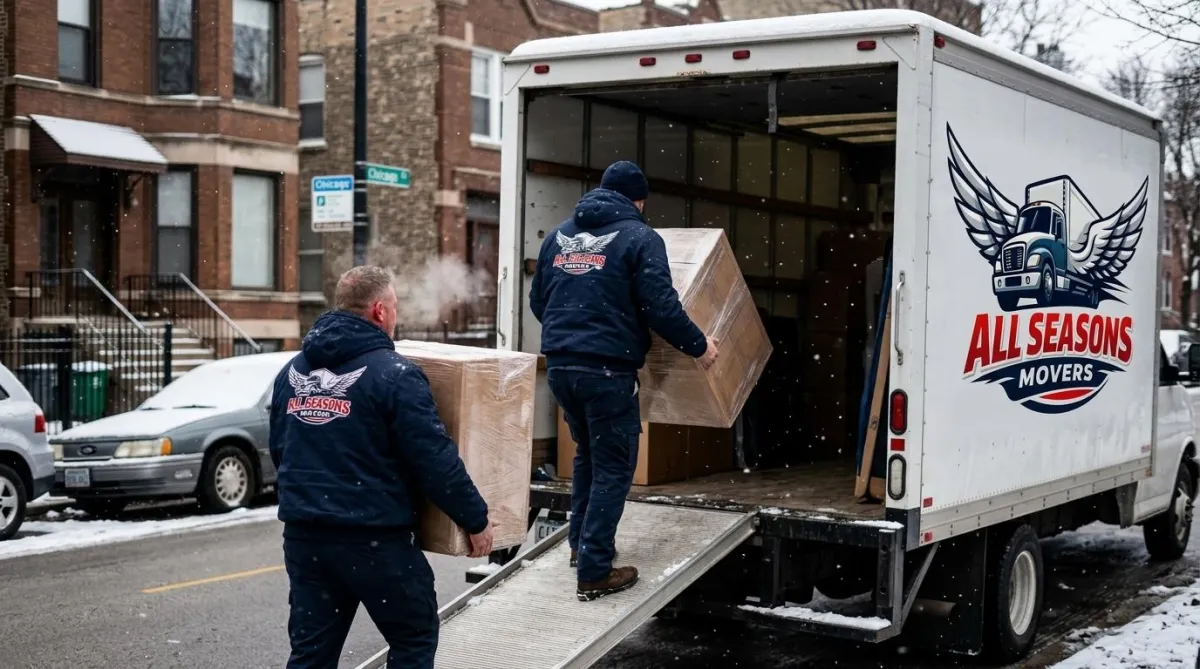
Moving in Cold Weather in Chicago: Local Risks to Know
Moving in Cold Weather in Chicago: The Local Risks National Guides Never Mention
Chicago averages around seven days of sub-zero temperatures every year, putting it in the same company as Denver and Milwaukee, and well above most of the country. That single fact changes what a winter move here actually requires, and it's exactly the kind of detail most national moving guides skip entirely, since they're written for a generic audience layering up against generic cold.
Moving in cold weather in Chicago involves more than wearing a warm jacket. There are city specific rules, real hazards tied to this particular climate, and a few details that catch people off guard every single winter. Here's what actually matters.
Why Chicago Winters Are Genuinely Harder to Move In
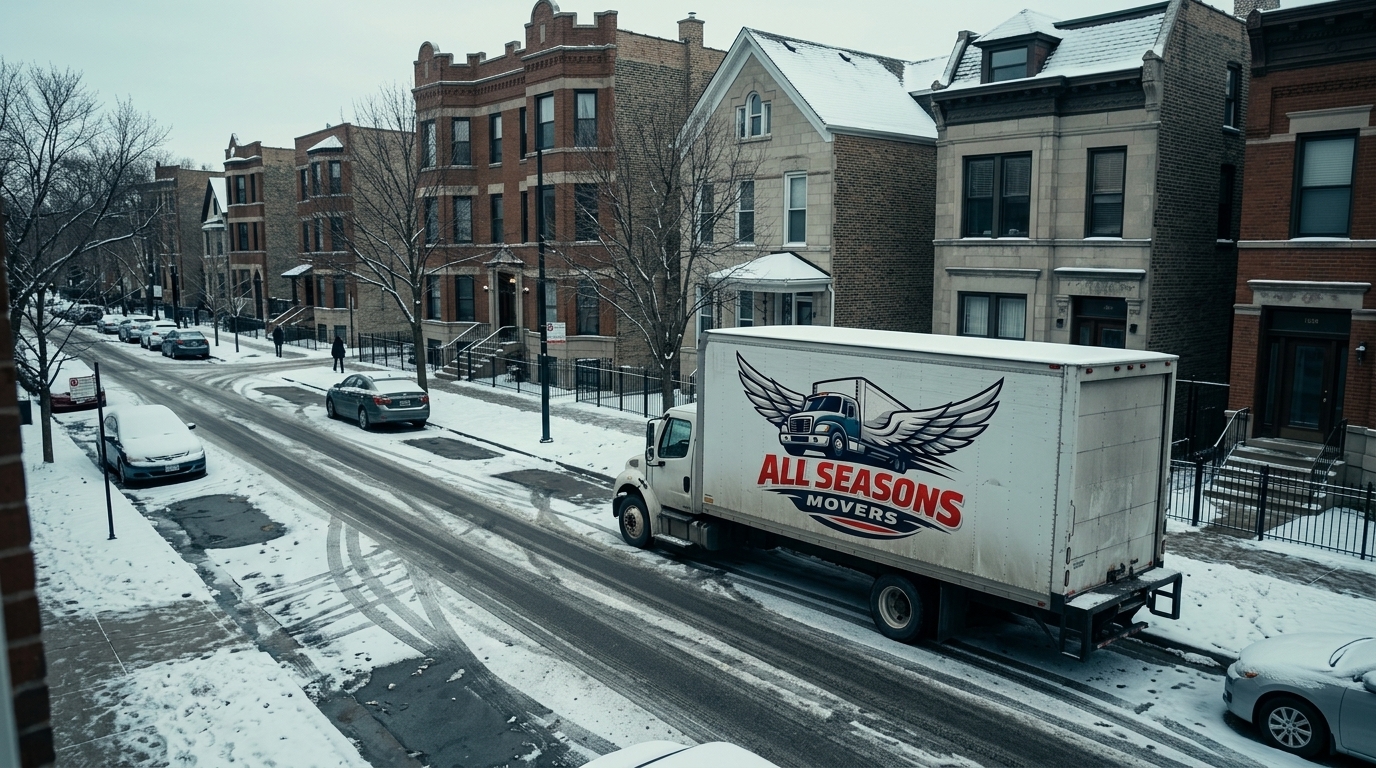
Between lake effect snow off Lake Michigan, wind chill that regularly pushes temperatures well below what the thermometer alone suggests, and a genuine handful of sub-zero days most winters, Chicago isn't just cold, it's cold in ways that create specific, practical problems on moving day. Roads can ice over quickly, sidewalks become genuinely hazardous, and materials in an unheated truck are exposed to temperature swings that most of the country simply doesn't deal with to the same degree.
Chicago's Snow Route Parking Ban and What It Means for Your Moving Truck
Here's something almost no generic winter moving guide mentions, because it's specific to how this city operates. Chicago enforces snow route parking restrictions on designated streets once snowfall reaches a certain threshold, and vehicles, including moving trucks, can be ticketed or towed if they're parked on a marked snow route during an active ban. If your move falls during or shortly after a significant snowfall, it's worth checking whether your street is a designated snow route and confirming with your moving company that truck placement has been thought through in advance, rather than assuming a normal curbside spot will be available and legal.
Sidewalk Shoveling Rules You Don't Want to Learn About the Hard Way
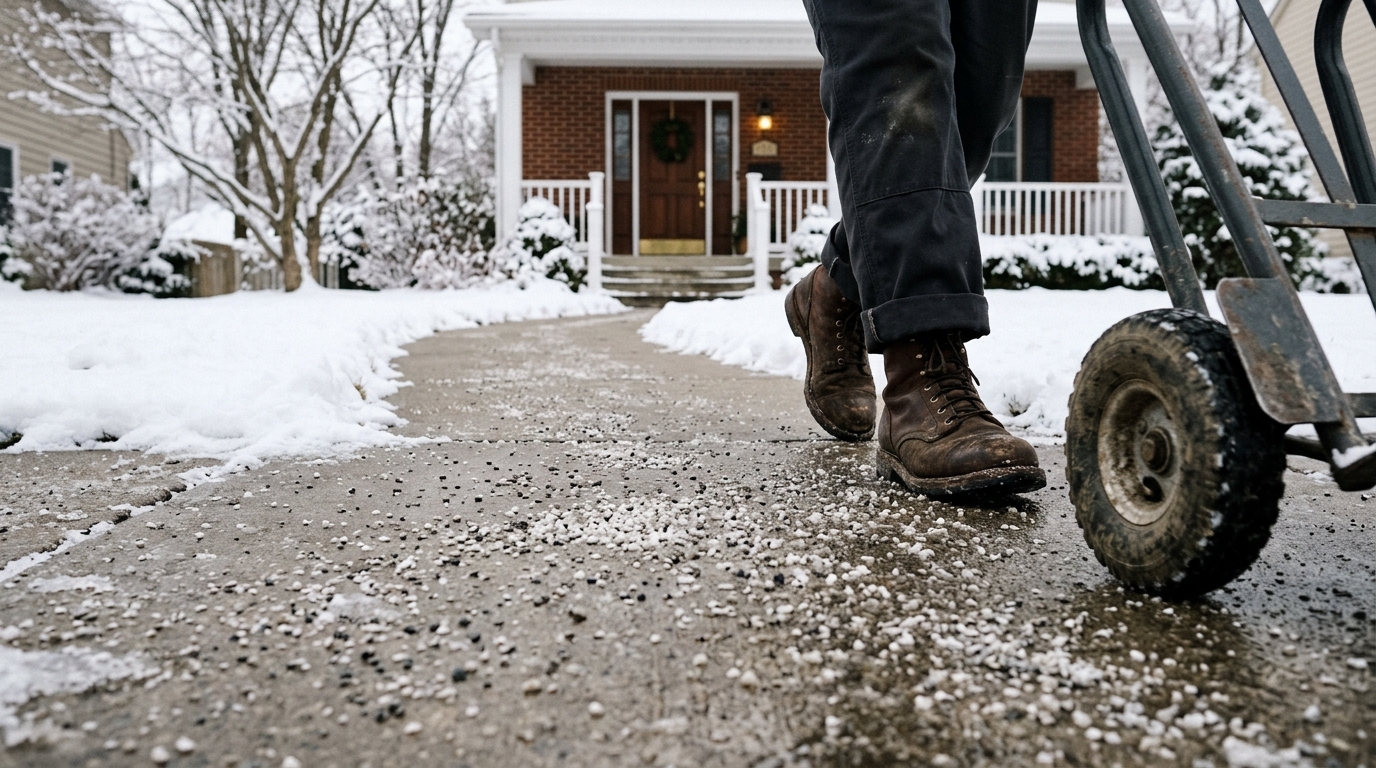
Chicago property owners and tenants are generally responsible for clearing snow and ice from the sidewalk in front of their property within a set window after snowfall stops. This matters directly on moving day, since an unshoveled, icy sidewalk isn't just a code violation, it's a genuine slip hazard for you, your family, and your moving crew carrying heavy items. Clearing and salting walkways at both your old address and your new one before the truck arrives is one of the simplest ways to prevent an injury and keep the day moving efficiently.
Protecting Your Belongings from Cold, Salt, and Moisture
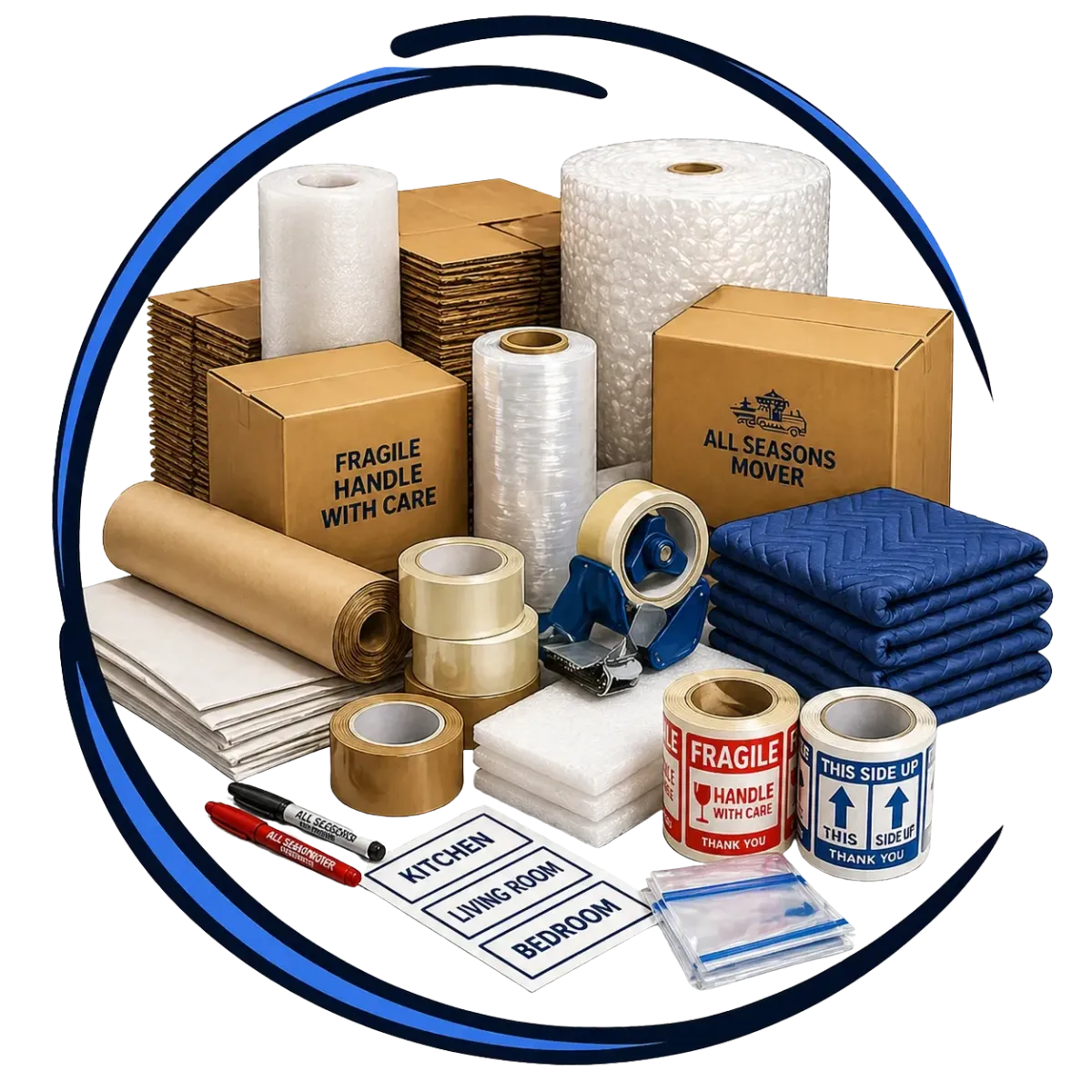
Cold weather affects your possessions differently than most people expect. Wood, metal, and porcelain can expand and contract with sharp temperature changes, while certain plastics become brittle and more likely to crack under pressure in extreme cold. Beyond the items themselves, road salt and slush tracked in from outside can damage hardwood floors and carpet at both ends of your move, so laying down tarps or old towels along your walking path protects your new home from the very first day. Wrapping fragile items with an extra layer of padding during a winter move isn't excessive, it's a reasonable response to genuinely different material stress than a move in mild weather.
Setting Up Utilities Before You Arrive
Nothing turns a winter move into a genuine problem faster than arriving at a new home with no heat. Confirm your utilities are active and the heat is running before moving day, especially if the property has been vacant, since a cold, unheated space raises the real risk of frozen pipes, and it makes the actual move in process considerably more uncomfortable for everyone involved. If you can't personally check the space ahead of time, ask your landlord, agent, or property manager to confirm heat is on and functioning before your scheduled move date.
What to Keep With You, Not on the Truck, in Winter
A few extra items are worth keeping close during a Chicago winter move, beyond your usual essentials bag:
Extra layers, gloves, and a hat, even if you're dressed warmly to start
A phone charger and a portable battery, in case cold weather affects your phone's battery life faster than usual
A few towels, kept accessible rather than packed away, for wiping down wet boots or drying off wet items
Hand warmers, particularly useful if you're waiting outside for any length of time during loading or unloading
When to Reschedule a Winter Move
Sometimes the safest decision is simply moving the date. If a significant winter storm, dangerous wind chill, or genuinely unsafe road conditions are forecast for your moving day, talk to your moving company about flexibility well before the date arrives rather than waiting until the morning of. A reputable Chicago mover understands this climate and should be willing to have this conversation honestly, rather than pushing forward with a move that puts people or belongings at real risk.
Getting Professional Help for a Chicago Winter Move
A mover who's genuinely experienced with Chicago winters understands snow route restrictions, sidewalk safety, and how to protect your belongings from the specific conditions this city creates every year. You can get a straightforward quote from All Seasons Movers for your winter move, with a crew that already knows how to plan around this city's cold weather realities instead of treating a Chicago winter move like any generic cold weather move.
FAQ: Moving in Cold Weather in Chicago
Does Chicago restrict where moving trucks can park during snow? Yes. Designated snow route streets enforce parking bans once snowfall reaches a certain threshold, and vehicles including moving trucks can be ticketed or towed if parked there during an active restriction.
Who is responsible for clearing snow from the sidewalk before a move? Generally the property owner or tenant, within a set window after snowfall stops. Clearing and salting walkways at both addresses before moving day helps prevent injuries during loading and unloading.
Does cold weather actually damage furniture and belongings? Yes, to a degree. Extreme cold can make certain plastics brittle and cause wood, metal, and porcelain to expand and contract, so extra padding and careful handling matter more in winter conditions.
Should I confirm heat is on before moving into a new home in winter? Yes, especially if the property has been vacant. Confirming heat is active before your move date helps prevent frozen pipes and makes the actual move in process significantly more comfortable.
When should I consider rescheduling a winter move in Chicago? If a significant storm, dangerous wind chill, or unsafe road conditions are forecast, it's worth discussing flexibility with your moving company well before your scheduled date rather than pushing through regardless of conditions.