



















Moving Garage Contents: What Movers Can and Cannot Take
Moving Garage Contents: What Your Movers Can Take and What You're Stuck Handling Yourself
Every room in a move gets packed eventually. The garage is the one that gets ignored until the last possible day, and then everyone realizes it's full of things nobody thought about, half used paint cans, a gas can for the mower, old cleaning chemicals, and a pile of tools that never quite made it back to a drawer.
Moving garage contents is genuinely different from packing the rest of your home, mostly because a real portion of what's sitting in there legally can't go on a moving truck at all. Here's what actually needs special handling, what to do with the items your mover has to leave behind, and how to pack the rest without a last minute scramble.
Why the Garage Is the Hardest Space to Move
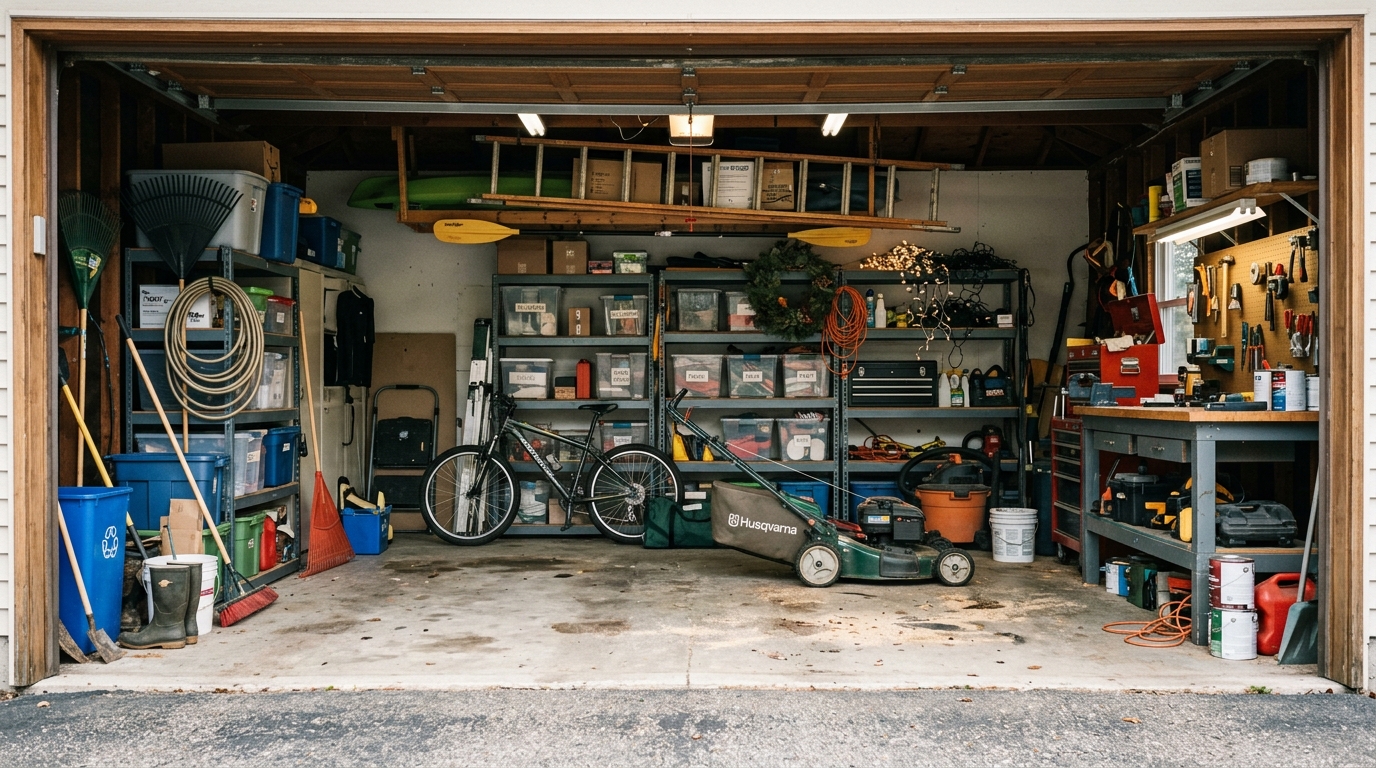
Unlike a bedroom or kitchen, a garage doesn't follow a predictable pattern. One household's garage might be mostly tools and a lawn mower, while another's is packed with holiday decorations, sports equipment, and a workbench nobody's touched in years. That unpredictability is exactly why garages take longer to pack than people expect, and why they're also where hazardous materials tend to accumulate without anyone really noticing over the years.
What Movers Legally Cannot Transport From Your Garage
This is the part that catches people off guard most often. Moving companies are legally restricted from transporting a specific category of items, most of which live in garages far more than anywhere else in the house:
Gasoline, propane tanks, and other fuel
Motor oil, antifreeze, and other automotive fluids
Paint, paint thinner, and solvents
Fertilizers, pesticides, and lawn chemicals
Car batteries and other batteries in bulk
Cleaning chemicals and aerosol cans
Fireworks or any other combustible material
This isn't a company being overly cautious, it's a genuine safety restriction tied to how these materials react during transport, particularly in an enclosed truck. Every legitimate moving company will decline these items regardless of how the request is framed, so it's worth sorting them out well before moving day rather than discovering the restriction while your truck is already being loaded.
What to Actually Do With Hazardous Materials Before Moving Day
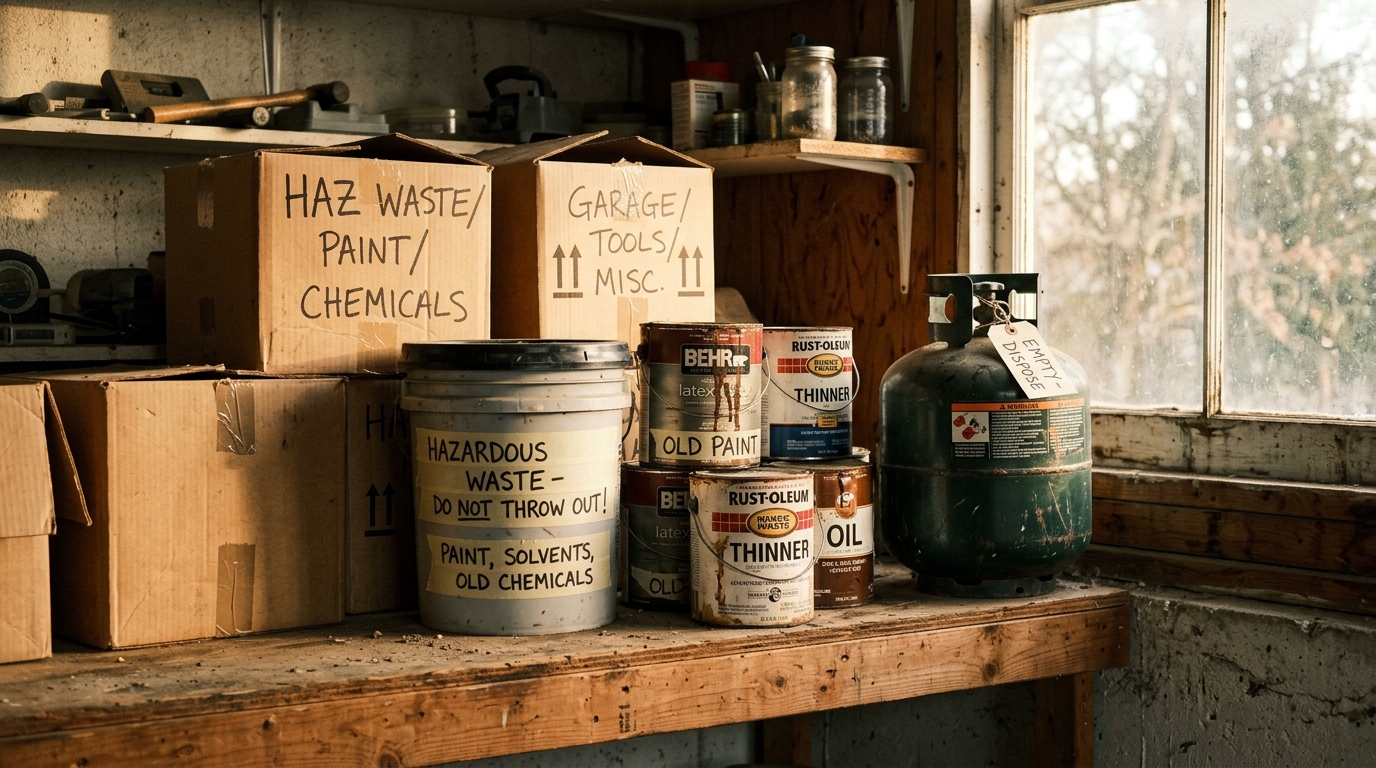
Here's the part most guides skip entirely, once you know movers won't take something, what's the actual plan. Many cities and counties run household hazardous waste collection events or permanent drop off sites specifically for items like paint, batteries, and chemicals, and checking your local municipality's website ahead of your move gives you a legitimate, safe disposal option rather than leaving these items behind for the next owner or tenant. For items still usable, like nearly full paint cans or a working propane tank, offering them to a neighbor or checking a local community donation group can be a faster solution than a formal disposal event. Whatever you do, avoid pouring chemicals down a drain or leaving fuel containers behind casually, since both create real safety and environmental problems for whoever comes next.
Sorting Your Garage Before Anyone Packs a Single Box
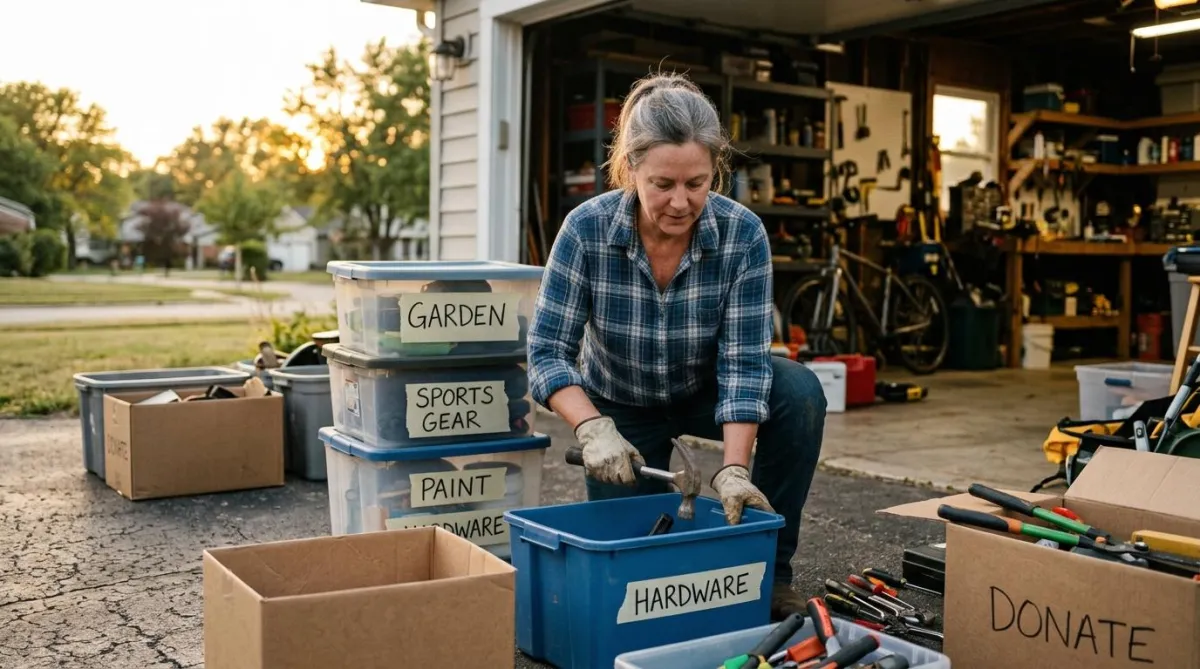
Before any actual packing starts, sort everything in the garage into a few clear categories: items coming with you, items to sell or donate, items to dispose of properly, and items that can't be transported at all due to hazardous material restrictions. Garages tend to accumulate things nobody actively decided to keep, so this sorting step alone often eliminates a meaningful percentage of what you thought you needed to pack in the first place.
Packing Tools, Equipment, and Odd Shaped Items the Right Way
Garage items are often heavier and more oddly shaped than anything else in your home, which means they need slightly different handling:
Hand tools should be grouped by type and wrapped to protect sharp edges, then packed into sturdy boxes or plastic bins rather than standard cardboard, since tools are often heavier than a typical box is built for.
Garden tools like rakes, shovels, and trimmers should be bundled together and secured, with sharp edges covered separately to avoid injury during loading.
Power equipment, including lawn mowers and trimmers, needs fuel fully drained before it can be transported, since even a small amount of leftover gasoline creates the same restriction as a full container.
Small hardware, like nuts, bolts, and screws, should go into small sealed containers rather than loose in a box, both to avoid losing anything and to prevent sharp small items from puncturing packing material.

Don't Forget the Built In Stuff
Garages often come with shelving units, pegboards, and wall mounted storage systems that people forget aren't actually part of the house, they're often installed by a previous owner or added over the years and may or may not be coming with you. Decide ahead of time whether wall mounted shelving and pegboard systems are staying with the property or traveling with you, since disassembling these adds real time to a moving day that a mover should know about in advance, not discover once they're already there.
Timing Your Garage Packing Around Chicago Weather
Garages aren't always climate controlled, which matters more in Chicago than in milder climates. Paint cans, certain adhesives, and some cleaning products can freeze, crack, or become unstable in cold winter temperatures, which is one more reason to sort and dispose of what you don't need well before a winter move rather than leaving it until the truck shows up in freezing weather. If your move is happening during a Chicago winter, plan your garage sorting a little earlier than you would the rest of the house, simply to avoid dealing with frozen or unstable materials on a tight timeline.
Getting Help With the Rest of the Move
Once the hazardous materials are sorted and disposed of properly, the remaining garage items pack and load like any other part of your move, just with a bit more attention to weight and awkward shapes. If the whole process feels like more than you want to tackle alongside everything else on your plate, All Seasons Movers provides full moving and packing support throughout Chicago at All Seasons Movers, including guidance on what can and cannot be transported, so nothing catches you off guard on moving day.
FAQ: Moving Garage Contents
What items can movers not take from my garage? Fuel, propane, motor oil, paint, pesticides, batteries in bulk, and other chemical or combustible materials are restricted by every legitimate moving company for safety reasons.
What should I do with paint and chemicals my movers won't take? Check your local municipality for household hazardous waste collection events or permanent drop off sites, which provide a safe, legal disposal option rather than leaving items behind.
Do I need to drain gas from my lawn mower before moving it? Yes. Even a small amount of leftover fuel triggers the same hazardous material restriction as a full container, so mowers and other gas powered equipment need to be fully drained first.
Should shelving and pegboards in my garage be packed too? Decide in advance whether built in storage like shelving or pegboards is staying with the property or coming with you, since removing it adds time your mover should know about ahead of moving day.
Does cold weather affect what's stored in a garage before a move? Yes, particularly in Chicago winters. Paint, certain adhesives, and some chemicals can freeze or become unstable in cold temperatures, so sorting and disposing of these earlier rather than later is worth the extra planning.