









Moving Companies Chicago Suburbs: What Makes Suburban Moves Different
Moving Companies Chicago Suburbs: What Makes Suburban Moves Different
Searching for moving companies in the Chicago suburbs usually means one of two things. Either you are leaving the city for more space in Naperville, Evanston, Oak Park, or Schaumburg, or you already live in one suburb and are heading to another. Either way, you have probably noticed something the big national moving sites never mention clearly: a suburban move is not just a smaller version of a city move. It comes with its own set of logistics, and hiring a company that actually understands those differences changes how smoothly the day goes.
Here is what makes suburban moves distinct, and what to look for in a company built to handle them.
Why a Suburban Move Isn't Just a Smaller City Move
City movers spend their days navigating elevators, loading docks, and metered street parking. Suburban movers deal with a completely different set of realities.
More square footage, more furniture. Suburban homes tend to be larger than city apartments, which means more items, longer carry distances, and more time loading the truck.
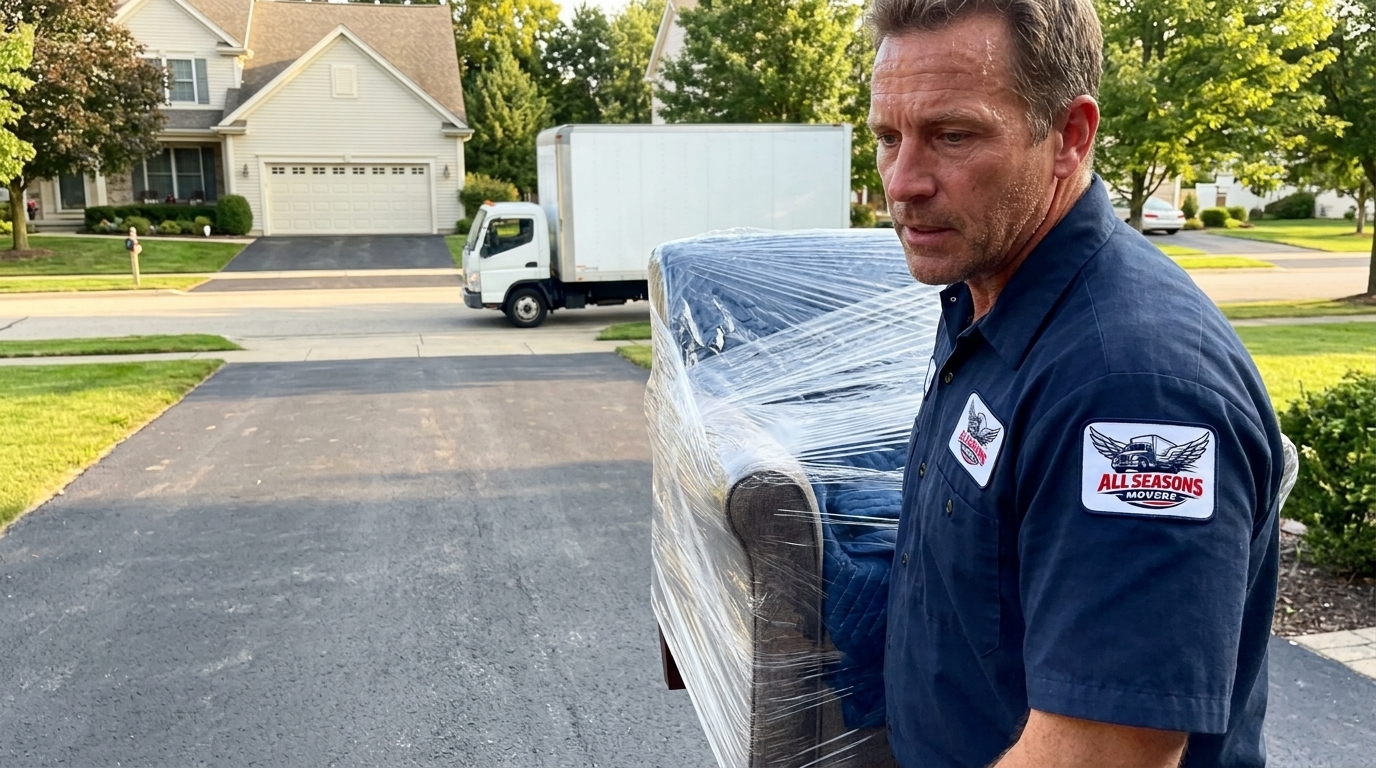
Driveways and garages instead of building entrances. Long driveways, attached garages, and multi car setups all affect how a crew stages and loads a move.
HOA and subdivision rules. Some communities restrict truck size, parking on the street, or the hours movers are allowed to work, and a local company will already know this before moving day.
Distance between stops. A move from one suburb to another can easily be twenty or thirty miles, which changes both timing and cost compared to a move across a single city block.
The Counties and Suburbs That Matter Most
Chicagoland is not one moving market, it is several stitched together. A company experienced across the region typically covers areas including:
Cook County suburbs like Evanston, Oak Park, and Skokie
DuPage County towns such as Naperville, Wheaton, and Downers Grove
Lake County communities including Northbrook and Highland Park
Kane, Will, and McHenry County areas as the region continues to stretch outward
If a moving company cannot speak specifically to your suburb, that is often a sign they book jobs there occasionally rather than regularly.
What to Ask a Suburban Moving Company Before You Book
Because suburban homes and communities vary so widely, the right questions look a little different than they would for a downtown apartment move.
Have you moved families out of my specific suburb or subdivision before
Do you know if my HOA restricts moving truck size or hours
How do you handle long driveway carries or homes without direct truck access
What is your process for protecting hardwood floors, carpeted stairs, and garage entries
Do you offer both hourly local pricing and flat rate options for larger suburban homes
A company that answers these with specifics, not generalities, is one that actually works in your area regularly.

Pricing Differences Between City and Suburban Moves
Suburban moves are usually priced by the hour for shorter distances, similar to a city move, but a few factors shift the total more than people expect.
Crew size matters more. Larger suburban homes often require a three or four person crew instead of two, which changes the hourly rate.
Drive time between suburbs adds up. Moving from one far suburb to another can add meaningful travel time compared to a same neighborhood move.
Stairs, long carries, and garages can add labor time. A home with a finished basement or a detached garage full of storage often takes longer to load than the square footage alone suggests.
Getting a written, in-home or virtual estimate rather than a phone quote is especially important for suburban homes, since size and access vary so much from one property to the next.
Signs a Company Actually Understands the Suburbs
Not every mover that services Chicagoland understands the suburbs equally well. Look for these signals.
Crews who ask about driveway length, garage access, or HOA rules before moving day
A local phone number and a real service radius, not just a citywide listing
Reviews that specifically mention suburb names, not only downtown addresses
Willingness to schedule around subdivision quiet hours or parking restrictions
Why Local, Suburb-Focused Experience Pays Off
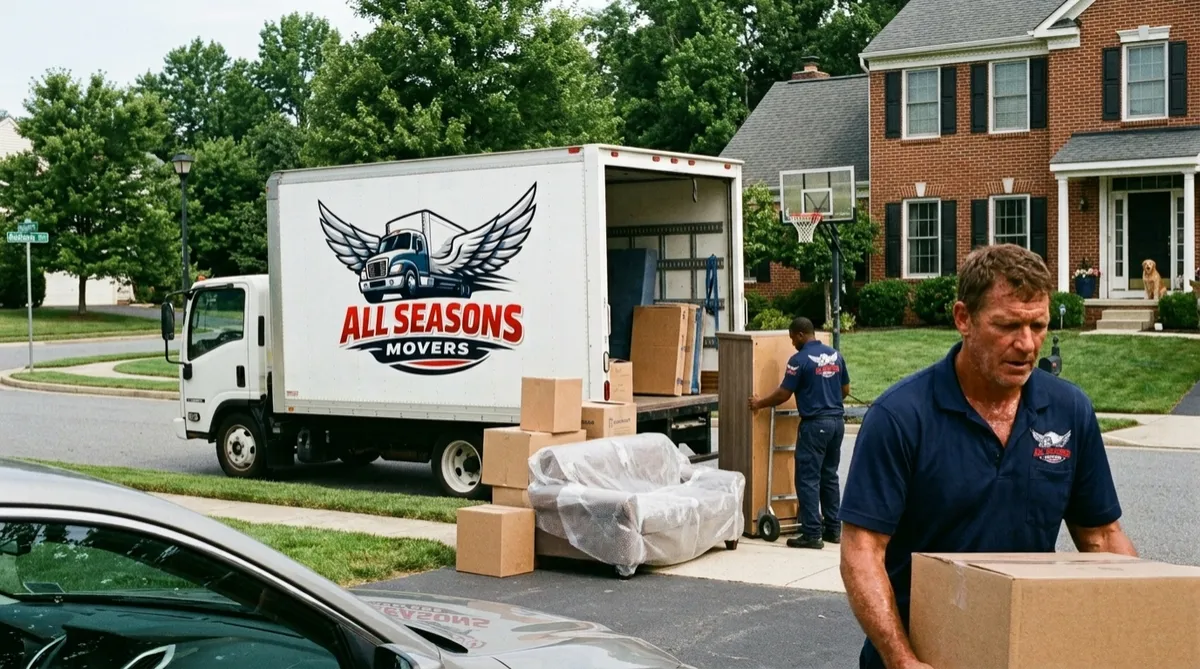
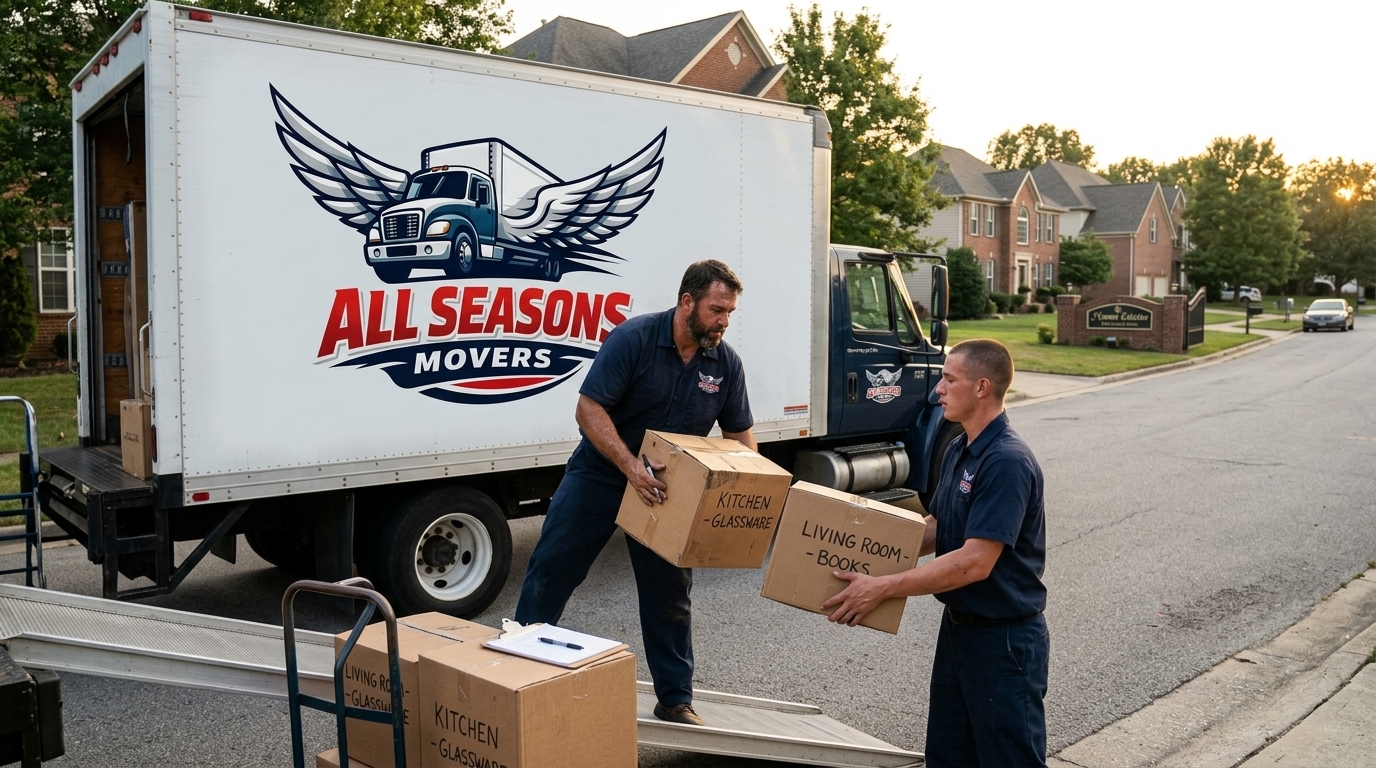
This is exactly where a Chicagoland based team has an advantage over a company that only occasionally ventures outside the city. All Seasons Movers works across the suburbs regularly, not as an afterthought, which means the crew already understands the difference between loading a three flat in the city and loading a four bedroom colonial with a finished basement in the suburbs.
That kind of familiarity shows up in small but meaningful ways, like knowing to ask about driveway slope before the truck arrives, or already having a plan for a subdivision that limits parking to one side of the street.
Quick Checklist for Hiring in the Suburbs
Confirm the company regularly services your specific suburb or county
Ask about HOA or subdivision restrictions ahead of time
Get a written estimate based on your home's actual size and access
Confirm crew size matches your home, not a generic apartment estimate
Ask how long carries, stairs, or garage access are handled in pricing
Choosing between moving companies in the Chicago suburbs comes down to one question more than any other: does this crew actually know the area, or are they simply willing to drive there. Suburban homes bring their own logistics, and a company built around that reality will save you time, money, and a surprising amount of stress on moving day.