













Moving and Storage in Chicago: What to Do When Your Dates Do Not Line Up
Moving and Storage in Chicago: What to Do When Your Dates Do Not Line Up
Lease ends on the thirtieth. New place is not ready until the fifth. It is one of the most common headaches in Chicago moving, especially given how heavily lease turnover clusters around the first of the month, and it is exactly the situation moving and storage services were built to solve. Understanding how storage actually works alongside a move, rather than as a separate errand, keeps a timing gap from turning into a logistical mess.
Why Storage and Moving Are Really One Problem
When your move out date and move in date do not match, your belongings need somewhere to go in between, and how that gap gets handled affects both your budget and how many hands your furniture passes through. Treating storage as an afterthought, something to figure out once the truck is already loaded, is how people end up paying for a separate storage unit, a separate rental truck, and extra labor just to move things twice instead of once.
This gap shows up constantly in Chicago specifically because of how the rental market operates here. With so many leases turning over on the same handful of dates each month, even a short delay in your new place being ready can leave you without anywhere to put your belongings for a few days or weeks.
Storage in Transit vs Long Term Storage

Storage in transit is a short term bridge, typically lasting days to a few weeks, meant to cover exactly this kind of timing gap between two home dates. Your belongings are loaded, taken to a secure facility, and held until your new place is ready, often by the same company handling the move itself. Long term storage is a different tool entirely, meant for months or years rather than days or weeks, and usually comes with regular access to your things rather than a locked, hands off holding period. Knowing which one your situation actually calls for changes both the pricing structure and how your belongings get handled while they wait.
The Hidden Cost Most People Do Not Ask About
A move that involves storage often gets billed differently than a straightforward move. Storage in transit is commonly charged by the day or week, while long term storage runs on a monthly rate. The detail that catches people off guard is double handling, meaning labor charges every time your belongings get physically moved, once into storage and again out of it. Asking whether your items stay sealed in the same containers or vault from pickup through final delivery, rather than getting unloaded and reloaded piece by piece, can make a real difference in your final cost.
It is also worth asking upfront how long you can use storage in transit before it converts to a different pricing structure or a different set of terms. Some arrangements have a defined window before daily rates shift or additional paperwork is required, and knowing that window ahead of time avoids an unexpected change partway through.
What Chicago's Climate Means for Anything in Storage
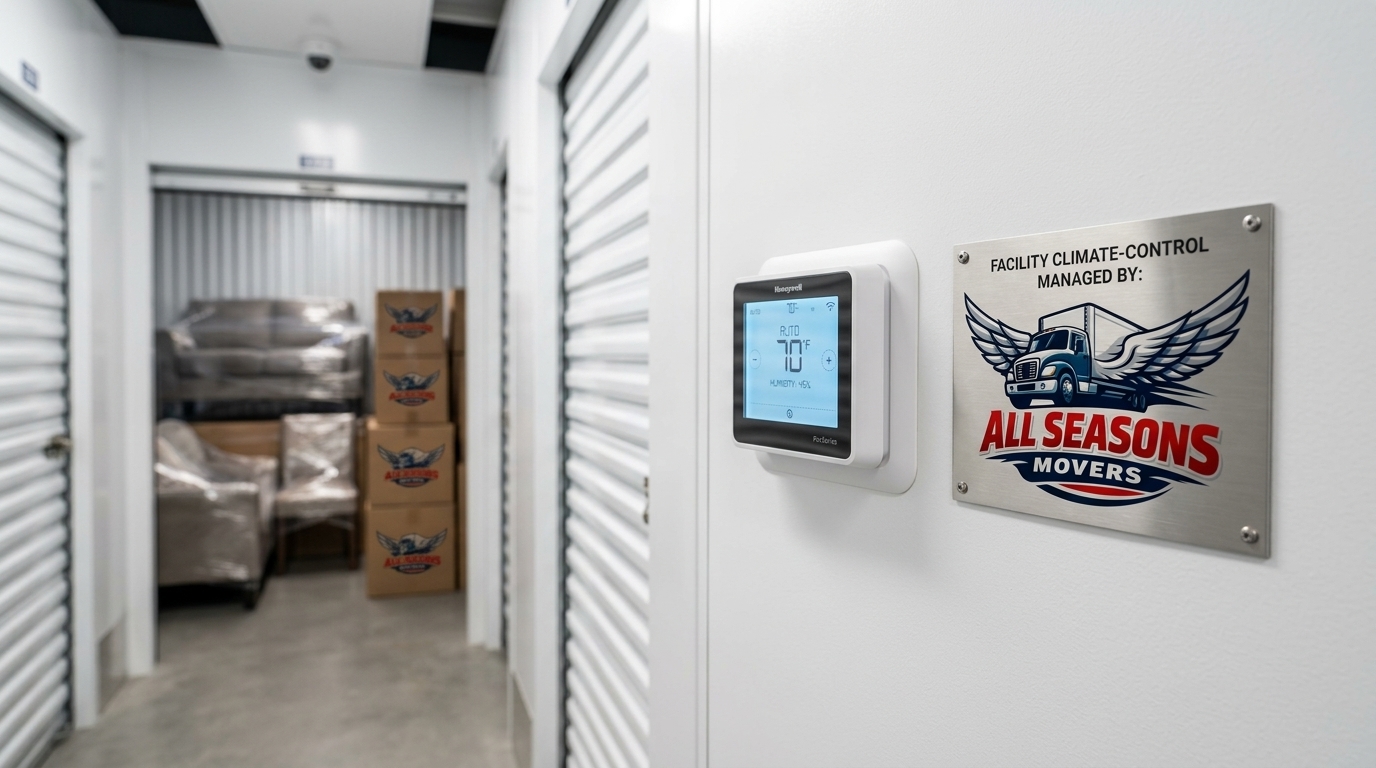
Anyone storing belongings in Chicago for more than a few weeks should think seriously about climate control. Summer humidity and winter cold swings hard here, and a non climate controlled unit can expose wood furniture, electronics, and artwork to conditions that cause real damage over time. This matters even for short storage in transit periods if your move happens to land during a heat wave or a deep freeze. Asking specifically whether a facility offers climate controlled storage, rather than assuming all storage works the same, protects anything sensitive to temperature or moisture.
Planning Around a Known Gap Instead of Reacting to One

The best time to think about storage is before your move date, not after your lease has already ended and your new place still is not ready. If you already know your dates will not line up, whether because of a closing delay, a renovation, or simply how Chicago leases tend to turn over, bringing storage into the conversation early lets your moving company plan a single coordinated process instead of scrambling to add it in at the last minute. This also gives you time to pack a separate box of essentials, medications, chargers, a few days of clothing, that stays with you rather than getting sealed away in storage for an unknown number of weeks.
Making the Gap Between Homes Easier to Manage
Moving and storage in Chicago do not have to mean juggling two separate companies, two separate quotes, and two separate headaches. When a single provider handles both the move and the storage in between, your belongings pass through fewer hands, and your timeline stays coordinated under one plan instead of several disconnected ones.
If your dates are not lining up and you need a straightforward way to bridge the gap, you can ask All Seasons Movers about moving and storage options and get both handled as part of one coordinated plan, rather than piecing together separate solutions on your own. A little planning around a known gap turns a stressful in between period into a manageable one.
Timing rarely lines up perfectly during a move, and that is exactly what storage exists to solve. Knowing the difference between short term and long term options, and asking the right questions about handling and climate control, makes that gap far easier to get through.