












Moving and Storage Chicago IL: A Smart Plan for Every Gap Between Homes
Moving and Storage in Chicago IL: A Smart Plan for Every Gap Between Homes
Your lease ends on the thirtieth. Your new place is not ready until the fifteenth. Your furniture has nowhere to go. If that sounds familiar, you are not alone, and it is exactly why moving and storage in Chicago IL is one of the most searched services in the city.
Chicago moves are rarely simple. Walk ups with narrow stairs, high rises with dock reservations, tight alleys, and winter weather all complicate the day. Add a timing gap and you need a plan that combines the truck, the crew, and a safe place for your belongings. Here is how to build it.

When Does Moving and Storage Actually Make Sense?
Not every move needs storage. But these situations in Chicago almost always do:
Your lease ends before your closing date or new lease begins.
You are downsizing from a house in the suburbs to a city apartment.
Your renovation is running behind schedule.
You are relocating for work and need time to find housing.
Staging a home for sale requires clearing out extra furniture.
Moving Plus Storage: The Chicago Timeline Nobody Talks About
Most guides tell you to book a storage unit and hire movers separately. That creates two schedules, two contacts, and double the chance of a missed handoff. A better approach is to map your timeline in three stages.
1. Pickup Day
Your crew arrives, wraps furniture, loads the truck, and records an inventory list. Ask for a printed copy before anything leaves the building.
2. Storage Stay
Your belongings sit in a secure facility until you are ready. Chicago swings from freezing winters to humid summers, so ask whether your items sit in a climate controlled space.
3. Delivery Day
The same team returns your items to your new address, places furniture where you want it, and reassembles beds and tables. One company, one handoff, no confusion.

Chicago Challenges That Change Your Moving Plan
Generic advice misses what makes this city different. Plan around these local realities:
Building rules: Many high rises require a certificate of insurance and a reserved elevator window. Ask your property manager early.
Street parking: Moving trucks in dense neighborhoods like Lincoln Park or Wicker Park may need a city permit to reserve curb space.
Peak dates: Leases often turn over at the end and start of the month, and summer fills calendars fast. Book four to six weeks ahead.
Winter conditions: Snow and ice slow loading. Ask how your mover protects floors and handles slippery stairs.
How to Choose a Storage Option That Fits
Three formats dominate the market. Each fits a different need.
Warehouse Storage Managed by Your Mover
Your belongings are packed, padded, and stored in a professional facility. This suits full households and anyone who wants minimal handling. You skip driving to a unit and lifting boxes yourself.
Self Storage Units
Good for small loads and frequent access. The tradeoff is that you carry the loading work and the risk of damage during repeated trips.
Short Term vs Long Term Storage
Short stays of a few weeks suit move date gaps. Longer stays suit downsizing, military deployments, or international relocations. Always ask about month to month flexibility so you are not locked into a long contract you do not need.
Pack for Storage Differently Than for a Move
Items headed to storage for months need extra care. Follow these five steps:
Clean and fully dry every item before boxing it.
Disassemble large furniture and keep hardware in labeled bags.
Wrap mattresses and sofas in breathable covers, not plastic that traps moisture.
Label boxes by room and contents on two sides.
Keep a pathway inside the unit so you can reach items you may need.
Professional packing also reduces breakage, especially for dishes, art, and electronics.

Questions to Ask Before You Book
The cheapest quote is rarely the best value. Use these questions to compare companies fairly.
Is the quote binding, or can the final price change on moving day?
Who owns and operates the storage facility?
What protection covers my belongings while in storage?
Will the crew that loads my items also deliver them?
Are there fees for early or late access to my items?
A Real World Scenario: Gap Between Leases
Picture a couple leaving a one bedroom apartment on April 30 with a new home closing on May 20. Here is a clean way to handle it:
Week before: finalize the inventory and pack nonessentials.
April 30: the crew loads the truck and moves everything to storage.
May 20: the same crew delivers and sets up your home.
The result is zero scrambling, no furniture stuck in a hallway, and no rushed decisions under pressure. Everything just waits safely until your new keys are in hand. Total cost depends on volume, access, and length of stay, so ask for a written estimate that lists each stage separately. That way you can see exactly what you pay for pickup, storage, and delivery.
Why Local Experience Matters
A company that moves families across Chicago every week already knows which streets are tight, which buildings enforce strict rules, and how to protect your furniture through a Midwest winter. That knowledge saves you time, stress, and money.
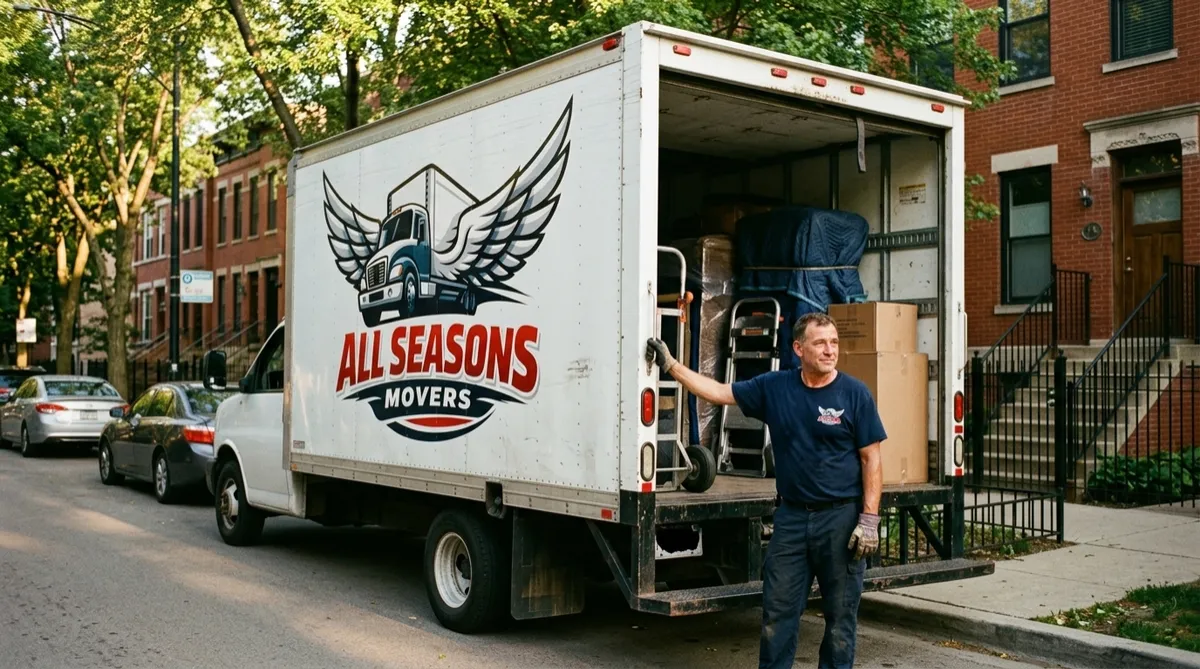
At All Seasons Movers, our crews handle residential and commercial moves throughout Chicago and nearby suburbs, with storage options that match your timeline. Whether you need a few weeks or several months, we coordinate pickup, storage, and delivery under one plan, so nothing falls through the cracks.
Your Next Step
Moving and storage in Chicago IL does not have to feel like juggling. Start by listing your key dates, your inventory size, and your building requirements. Then speak with a team that handles all three stages together. Ready to get started? Request your moving and storage quote today and let us build a plan around your schedule, your budget, and your belongings.