












Movers South Loop Chicago | High Rise Moving Guide & Quotes
Movers South Loop Chicago: The High Rise Details Most Companies Never Mention
Moving into or out of a South Loop high rise is not the same job as moving out of a Lincoln Park walk up. Anyone who has actually tried to book movers South Loop Chicago residents can rely on already knows this. The neighborhood is packed with condo towers along Michigan Avenue, loft conversions near Printers Row, and newer buildings ringing Grant Park, and every single one of them has its own rulebook for how a move is allowed to happen.
Most guides skip that part. They talk about restaurants near Museum Campus and the walkable lakefront, which is nice, but it will not help you on moving day when your building manager asks for a certificate of insurance you never knew you needed.
This guide covers what actually determines whether your South Loop move goes smoothly, what it tends to cost, and how to pick a mover your building will not give you grief about.
Why South Loop Moves Play by Different Rules
South Loop is one of the densest pockets of high rise living in the city. Buildings along State Street, Wabash, and Roosevelt Road each set their own move in and move out policies, and property management companies enforce them closely because they are the ones dealing with scratched hallways and jammed elevators after a sloppy move.
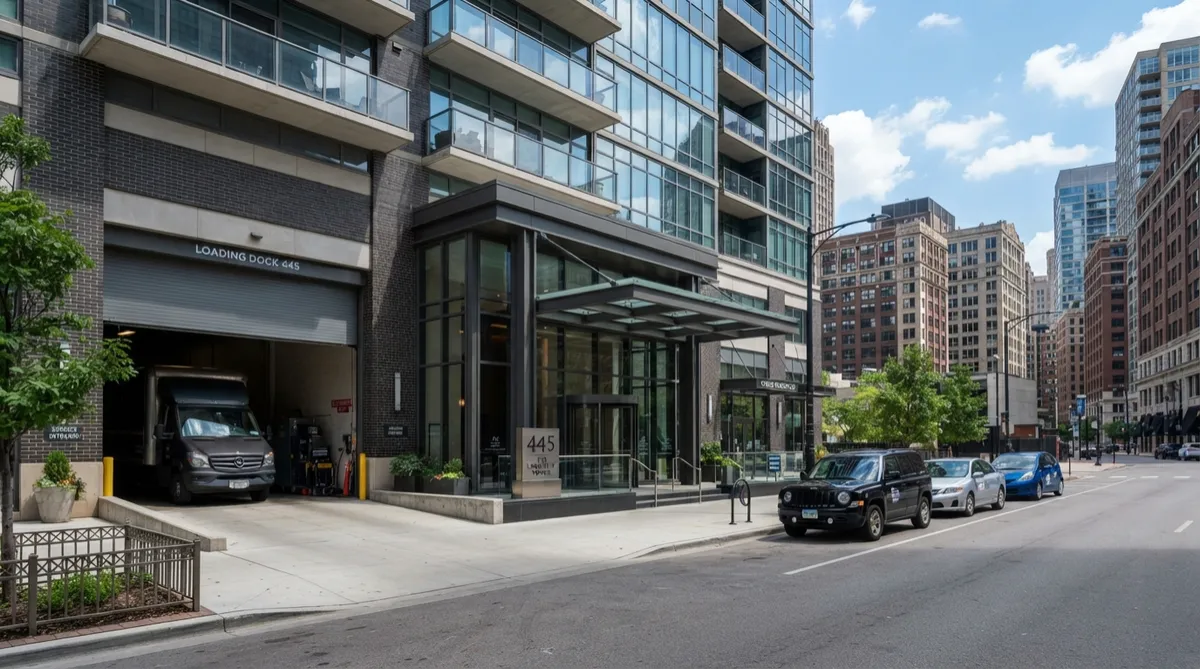
That means a mover who is great at getting a three flat cleared out in Pilsen might have zero experience coordinating with a doorman, reserving a loading dock, or protecting hallway corners on the fourteenth floor. Hiring movers in South Loop Chicago without asking about high rise experience is how people end up with move day surprises.

The Paperwork Nobody Warns You About
Certificate of Insurance
Almost every South Loop high rise requires a certificate of insurance, usually called a COI, before a moving truck is allowed near the loading dock. The COI names the building as an additional insured and lists coverage limits the management company sets, often somewhere between one and two million dollars in general liability.
The catch is timing. Most buildings want that COI in hand five to seven business days before your move date, not the morning of. A moving company that has worked South Loop buildings before will already know your building's exact format and can usually turn a COI around fast once they have your property manager's contact information.
Freight Elevator and Loading Dock Reservations
The second thing that trips people up is scheduling. Freight elevators in South Loop towers are shared by every resident moving in or out that week, plus deliveries, plus contractors. Weekend slots disappear first, especially at the end of the month when leases turn over across the whole neighborhood.
Reserve your window as early as you can, then confirm your movers can hit that exact time slot. Showing up thirty minutes late to a reserved freight elevator slot can lose the reservation entirely and push your whole day back.
What It Actually Costs
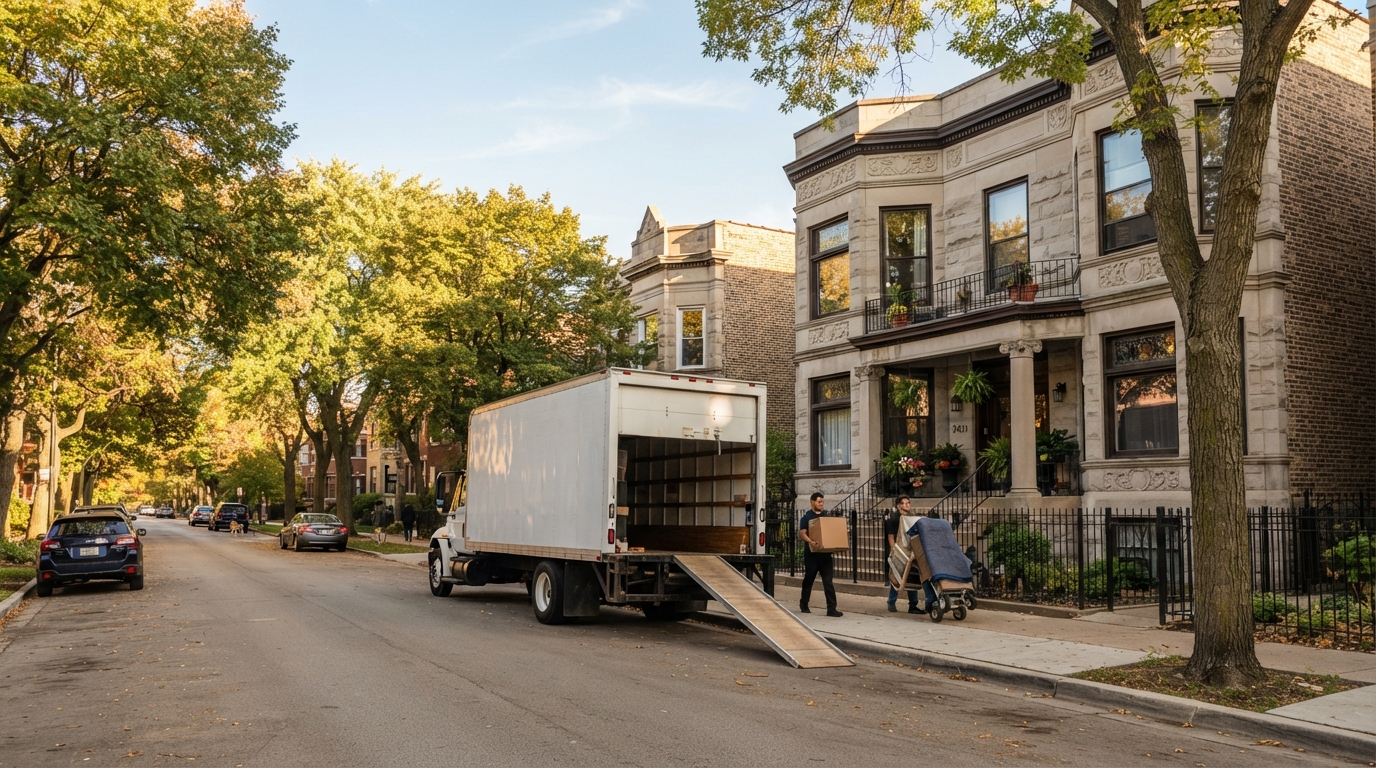
Pricing for movers South Loop Chicago residents book usually comes down to three things: how many rooms you are moving, how far the truck has to travel from the loading dock to your unit, and how much time is needed for the elevator itself. A studio or one bedroom condo move typically runs a few hours with two movers, while a larger three bedroom unit with a long elevator ride can take most of a day.
Ask for a written estimate that accounts for building specific factors like elevator wait time and long carry distances from the dock. A quote that ignores those details almost always turns into a higher bill on move day.
How to Choose the Right South Loop Movers
Look for a company that answers these questions without hesitating.
Can they send proof of insurance same day, or does a COI take them a week to produce?
Have they worked your specific building or a similar tower nearby, and do they know the dock layout?
Is pricing locked once they see the move details, or does it change once the truck arrives?
Can they handle a short notice booking if your closing date or lease turnover shifts?
A company like All Seasons Movers, which has spent decades handling Chicago high rises, apartments, and condos citywide, can usually answer all four without missing a beat. See their full range of services and get a same day quote at https://allseasonsmovers.com/.

A Realistic Timeline
Two to three weeks out, confirm your building's move policy and start the COI process. One week out, lock your freight elevator reservation and confirm it with your movers. A few days out, finish packing anything fragile and set aside essentials for the first night. On move day, plan for building check in and a buffer of at least thirty minutes in case another resident's move runs long ahead of yours.
Frequently Asked Questions
Do I need a certificate of insurance to move in South Loop? Yes, nearly every South Loop building requires one before movers can access the loading dock or freight elevator, and most want it five to seven business days ahead of your move.
How far in advance should I book movers in South Loop Chicago? Two to three weeks is ideal, especially near the end of the month when lease turnovers stack up across the neighborhood and freight elevator slots fill fast.
Can movers work around a strict elevator reservation window? Experienced South Loop movers build their schedule around your exact reservation and arrive early to check in with building staff before the window opens.
What is the average cost to hire movers in South Loop? Cost depends on unit size, elevator wait time, and dock to door distance, so a written estimate that includes those specifics will be far more accurate than a flat per hour guess.
Do South Loop buildings allow weekend moves? Most do, but weekend freight elevator slots are the first to book out, so reserving early matters more on weekends than any other day.