



































Which Type of Help Actually Fits Your Move
Movers Explained: Which Type of Help Actually Fits Your Move
Search "movers" or the common misspelling "moovers" and you get the same flood of results, which tells you something useful. Most people typing this word are not looking for a definition, they are trying to figure out what kind of help they actually need. The word covers a wide range of services, and choosing the wrong one is how people end up paying for a full crew they did not need, or worse, renting a truck for a move that really called for professionals.
Why the Word "Movers" Covers So Much Ground
Movers can mean a two person crew helping load a rental truck for a few hours, or a full team that packs your kitchen, drives across the state, and unpacks your new living room the same week. Both are legitimate, both get called movers, and both solve completely different problems. The real question is not which company has the best reviews, it is which category of service actually matches your situation.
Full Service Movers: When Handing Off Everything Makes Sense

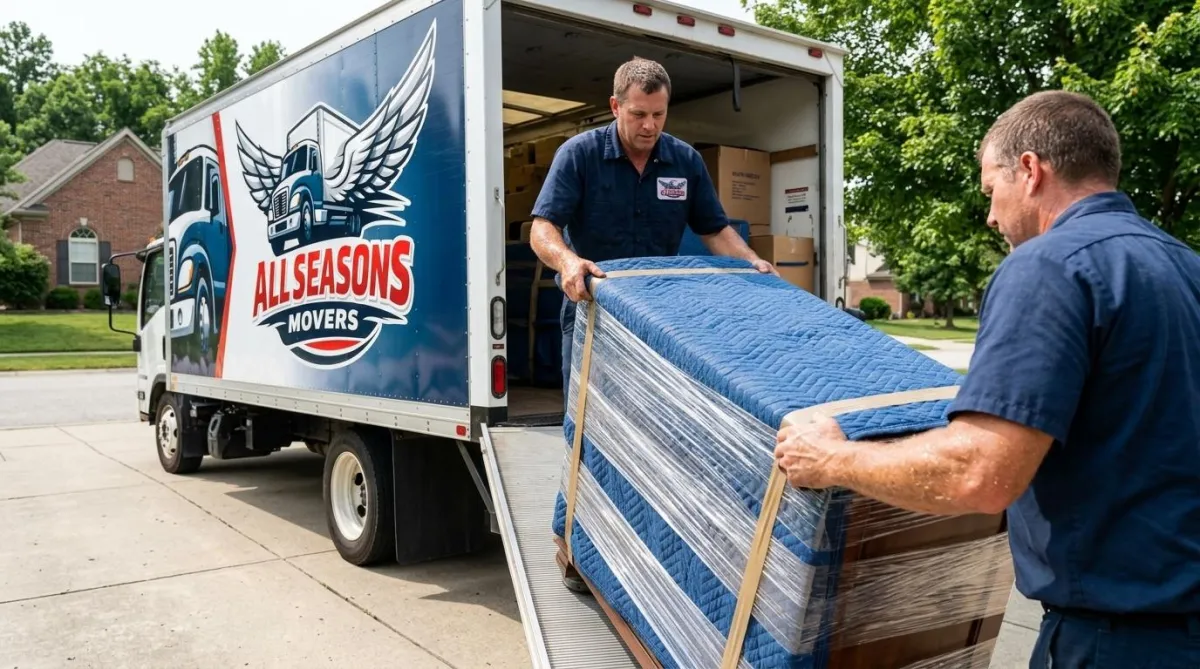
Full service movers handle nearly every physical part of the move. That typically includes packing your belongings, disassembling larger furniture, loading the truck, driving it, unloading at your new place, and reassembling what needs to go back together. This option costs more, but it removes almost all the physical and logistical burden from your plate. It tends to make the most sense for busy professionals, families with young kids, larger homes with a lot of furniture, or anyone who simply does not have the time or physical ability to manage the process themselves.
Because this option touches every part of the move, it is also worth booking earlier than the other categories. Full crews with trucks and packing supplies tend to fill up fastest during busy season, so waiting until the last minute usually means fewer available dates and less room to negotiate on timing.
Labor Only Movers: When You Just Need the Muscle
Labor only movers are a different service entirely. You handle the truck, whether that is a rental or a container, and the crew focuses purely on the physical labor, loading, unloading, and sometimes furniture disassembly. This is usually billed hourly with a set minimum, and it works well for people on a tighter budget, smaller apartments, or anyone who already has transportation sorted and just needs help with the heavy lifting. The tradeoff is that you are responsible for coordinating timing between the truck and the crew, and for supplying equipment like straps and furniture pads unless it is specified otherwise.
Local Movers vs Long Distance Movers: A Different Kind of Planning
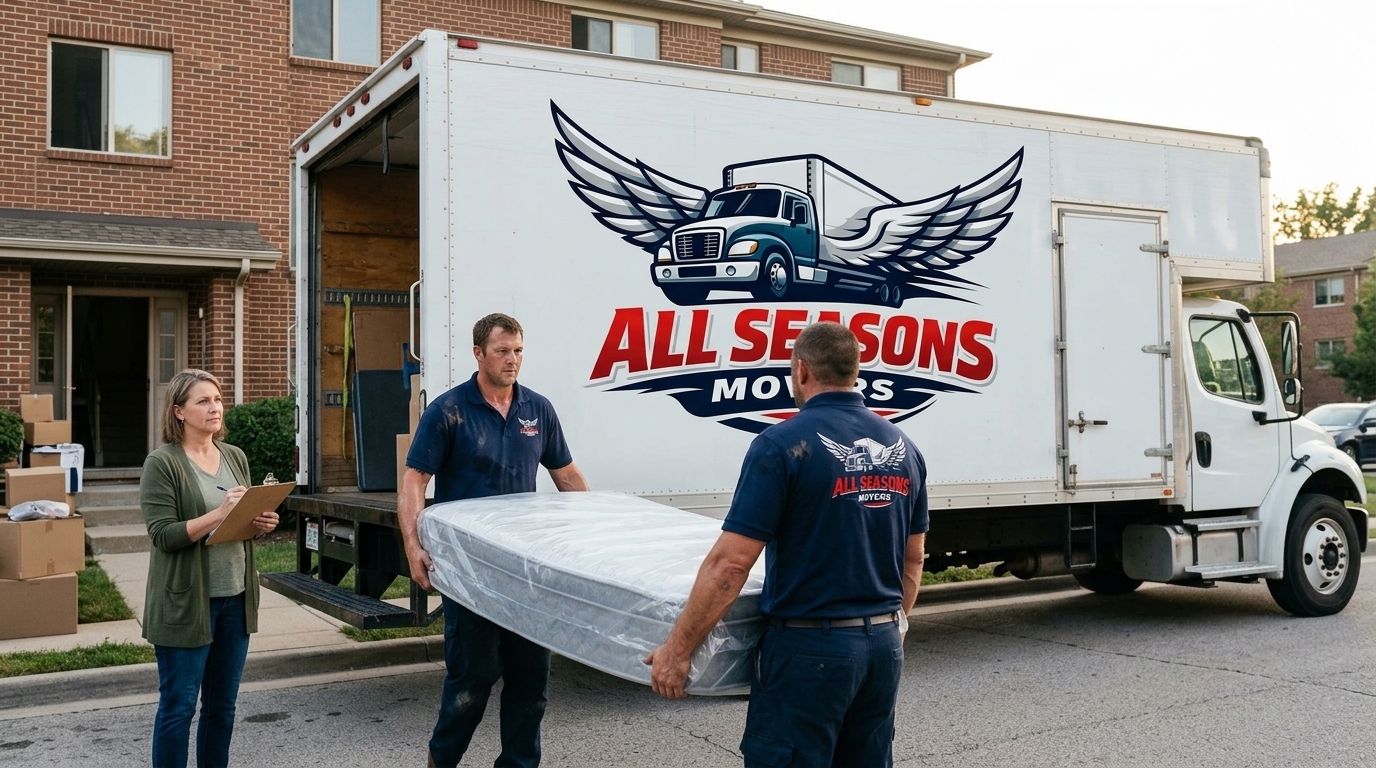
Distance changes more than the price. A local move usually happens in a single day, with the same crew loading, driving, and unloading everything in one continuous trip. A long distance move often works differently, with one crew loading the truck, a separate driver handling transit, and another team unloading at the destination, sometimes days later. This matters for how you plan around your move date, since a long distance move needs more lead time for scheduling, while a local move offers more flexibility to book closer to your target date.
Insurance and estimates also work differently depending on distance. Local moves are often quoted hourly, while long distance moves are more commonly quoted by weight or cubic footage with a binding or non binding estimate attached. Understanding which pricing model applies to your move helps you compare quotes accurately instead of assuming every number means the same thing.
Specialty Situations That Call for a Specific Kind of Mover
Not every move fits neatly into full service or labor only. Some situations call for a narrower specialty. Packing only services exist for people who want professionals handling fragile items and boxing but plan to move everything themselves. Piano movers and gun safe movers exist because those items need specific equipment and experience most general crews do not carry. Senior moves often benefit from a slower, more guided process that accounts for downsizing and emotional attachment to belongings, not just speed. Office and commercial moves are their own category entirely, built around minimizing downtime rather than simply relocating furniture. Knowing which of these categories your move actually falls into saves you from paying for a service built for a different kind of job, and it also helps you ask more useful questions when you finally call around for quotes.
Matching the Right Movers to Your Actual Move

The fastest way to figure out which type of movers you need is to be honest about three things: how much time you have, how much physical work you are willing or able to do yourself, and how complex your inventory actually is. A studio apartment with a few boxes and a mattress rarely needs the same service as a four bedroom house with a piano and a home office. Matching the service type to the actual move, rather than defaulting to whichever option sounds cheapest or most familiar, is what keeps both the cost and the stress in check.
If you are still not sure which category fits your situation, a quick conversation with an actual moving company usually clears it up faster than another hour of research. You can talk to All Seasons Movers about your move and get a straightforward recommendation based on your home, your timeline, and your budget, rather than guessing from a search results page.
Whether the word that brought you here was spelled correctly or not, the goal is the same. Get the right kind of help, at the right level, for the move you are actually making, and the rest of the process gets a lot easier to plan around.