












Movers Chicago Suburbs: Lakeshore East Moving Guide
Lakeshore East to the Suburbs: Your Guide to Movers Chicago Suburbs Families Trust
You have spent years in a glass tower beside Lakeshore East Park, with the lake at your window and a Mariano's downstairs. Now a yard, a garage, and a quieter street are calling. The move itself, though, is a different animal. Going from a 60601 high rise to a suburban house takes a crew that understands both worlds. This guide covers what makes a Lakeshore East departure unique and how to choose movers Chicago suburbs buyers and renters can count on.

Why Lakeshore East Residents Are Looking Outward
Downtown living is not cheap. Listings show two bedroom rents in the neighborhood running roughly from $4,000 to $5,400 a month. For that budget, many families start to price larger suburban homes with a yard, a garage, and a school zone they love. Remote work has loosened the commute question, so the lake view competes with square footage.
Why a Lakeshore East Move Is Not a Typical Move
Lakeshore East is a planned community of about 28 acres, tucked north of Millennium Park and south of the Chicago River, according to Domu's neighborhood overview. Homes for sale in the 60601 zip code are all high rise condos, as one local real estate guide notes. That shapes your move in three ways.
1. Elevator and Dock Reservations
Most towers around the park require a booked time slot for the freight elevator, plus a certificate of insurance from your mover. Request both from your building office at least two weeks ahead, because weekend slots disappear fast.
2. Long Carries and Tight Corridors
A unit on the 40th floor means a long trip from door to truck. Experienced crews pad hallways, protect elevator walls, and stage furniture in order so nothing blocks a neighbor. That planning saves hours on the clock.
3. Downtown Traffic and Parking
Columbus Drive and Randolph Street get busy fast, so truck placement matters. Ask your mover how they handle permits, loading zones, and early morning starts before the Loop wakes up.

The Suburban Side Most Guides Forget
Most articles about movers Chicago suburbs searchers read focus on the origin address. The destination matters just as much. Suburban homes bring driveways, stairs, basements, and older streets. One industry release notes that tight driveways and narrow streets often call for pre move surveys and smaller shuttle trucks, as this suburban logistics report explains.
Here is the gap nobody covers. Your high rise furniture was chosen for elevators and open floor plans. A suburban home has the opposite problem: more rooms, more wall space, and the temptation to buy new pieces. Walk the new home first, measure doorways, and decide which items fit your next chapter.
Logistics and Fuel: What Chicago Moves Cost Right Now
Fuel has been a headline all year. Local reporting found that Chicago area diesel hit a record $6.30 a gallon in May, up 71 percent from a year earlier. Prices have moved since then, so ask every mover how fuel is handled in your quote.
Freight analysts add that rising enforcement and elevated diesel are tightening truck capacity nationally, which can ripple into scheduling and pricing. For you, the takeaway is simple. Book early, choose a flat or clearly written estimate, and avoid last minute month end dates when demand peaks.
How to Choose Movers Chicago Suburbs Residents Recommend
Competitor pages mostly list service areas and hourly rates. Use these four checks instead.
1. High Rise Experience
Ask how many tower moves they complete each month and whether they carry insurance certificates for building managers.
2. Suburban Destination Planning
Confirm they will review driveway access, stairs, and parking at your new address before quoting.
3. Written Estimates
Insist on a written estimate that lists labor, travel time, fuel, and packing materials so no surprise appears on move day.
4. Licensing and Insurance
Verify the company is licensed and insured, and ask how damage claims are handled before you sign anything.
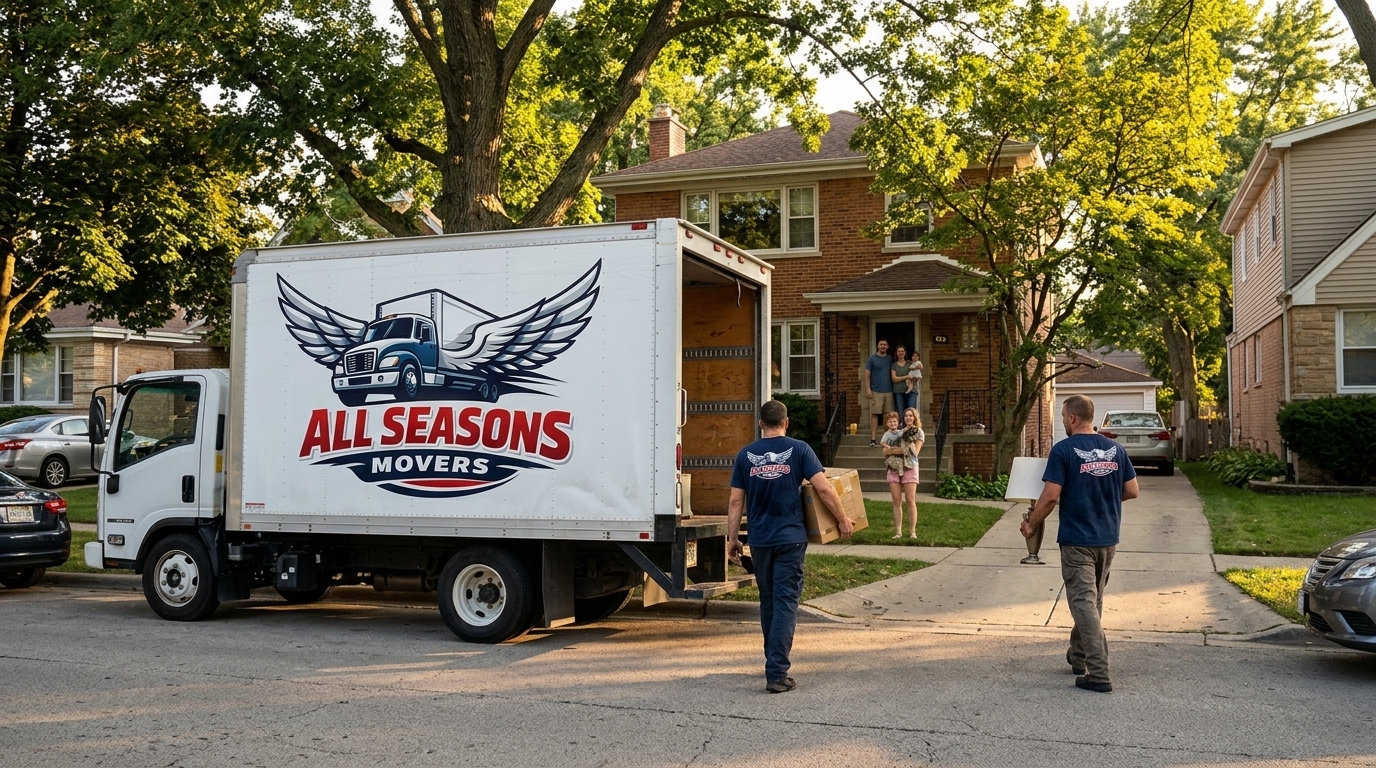
All Seasons Movers is a family owned and operated company serving Chicago and the surrounding suburbs for over 30 years, fully licensed and insured. That downtown to suburb experience is a strong match for a Lakeshore East departure.
Your Final 30 Days Before Leaving the Park
Four Weeks Out
Request quotes, reserve your elevator slot, and notify building management of your move out date.
Two Weeks Out
Start packing rooms you rarely use, donate pieces that will not fit your new home, and confirm parking arrangements at both addresses.
Moving Week
Label boxes by destination room, keep essentials in a separate bag, and walk the unit with your crew lead before the truck leaves.
Pro tip: if your tower allows only a short elevator window, ask your mover about professional packing the day before. Pre packed boxes move faster, which keeps your reserved time slot from running out, and your costs down.
Three Mistakes That Cost Lakeshore East Residents Time
1. Booking Movers Too Late
Peak weekends fill weeks ahead. Reserve your date as soon as your lease or closing date is set.
2. Underestimating Your Inventory
High rise storage lockers and balcony items often get forgotten. Count everything before you request a quote.
3. Ignoring the Destination
A crew that never saw your new driveway may arrive with the wrong truck. Share photos and measurements upfront.
Ready to Make the Move?
Leaving Lakeshore East is a big chapter change, and the right crew makes it feel exciting instead of exhausting. Whether your next stop is Naperville, Evanston, or Schaumburg, the best movers Chicago suburbs families hire plan both ends of the trip before the truck ever rolls.
When you are ready, request an estimate from our team and tell us your building, your move date, and your destination. We will map the elevator, the route, and the driveway, then build a plan around your schedule. Your yard, your garage, and your quiet street are waiting, and we would be proud to help you reach them.