











Movers Chicago Area: What "Local" Actually Means Before You Book
Movers Chicago Area: What "Local" Actually Means Before You Book
Type "movers Chicago area" into Google and you'll get two kinds of results. Directory sites listing 40 companies you've never heard of, and franchise pages written in the same vague brochure language no matter which city you're in. Neither one answers the actual question you're asking, which is simple: will this company show up, on time, at my specific address, without tacking on fees I didn't see coming.
"Chicago area" isn't one neighborhood. It's the city, the collar counties, and dozens of suburbs with their own parking rules, building policies, and drive times. Picking a mover without understanding that distinction is exactly how people end up with surprise charges on moving day.
What "Chicago Area" Actually Covers
Before comparing companies, it helps to know what you're really searching for.
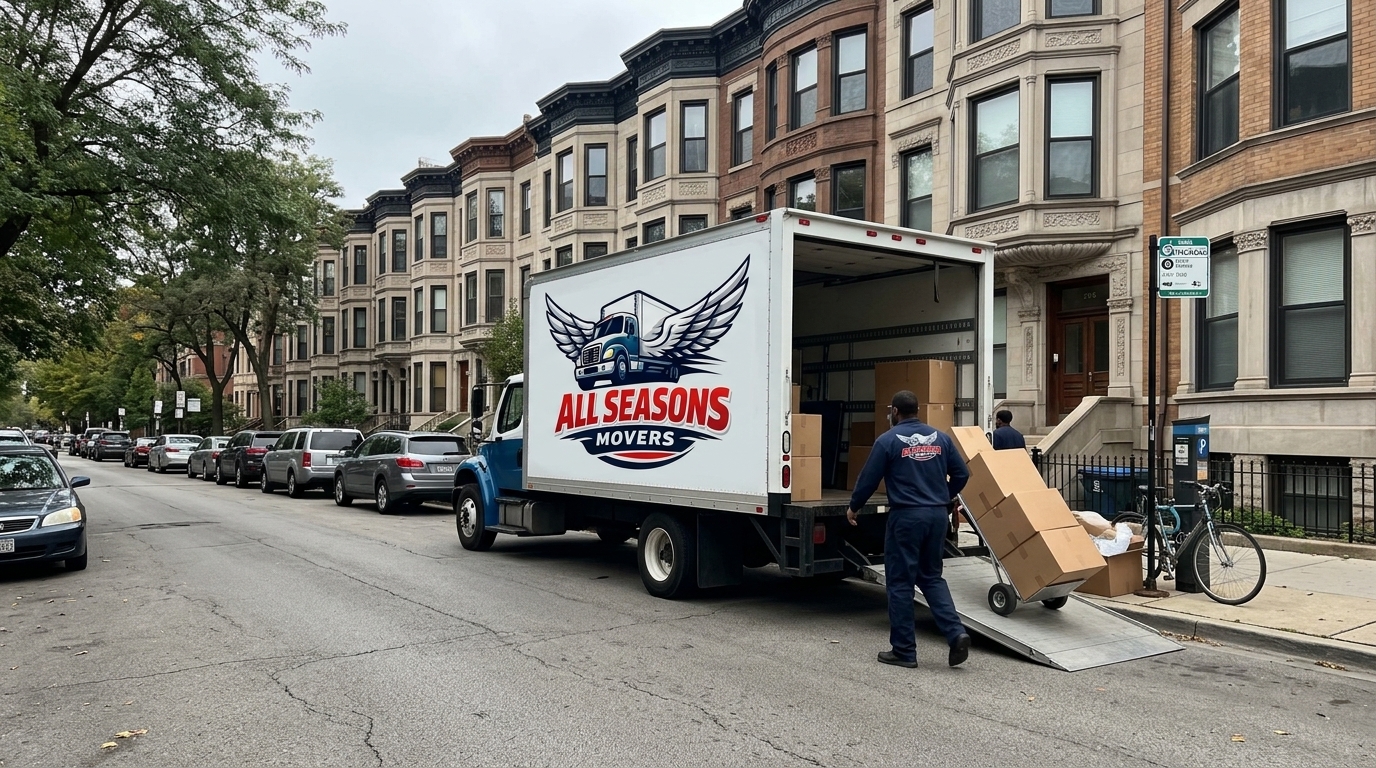
The city itself. Neighborhoods like Lincoln Park, West Loop, and Logan Square, where street parking and building access are the main challenges.
North Shore suburbs. Evanston, Wilmette, Skokie, and similar areas, often longer drive times from a company's home base.
West and southwest suburbs. Naperville, Oak Park, Orland Park, and others, sometimes charged as "out of area" by companies based downtown.
Collar counties. DuPage, Lake, and Will County addresses, which some Chicago movers simply won't quote accurately because they rarely go there.
Knowing which zone you're in tells you exactly what to ask a mover before you book.
Directory Site vs Real Local Company
This is the distinction almost nobody explains clearly.
Directory and lead gen sites collect your information and forward it to whichever mover bids on the job. You often don't know who's actually showing up until a day or two before your move.
A real local company owns its trucks, employs its crew, and can tell you exactly who's coming and what they've handled before in your specific neighborhood.
Neither approach is inherently wrong, but if you value knowing exactly who's touching your belongings, going directly to a company that operates its own crews in the Chicago area is the safer bet.
The Licensing Detail Almost Everyone Skips
Illinois movers are required to hold an ILCC license through the Illinois Commerce Commission for any move within the state. This single detail separates legitimate movers from unlicensed operators who advertise cheap rates and disappear the moment something goes wrong.
Before booking anyone claiming to serve the Chicago area, ask directly if they're ILCC licensed and insured. A legitimate company will have this answer ready without hesitation.

Travel Fees: The Surprise Nobody Warns You About
Here's something that catches a lot of suburb movers off guard. A company based in the city may quote a great hourly rate, then add a travel fee once they find out your move starts or ends thirty minutes outside downtown.
Ask these two questions before you confirm a booking.
Is there a travel fee for my specific suburb, and is it included in this quote?
Does the rate change if my move crosses from the city into a collar county?
A transparent mover will answer both without dodging, and the quote you get up front should be the number you actually pay.
How to Actually Compare Chicago Area Movers
Skip the star rating for a second and look at these instead.
Do they name your specific suburb or neighborhood, or just say "Chicagoland" in general terms?
Do they own their trucks and employ their crew, or subcontract to whoever's available that day?
Is pricing itemized, or one vague hourly number with no mention of fees?
Can they confirm a same day or short notice slot if your suburb move comes together fast?
Companies that can answer all four clearly are worth a real conversation. The ones that dodge specifics usually have a reason to.

Questions Worth Asking Before You Hand Over a Deposit
Are you ILCC licensed for moves within Illinois?
Do you charge extra for suburbs outside the city limits?
Will the same crew that gives me the quote be the crew that shows up?
What happens if my move runs longer than expected?
Is there a cancellation or rescheduling fee if my closing date shifts?
These five questions filter out the guesswork fast, and any company confident in its service will walk you through each one without a script.
Why This Matters More Than It Seems
A move across the Chicago area isn't just about distance, it's about whether the company you hire actually knows your building, your street, and your specific suburb well enough to plan around it. Parking permits in Lincoln Park work differently than loading docks in Naperville. A crew that's done both knows the difference before they arrive.
If you're comparing movers across the city and suburbs right now, the fastest way to cut through the noise is to talk to a company directly instead of waiting on a directory site to forward your info to a stranger. You can get a straightforward quote built around your actual address, not a generic Chicagoland estimate.
The Chicago area is big, and not every mover covers it the same way. Know what you're actually booking, and moving day stops being a gamble.