












Move Chicago: The Local Rules Most Moving Guides Skip
How to Move Chicago Without the Headaches: The Local Rules Most Guides Skip
Every Chicago move has a moment where the plan meets reality. The truck cannot park near the door, the building wants an insurance certificate you never heard of, or a January gust turns your sofa into a sail. Most guides talk about neighborhoods and rent. This one covers what actually decides whether moving day runs smoothly or falls apart.
If you want a crew that already knows these hurdles, All Seasons Movers handles them every week across the city and suburbs.

Why Moving in Chicago Is Different
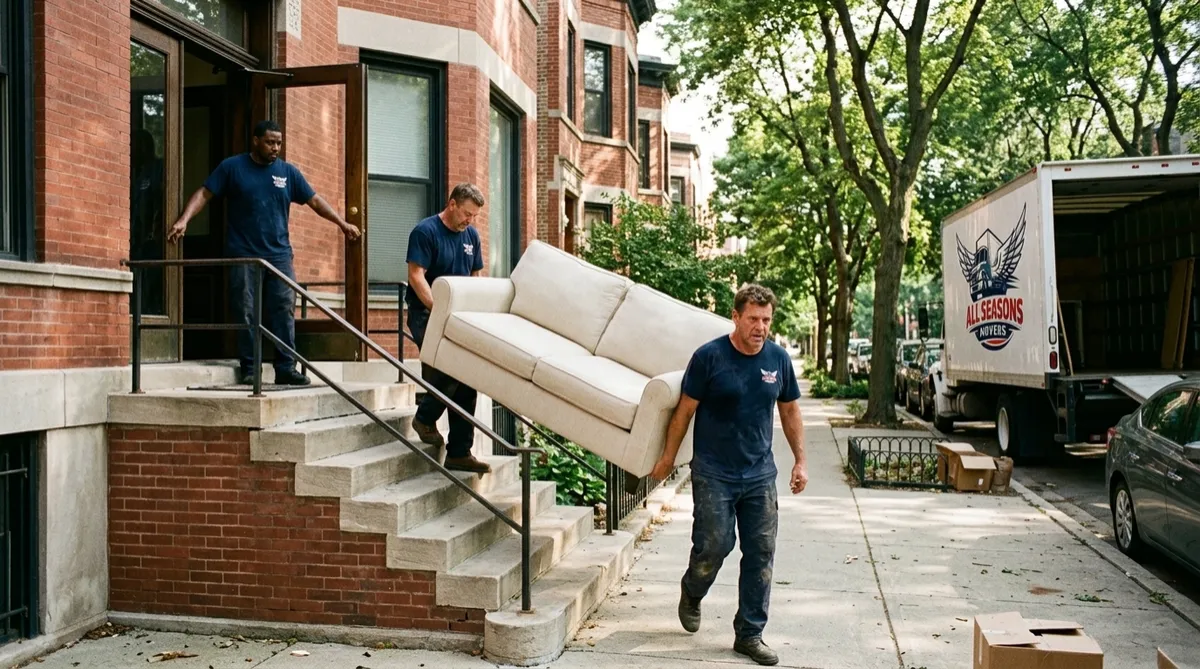
A move across Chicago is not like a move across a quiet town. You deal with tight streets, alley access, permit rules, high rises with strict schedules, and weather that changes within a week. Plan for these four realities first:
Parking is limited, and blocking a lane can bring tickets.
Many buildings require booked elevator time.
Stairs in older walkups add hours to the job.
Seasons shape both pricing and stress.
Pick the Right Timing Before You Pick a Neighborhood
Chicago leases cluster around the first of the month, and summer is the busiest stretch. Everyone wants the same Saturday, so crews book early and rates climb.
The Best Windows to Move
Midweek, mid month moves usually cost less and offer more flexible arrival times. Late September and October bring mild temperatures and fewer competing bookings. Winter moves can save money, but you must protect floors, doorways, and fragile items from ice and slush.
Dates to Avoid
Holiday weekends, the last weekend of any month, and the first days of summer fill up fast. If you cannot avoid them, book at least four weeks ahead.
The Building Paperwork Nobody Mentions
This is the gap in most competing articles. Before a single box leaves the apartment, check with both your old and new buildings.
Ask whether a certificate of insurance is required from your mover.
Reserve the freight elevator or loading dock, often for a set window.
Confirm moving hours, since many buildings stop moves in the evening.
Ask about protective padding rules for halls and lobbies.
Find out where the truck is allowed to stop.
A reputable mover can supply the insurance paperwork quickly, so ask for it the moment you book.
What a Chicago Move Really Costs
Pricing depends on crew size, hours, distance, and difficulty. A small apartment with an easy elevator is very different from a three bedroom home with a long carry and a steep staircase.
What Pushes the Price Up
Stairs, long walks from truck to door, oversized furniture, and delays caused by building rules all add time. Time is the main cost in a local move, so anything that slows the crew costs you money.
How to Keep It Reasonable
Pack before the crew arrives, label every box by room, and clear a path from each door to the street. Disassemble beds and bookcases when possible. Ask for a written estimate that explains hourly rates, travel time, and any extra fees, so nothing surprises you later.

Your Moving Day Timeline for Chicago
Here is a simple schedule that keeps things calm.
Two Weeks Out
Book your movers, reserve elevators, and request parking help if your street needs it. Start using up food and cleaning supplies you do not want to carry.
The Week Before
Pack everything except daily essentials. Photograph electronics before unplugging them. Set aside documents, medicine, chargers, and valuables to travel with you.
Moving Day Morning
Be present when the crew arrives. Walk them through fragile items, point out tight turns, and confirm the destination address and floor. A five minute walkthrough prevents hours of confusion.
Arrival at the New Place
Show the crew where each room is, place furniture where you want it, and check that nothing was damaged before they leave.
Moving Between Chicago and Its Suburbs
Many people move from city apartments to suburban homes, or the other way around. Each direction has its own trouble. Leaving the city often means a long drive in traffic and a bigger home to fill. Coming in means stairs, tight access, and fewer parking choices. Tell your mover which direction you are going so they can send the right truck and crew size. This detail often decides how long the job takes and how much you pay.
Smart Packing for Chicago Moves
Chicago buildings often mean long carries, so box weight matters. Keep heavy items like books in small boxes and fill larger boxes with lighter things such as linens. Use sturdy tape and wrap glassware individually. If you live in a walkup, mention it when you book, since extra stairs change the crew size and time needed. Keep a small bag with tools, toilet paper, bedding, and phone chargers so your first night feels comfortable instead of chaotic.
Protect Your Belongings From Chicago Weather
Wind, rain, and snow can damage furniture in seconds. Ask your movers about floor runners, mattress covers, and furniture blankets. In winter, keep walkways salted and clear so the crew can move safely and quickly. In summer, plan breaks and water for everyone, because heat slows a job and tires a team.

How to Choose Movers You Can Trust
Look past the lowest price. A cheap quote that grows on moving day is not a bargain.
Confirm the company is licensed and insured.
Read recent reviews for patterns about punctuality and care.
Ask whether the crew members are employees or temporary labor.
Request a clear written estimate.
Ask how they handle damage claims.
Good movers answer these questions without hesitation.
Final Thoughts Before You Move Chicago
A smooth move comes down to timing, paperwork, and the right team. Handle the building rules early, pack with a plan, and protect your belongings from the weather. When you are ready for help from people who know the city street by street, request your free moving quote today and let a trusted crew carry the weight from start to finish.