







































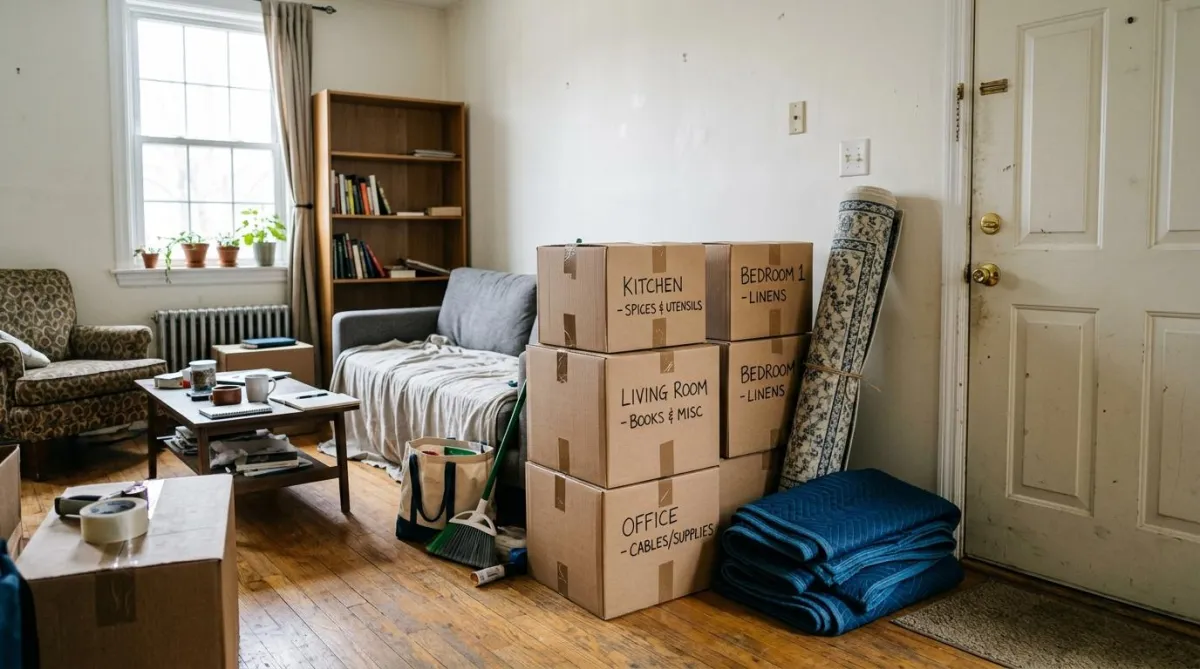
Local Moving Tips In Chicago: All You Need To Know
Local Moving Tips in Chicago: A Realistic Plan for a Smooth Move Day
Every Chicagoan who has moved apartments or houses knows the city throws its own curveballs into the process. Narrow alleys, permit rules, unpredictable weather, and streets that turn into obstacle courses on move day are things a generic moving checklist from a national blog will never mention. If you are searching for local moving tips that actually apply to Chicago, not just moving in general, this guide walks through the timeline, logistics, and small decisions that make the biggest difference on the actual day.
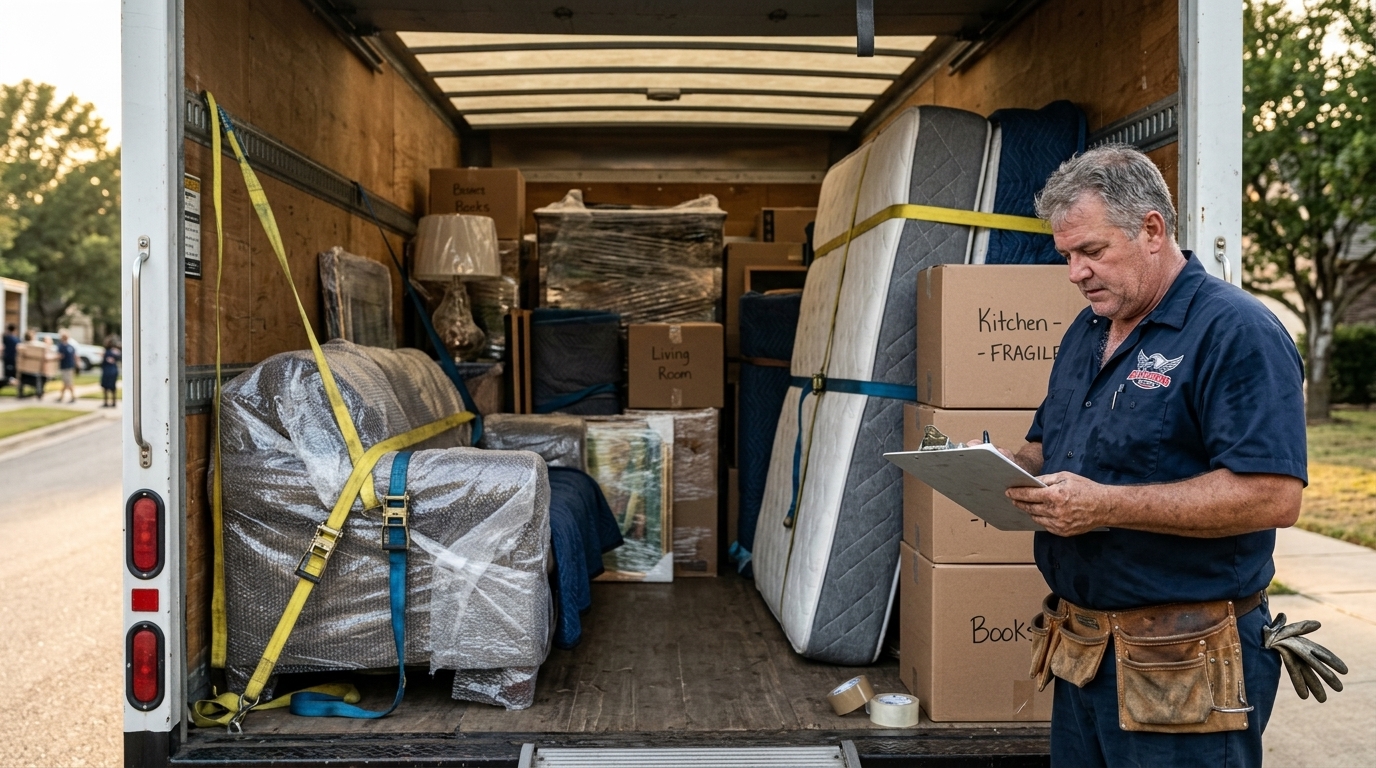
Start With a Realistic Timeline, Not Just a Checklist
Most moving guides hand you a list of tasks with no sense of when to do them. In Chicago, timing matters just as much as the tasks themselves.
Six to eight weeks out, start researching movers and requesting quotes. If you are moving into a high rise or a building with a doorman, this is also the time to ask your new building's management about their certificate of insurance requirements and any reserved elevator windows, since many Chicago buildings will not let a moving company through the door without paperwork submitted in advance.
Three to four weeks out, begin sorting and decluttering. Chicago has strong donation infrastructure through organizations like local Goodwill and Salvation Army locations, so anything you are not taking can usually be dropped off within a short drive rather than sitting in storage.
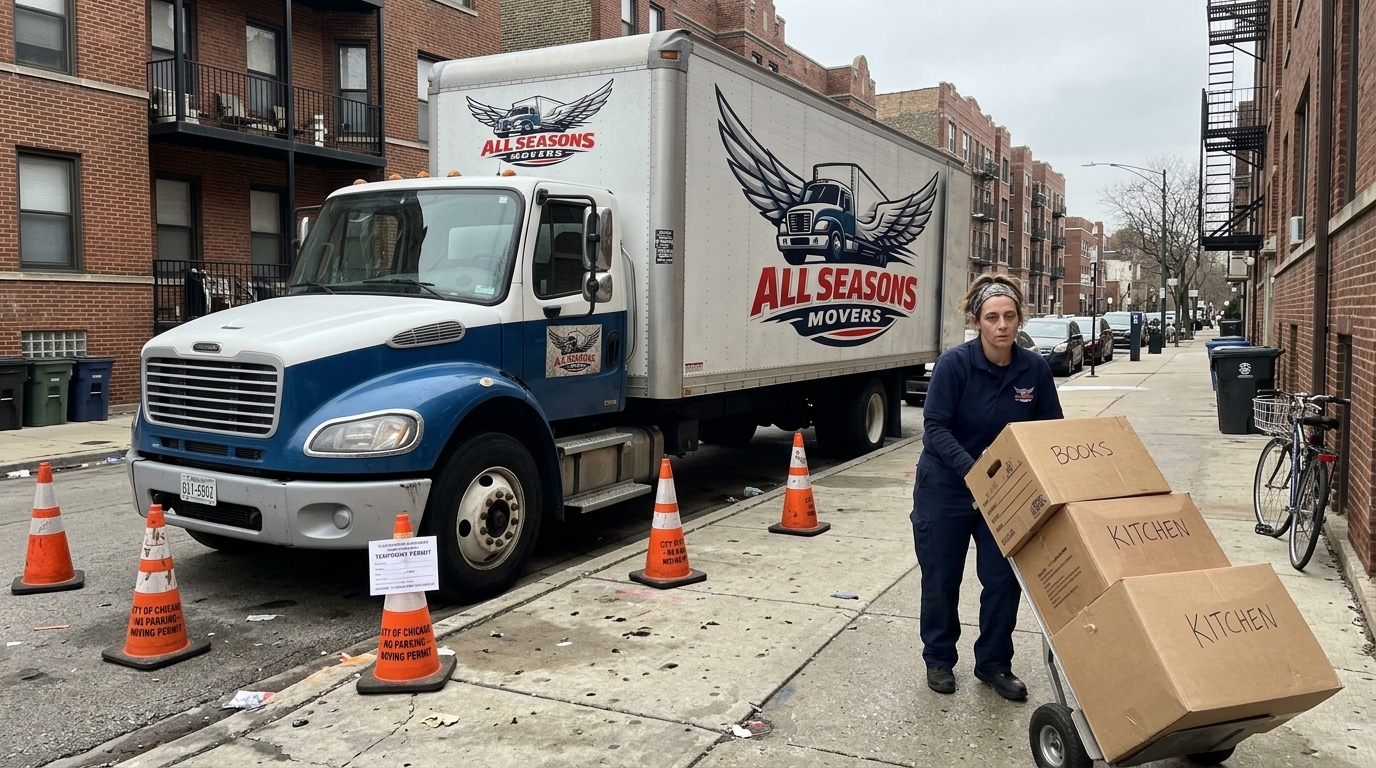
One to two weeks out, apply for a residential parking permit if you live in a neighborhood with alternate side parking or metered streets. The City of Chicago requires temporary no parking signage for moving trucks in most dense areas, and this step gets missed constantly, leading to move day delays when the truck cannot get close to the door.
The final few days, confirm arrival windows, pack an essentials box, and walk through your unit one more time to check closets, cabinets, and any storage units in the basement or garage that are easy to forget.
Chicago Specific Logistics Most Guides Skip
Anyone can tell you to label your boxes. What actually saves time and money on a Chicago move comes down to a few local realities.
Alley access matters more than curb access. A lot of Chicago two flats and courtyard buildings load from the back alley rather than the street. Confirm this with your moving company ahead of time so the right size truck is sent, since a truck that cannot fit down a narrow alley turns into wasted hours.
Street cleaning and construction schedules change weekly. Even with a parking permit, temporary signs for street cleaning or nearby construction can eliminate your reserved space overnight. A quick check the evening before move day prevents a scramble.
Elevator reservations run on their own clock. High rises in neighborhoods like Streeterville, the Loop, and Lakeview often limit moving elevator use to specific two or three hour blocks. Booking your movers around that window, not the other way around, keeps everything on schedule.
Weather changes the plan fast. Chicago winters bring ice on stairs and ramps, and summer heat makes hydration and pacing important for anyone doing heavy lifting themselves. Local movers who work through all four seasons know how to adjust for both.
Deciding Between Full Service, Labor Only, or DIY
Not every local move needs the same level of help, and being honest about your situation saves money.
A full service move makes sense for larger households, anyone short on time, or moves involving stairs, elevators, or long carries from the truck to the door. A labor only option, where you rent a truck but hire help for loading and unloading, works well for smaller moves on a tighter budget. A fully independent move can work for a studio or one bedroom with a short distance and a friend or two willing to help, though it is worth weighing the physical toll against the modest savings.
Whichever route fits, getting a written estimate ahead of time avoids the surprise charges that show up with vague hourly quotes. You can request a straightforward, no pressure estimate through All Seasons Movers and get a real number based on your unit size, building type, and moving date before committing to anything.

Packing Smart for a Local Move
Since local moves are shorter in distance, it is tempting to pack carelessly. Resist that. Boxes still shift, get stacked, and sit in a truck for an hour or more.
Use medium sized boxes for heavy items like books, since oversized boxes packed too full become difficult to carry and more likely to break. Keep a clearly labeled box of essentials, including chargers, toiletries, and any medication, so you are not digging through ten boxes the first night in a new place. Wrap fragile items individually rather than layering them loosely, and leave a little padding at the top of each box so nothing shifts during transport.
Booking the Right Local Company
Chicago has no shortage of moving companies, but local knowledge is what separates a smooth move from a stressful one. A company based in the city understands building rules, alley access, permit requirements, and seasonal timing in a way a national broker simply does not. With 25 years serving the Chicago area, a company like All Seasons Movers has handled the walk ups, the high rises, and everything in between, which means fewer surprises on your specific move day.
Frequently Asked Questions
Do I need a parking permit for a local move in Chicago?
In most residential areas, yes. The city requires a temporary parking permit for moving trucks, and your moving company can often help arrange it in advance.
How far ahead should I book local movers in Chicago?
Booking three to four weeks ahead is ideal, especially for weekend dates or moves during the busier summer months, though many companies can accommodate shorter notice.
What is the cheapest time of year to move locally in Chicago?
Winter months typically have lower demand and more flexible scheduling, which can mean better pricing compared to the busy summer season.
Should I hire full service movers or do it myself for a local move?
It depends on your unit size, physical ability, and timeline. Full service makes sense for larger homes or buildings with stairs and elevators, while labor only or DIY can work for smaller, shorter distance moves.
A local move in Chicago comes with its own rhythm once you know what to expect. Planning around permits, elevator windows, and realistic timing turns a stressful day into a manageable one. When you are ready to lock in a date, All Seasons Movers can walk you through a clear estimate built around your building and your schedule.