












Local Movers in Chicago: An Hour by Hour Moving Day Guide
Local Movers in Chicago: What Your Moving Day Really Looks Like
Hiring local movers in Chicago sounds simple until the clock starts running. Hourly billing, tight stairwells, and lake effect weather all shape how long your move takes and what you pay. Instead of another generic checklist, this guide walks you through the day itself, hour by hour, so you know exactly what to expect and where you can save time.
What Counts as a Local Move in Chicago
A local move usually means a trip within the city or to nearby suburbs, and it is almost always billed by the hour rather than by weight. Your bill reflects crew size, truck, and total time, including the drive between locations. That is why the same three bedroom apartment can cost very different amounts depending on who carries what, and how well the day is organized.
Your Moving Day, Hour by Hour
Hour One: Arrival and Walkthrough
The crew arrives, meets you, and walks through every room. This is the moment to point out fragile pieces, items that stay, and anything that needs special wrapping. A clear walkthrough prevents mistakes later and keeps the movers from guessing.
Hours Two to Four: Loading
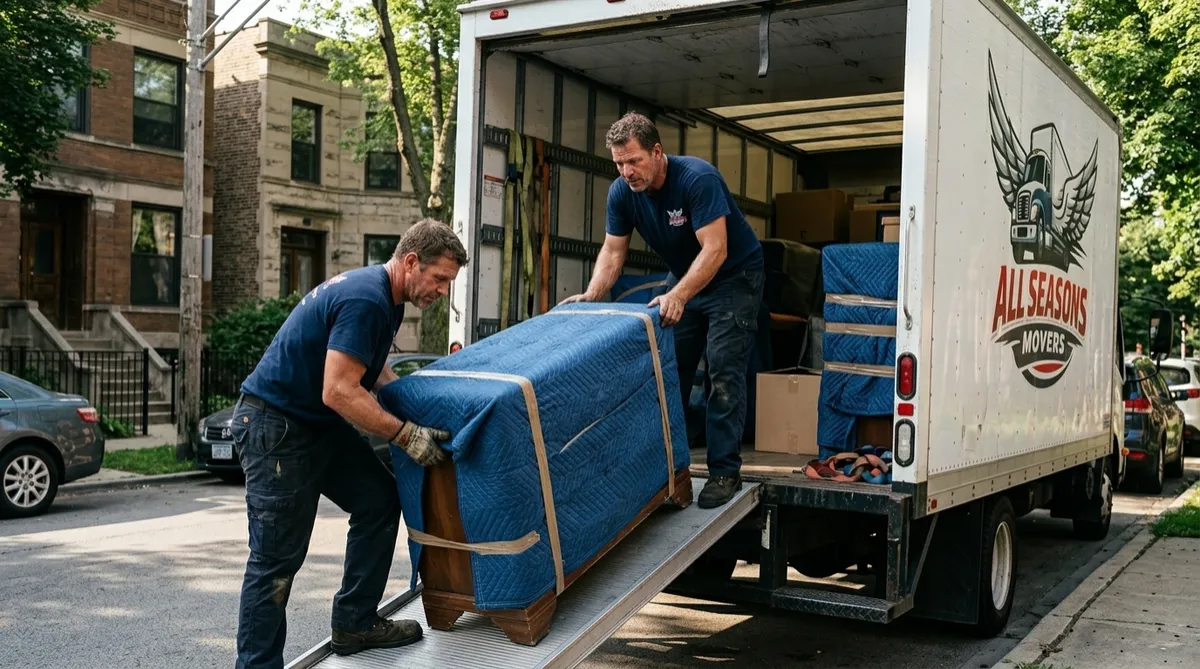
Furniture gets padded, shrink wrapped, and carried out in a planned order. Heavy items go in first, boxes fill the gaps, and mattresses ride on the sides. A well loaded truck is safer on Chicago potholes and makes unloading faster.
The Drive and the Unload
Travel time between addresses is part of the job, so Lake Shore Drive traffic or a Dan Ryan slowdown can affect your total. After arrival, the crew places furniture where you want it, reassembles beds and tables, and removes packing material.

Neighborhood by Neighborhood: What Changes
Not every Chicago address moves the same way. Here is how common building types affect the plan.
Walk up apartments in Lincoln Park and Logan Square: Narrow stairs mean more carrying time, so ask about crew size and stair fees.
High rises in the Loop and River North: Elevator reservations, loading docks, and insurance certificates often decide your start time.
Greystones and bungalows in Bridgeport and Beverly: Basements and porches add extra carrying, so mention storage areas upfront.
Condos near the lakefront: Strict move in hours often limit you to a short window, so confirm timing with your association.

How to Keep the Clock Working for You
Since local moves run on time, preparation is your best discount. Small habits save real money.
Finish packing before arrival, because crews who wait on you still bill by the hour. Skip disassembling furniture you are unsure about, since trained movers handle it faster. Clear hallways, tape down loose rugs, and set aside parking close to your door. Keep keys, medication, and chargers in a bag that stays with you.
Parking, Permits, and Winter Surprises
Street parking is the most overlooked part of a Chicago move. Long carries from a far parked truck add hours to the bill. Request a moving permit from the city early where required, and ask your mover about a backup plan. In winter, icy steps and snow banks can slow a crew, so shovel and salt your entrance the night before.
Questions Only Local Movers Can Answer Well
A company that truly knows Chicago can answer specifics. Ask these on your first call:
What is your minimum number of hours?
Is travel time between addresses billed?
Do you charge extra for stairs or long carries?

Seasonal Timing for Local Moves
Summer is busy because leases end and families time moves around school. Weekends and the first and last days of the month book fast. If you can, choose a midweek date in spring or fall for better availability and calmer streets. Winter moves cost less in many cases, but they need extra planning for weather.
Protecting Your Belongings and Your Building
Good local crews protect more than furniture. They lay floor runners, wrap banisters, pad door frames, and use blankets on every piece. Ask to see how they secure items on the truck. A short ride across town still involves turns and stops, so straps and tight packing matter.
When You Need a Move on Short Notice
Plans change, and Chicago leases do not always line up neatly. If you are moving within days, call early in the morning, be flexible about start time, and have your inventory ready. Send photos of large items and describe stairs and parking clearly. The more detail a dispatcher has, the faster they can match you with the right crew and truck.
The Day Before Your Move
The day before, confirm your arrival window and crew size. Reserve elevators, docks, or street space at both addresses. Label every box by room, mark fragile items clearly, and pack a first night bag with essentials and valuables.
Three Mistakes That Stretch Your Bill
1. Underestimating Your Belongings
Most people own more than they think. Walk through closets, garages, and storage areas, then count what you really have so the crew size and truck fit the job.
2. Forgetting Access Details
A blocked driveway, a broken elevator, or a locked gate can burn paid minutes. Share access codes and contact numbers ahead of time.
3. Leaving Last Minute Tasks
Cleaning, cancelling utilities, and final trash runs belong before the crew arrives or after they leave, not during loading hours.
Ready to Book Local Movers in Chicago?
A local move goes well when you understand the clock, the building, and the street. Plan your timing, share every access detail, and choose a crew that explains its process clearly instead of dodging questions. With preparation, an hourly move becomes predictable, and your moving day feels far more manageable.
If you want a team that knows Chicago streets and respects your time, contact All Seasons Movers for a clear quote today. Our crews handle stairs, high rises, and tight parking every week, so your move starts smoothly and finishes on schedule. Your next move deserves a calm, confident start.