












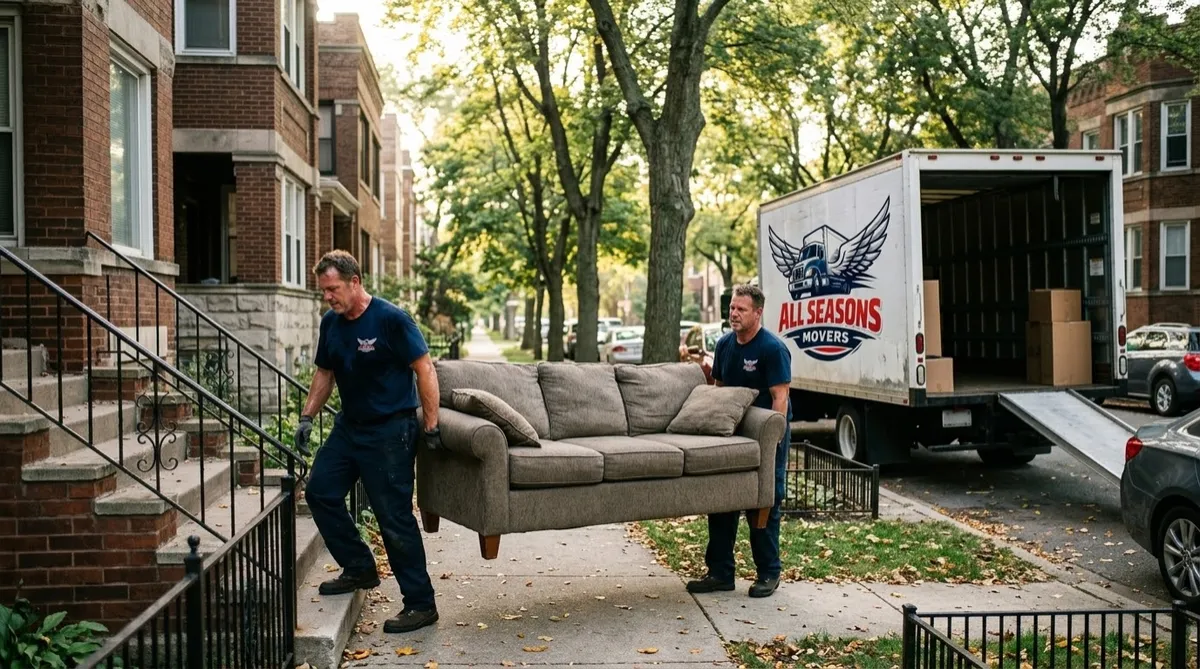
Local Movers Chicago Illinois: How to Hire the Right Crew
Local Movers Chicago Illinois: How to Hire the Right Crew Without Surprises
Moving in Chicago is its own kind of challenge. Between narrow alleys in Lakeview, third floor walkups in Logan Square, downtown elevator reservations, and winter wind that cuts through every coat, a move here takes real planning. Searching for local movers Chicago Illinois takes ten seconds. Finding a crew that arrives on time, protects your furniture, and charges what they quoted takes more effort. This guide shows you how to do it, whether you are moving a studio or a five bedroom home.
What Counts as a Local Move in Illinois?
Most movers treat a move within roughly 50 miles as local, which covers Chicago and nearly all surrounding suburbs. Local moves are usually billed by the hour, while long distance moves are billed by weight and mileage. Knowing this early helps you compare quotes fairly, because an hourly quote and a flat quote are not the same product.
Why Chicago Moves Are Different
Three local factors catch people off guard:
Building rules. Many condos and high rises require a certificate of insurance, a reserved elevator, and set move hours.
Parking. On busy streets, a truck needs a legal loading spot, and sometimes a permit. Ask your mover how they handle it.
Weather. Ice in January and heat in July both slow a crew down, so build extra time into your schedule.

What Local Movers in Chicago Charge
Most companies bill hourly based on crew size and truck. Rather than chasing the lowest number, understand what drives it.
What Moves Your Price
Crew size and truck size
Total hours, including travel time between addresses
Stairs, long carries, and elevator waits
Specialty items like pianos or safes
Packing materials and packing labor
Pro tip: ask whether the clock starts at your door or when the truck leaves the office. That one question can change your final bill.
Seven Questions to Ask Before You Book
Call at least three companies and ask each of them these:
Are you licensed and insured, and can I see proof?
Is your quote hourly, flat, or an estimate?
Will you do a walkthrough, in person or by video?
How many movers and what size truck will you send?
Are fuel, stairs, and wrapping included?
What happens if something is damaged?
Can you put everything in writing?

Red Flags That Should Make You Walk Away
If you notice any of these, keep looking:
• A large cash deposit demanded upfront
• A quote given over the phone without asking what you own
• Unmarked trucks or no company name on paperwork
• No local address and no reviews
• Pressure to sign immediately
The Angle Most Guides Skip: Your Moving Timeline
Competitors focus on price. Few tell you when to do what, and that is where stress sneaks in.
Four Weeks Out
Book your movers, declutter, and request any building paperwork. Peak season runs from May through September, and weekends fill first.
One Week Out
Pack nonessentials, label every box by room, and confirm your arrival window. Set aside medications, chargers, and documents to carry yourself.
Moving Day
Walk the crew through your home, point out fragile items, and keep walkways clear. Do a final sweep of closets and cabinets before the truck leaves.

Save Money Without Cutting Corners
Smart savings come from preparation, not from hiring the cheapest crew.
Move on a weekday or mid month when demand is lower.
Disassemble beds and tables ahead of time.
Pack boxes fully so the crew is not moving air.
Reserve elevators and parking early to avoid idle hours.
Donate or sell what you no longer need.
Chicago Suburbs Add Their Own Twist
Moving to or from Naperville, Evanston, Oak Park, or Schaumburg often means longer drive times and different building or HOA rules. Ask whether travel time is billed, and confirm access details with both locations before moving day.
How All Seasons Movers Helps
At All Seasons Movers, our crews handle local moves across Chicago and the suburbs with careful wrapping, honest communication, and a clear plan for every job. Whether you live in a high rise, a bungalow, or a suburban townhome, you can request a quote from our team and get answers before you commit.
Common Mistakes First Time Local Movers Make
Choosing on price alone. A low hourly rate with slow crews or hidden fees often costs more than a fair rate with an efficient team.
Skipping the inventory. If you forget the garage, basement, or storage unit, your estimate will be wrong.
Booking late. Last minute requests limit your options and often cost more.
Ignoring valuation coverage. Basic protection usually covers far less than an item is worth, so ask about your options.
Quick Answers to Common Questions
How far ahead should I book?
Four to six weeks is ideal, and earlier for summer or month end dates.
Do I need to tip my movers?
Tipping is optional but appreciated for a hard job. Many customers offer cash or cover lunch for the crew.
Can movers pack for me?
Yes. Full or partial packing saves time, especially for kitchens, artwork, and electronics. Packing a few boxes yourself and leaving fragile items to professionals is a popular balance.
Final Thoughts
Hiring local movers in Chicago does not have to feel risky. Start by understanding how hourly pricing works, ask direct questions, and watch for red flags before you hand over a deposit. Build a timeline that gives you room for weather, parking, and building rules. Then choose a crew that explains everything clearly and treats your belongings like their own. A good move is rarely about luck. It is about preparation, communication, and the right people carrying the right boxes. Take the time now, and moving day will feel far more like a fresh start than a stressful scramble. Your new place is waiting, so get your quote requested and start planning with confidence today. Happy moving!