







































How to Rent an Apartment in Chicago | All Seasons Movers
How to Rent an Apartment in Chicago: The Honest Guide Nobody Gives You Before You Move
Chicago is one of the most exciting cities in the country to live in. Great food, real neighborhoods with actual character, solid transit, and a lakefront that makes you forget you're in the Midwest for about four months of the year.
But renting here? That's a skill. And if you walk in without knowing the rules, you'll either lose the apartment you wanted or end up signing a lease you'll regret by February.
This is the guide your Chicago friend would have given you — if you had one. Let's get into it.
Is It Hard to Rent an Apartment in Chicago?
Short answer: not if you know what you're doing.
Longer answer: it depends heavily on the neighborhood, the price range, and the time of year. Is it hard to rent an apartment in Chicago compared to New York or San Francisco? Not really. Is it harder than renting in a smaller city? Absolutely.
Here's what makes Chicago competitive:
The best apartments in desirable neighborhoods (Lincoln Park, Wicker Park, Logan Square, Lakeview) get snapped up fast — sometimes within 24–48 hours of listing
Most landlords require a solid credit score (usually 620+, many prefer 680+)
You'll typically need proof of income at 3x the monthly rent
Background checks are standard
Many buildings require first month, last month, AND a security deposit upfront
None of that is impossible. It just means you need to be prepared before you start looking, not while you're already looking.
Step 1: Know Your Budget Before You Know Your Neighborhood
This is the step most people skip, and it's the one that creates the most problems.
Chicago rent varies wildly by neighborhood. Here's a ballpark as of recent averages:
The 30% rule: Your rent shouldn't exceed 30% of your gross monthly income. Most landlords require you earn 3x the rent — so if you're eyeing a $1,600/month apartment, you need to show $4,800/month in gross income.
Figure out your number first. Then pick your neighborhoods.
Step 2: Understand How Chicago's Rental Market Actually Works
Chicago rents on a 12-month lease cycle, and the market is extremely seasonal. This is something newcomers almost never know:
Spring (March–June) = Peak season. The most listings, the most competition, the highest prices. If you're moving during this window, be ready to move fast.
Summer (July–August) = Still busy. Lots of turnover, slightly less competition than spring, but prices are still up.
Fall/Winter (September–February) = Your sweet spot. Fewer people moving = more negotiating power. Landlords are more likely to offer concessions like a free month of rent or waived fees. Prices often dip 5–15% on identical units.
If you have any flexibility on when you move to Chicago, a fall or winter move will almost always give you more apartment for your money.
Step 3: Build Your Rental Application Package Now
This is the #1 thing that separates people who get the apartment from people who lose it to someone else. In competitive Chicago buildings, landlords pick from multiple applicants — and they pick whoever is most prepared.
Have all of this ready before you start touring:
✅ Government-issued photo ID
✅ Last 2–3 pay stubs OR 2 years of tax returns (if self-employed)
✅ Employer contact info for verification
✅ Last 3 months of bank statements
✅ Previous landlord references with contact info
✅ Credit report (pull yours at annualcreditreport.com before landlords do — no surprises)
✅ Personal references (2–3, not family members)
Some buildings also require a letter of employment or an offer letter if you're relocating for a job. Have that handy too.
When you find an apartment you love, you want to be able to say "I have everything ready right now." That alone puts you ahead of most applicants.
Step 4: Know What to Look For During Tours (The Stuff Nobody Mentions)
Anyone can spot a nice kitchen. Here's what the experienced Chicago renter checks:
Water pressure and heat. Run the shower. Turn on the kitchen faucet. In older Chicago buildings (and there are a lot of them), these can be real issues.
Radiator heat vs. forced air. Many vintage Chicago apartments use radiators. They work great but you don't control the temperature as precisely. Find out who controls the heat — landlord or you.
Cell signal in the unit. Sounds minor until you're on a work call in your bedroom with no bars.
Basement and common areas. The condition of shared spaces tells you a lot about how a building is managed.
Parking situation. Street parking in Chicago is competitive and seasonal. If you have a car, factor in the cost of a parking spot ($100–$250/month in many neighborhoods) or a city parking permit.
What's included in rent. Heat? Water? Trash? Internet? The gap between what's included and what's not can easily add $150–$300/month to your actual housing cost.
Step 5: Read the Lease Like Your Money Depends on It (It Does)

Chicago has some tenant-friendly laws, but that doesn't mean every lease is written in your favor. Before you sign anything, check for:
Early termination clause — What happens if you need to leave before the lease ends?
Subletting policy — Are you allowed to sublet? Under what conditions?
Rent increase notice — How much notice are they required to give before raising rent?
Guest policy — Some leases have restrictions that are stricter than you'd expect
Pet policy — Even if they say "pet friendly," read the deposit and fee structure
Renewal terms — Does it auto-renew? At what rate?
If anything is unclear, ask. A landlord who gets annoyed when you ask questions about the lease is a landlord you do not want.
Step 6: Know How to Move in Chicago Once You've Signed
Getting the apartment is only half the story. Actually moving in is where people run into a whole new set of surprises — especially in Chicago.
Building move-in rules are strict here. Most Chicago apartment buildings require you to:
Reserve the freight elevator in advance (sometimes weeks out)
Get a Certificate of Insurance (COI) from your moving company before they'll let movers enter the building
Move only during specific hours (usually 8am–5pm on weekdays)
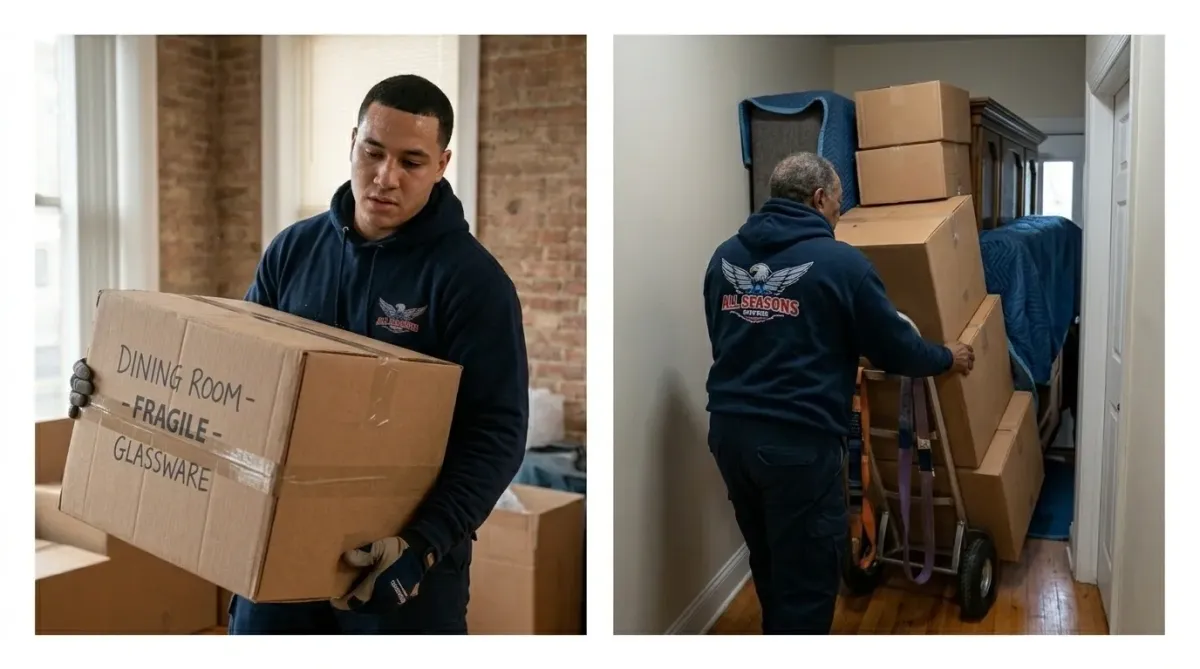
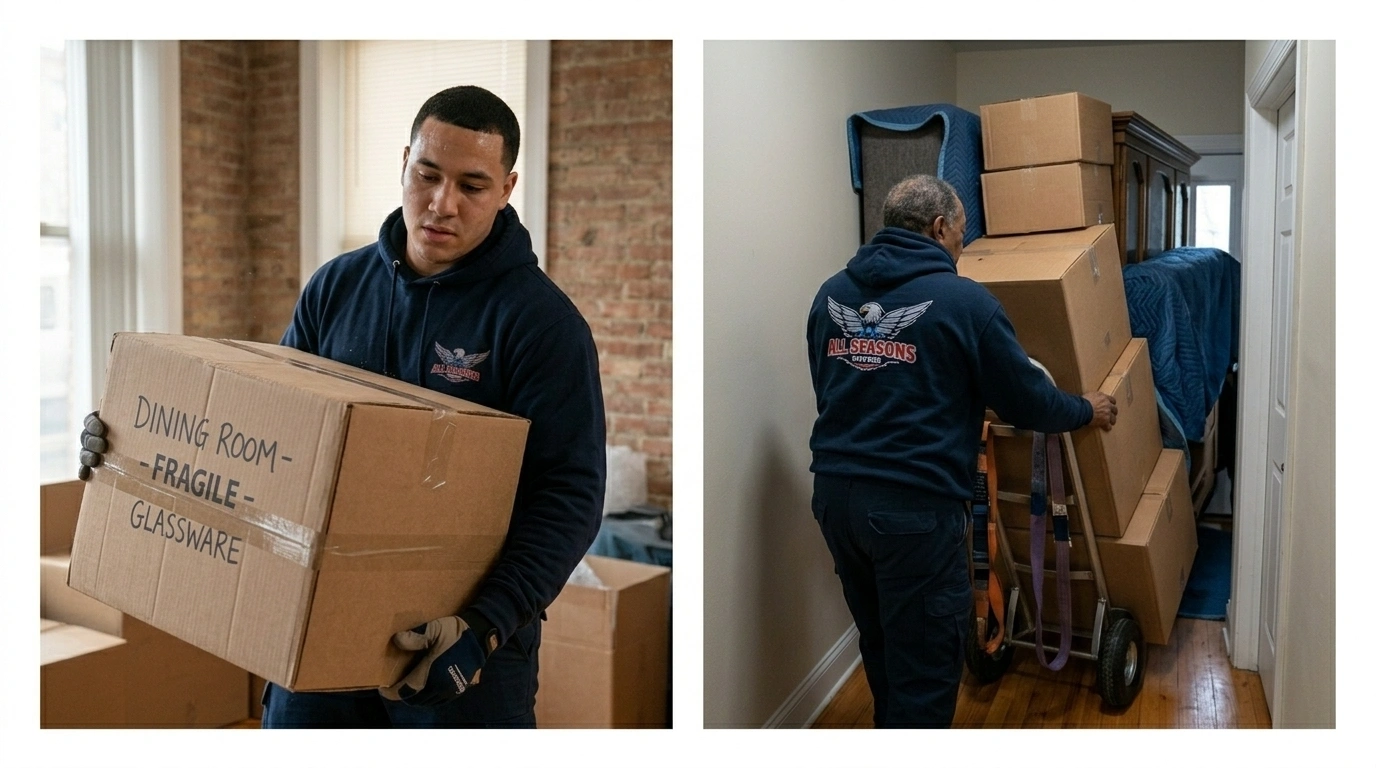
This is exactly why knowing how to move in Chicago means knowing to hire the right movers. Professional chicago apartment movers are familiar with building requirements, carry the right insurance, and can provide COIs quickly — which amateur movers or rented trucks cannot.
Plan your move-in date carefully. If you're moving at the end of the month — especially May 31, June 30, or July 31 — every mover in the city is booked. Reserve your movers the moment you sign your lease, not the week before.
The Renting-in-Chicago Checklist: Quick Version
Before you sign a lease in Chicago, make sure you can check every one of these:
✅ Rent is under 30% of your gross monthly income
✅ You have all application documents ready before touring
✅ You've checked the neighborhood for transit, parking, and walkability
✅ You've run the taps, checked cell signal, and toured in daylight
✅ You've read the full lease and understand every clause
✅ You know the building's move-in rules and have movers booked
One Last Thing: Your Move Into Chicago Is a Big Deal — Treat It That Way
Whether you're relocating from across the country or just crossing town, a Chicago apartment move has more moving parts than most people expect. The city is dense, buildings have rules, and things go sideways when you're not prepared.
That's where All Seasons Movers comes in. We're experienced chicago apartment movers who know how Chicago buildings work — from COI requirements to freight elevator bookings to parking logistics on narrow city streets. We handle the move so you can focus on the 47 other things on your new-apartment checklist.