









How to Pack Silverware for Moving Without Losing a Fork
How to Pack Silverware for Moving Without Losing a Single Fork (Or Stabbing Anyone)
Silverware is small, cheap, and easy to replace, so it's usually the last thing on anyone's packing list. And yet it's also the thing people lose track of most. Forks end up loose in random boxes. Knives get wrapped so carelessly they slice through paper on moving day. And somehow, no matter how carefully you pack, you always seem to unpack with three spoons and zero teaspoons.
Here's the good news: learning how to pack silverware for moving properly takes about ten minutes and barely any supplies. You probably already own everything you need. Below is a method that keeps your sets together, keeps your movers safe, and gets your silverware drawer back to normal on day one in the new place.
Why Silverware Packing Trips People Up
Most kitchen packing guides treat silverware like an afterthought tucked in at the end of the dish packing steps. That's part of the problem. Silverware isn't fragile like your glassware, but it comes with its own set of issues: pieces get separated across boxes, knife blades poke through paper, and sterling or plated silver can tarnish if it's left exposed to air for too long in storage.
Treating silverware packing as its own quick task, rather than an afterthought squeezed into dish boxes, is what actually keeps everything organized and safe once you're unpacking in your new kitchen.
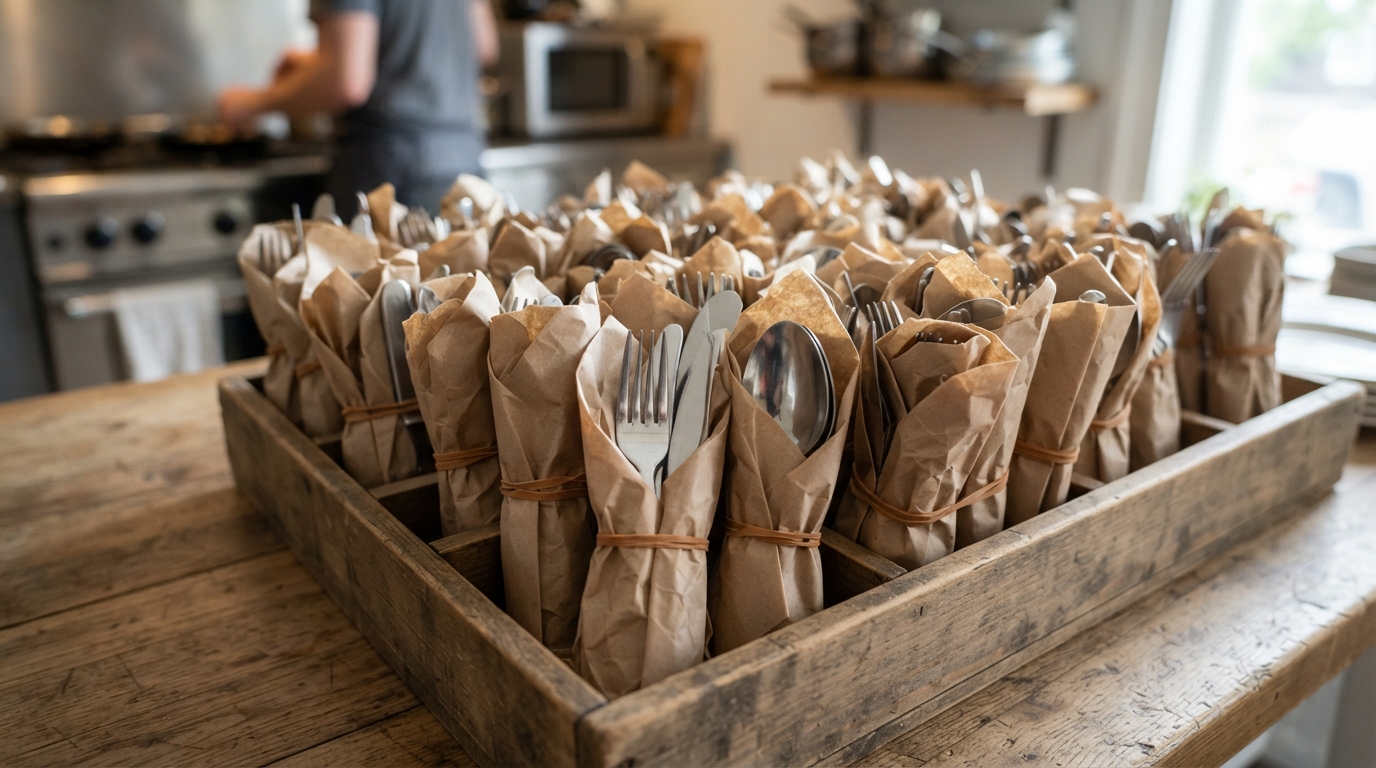
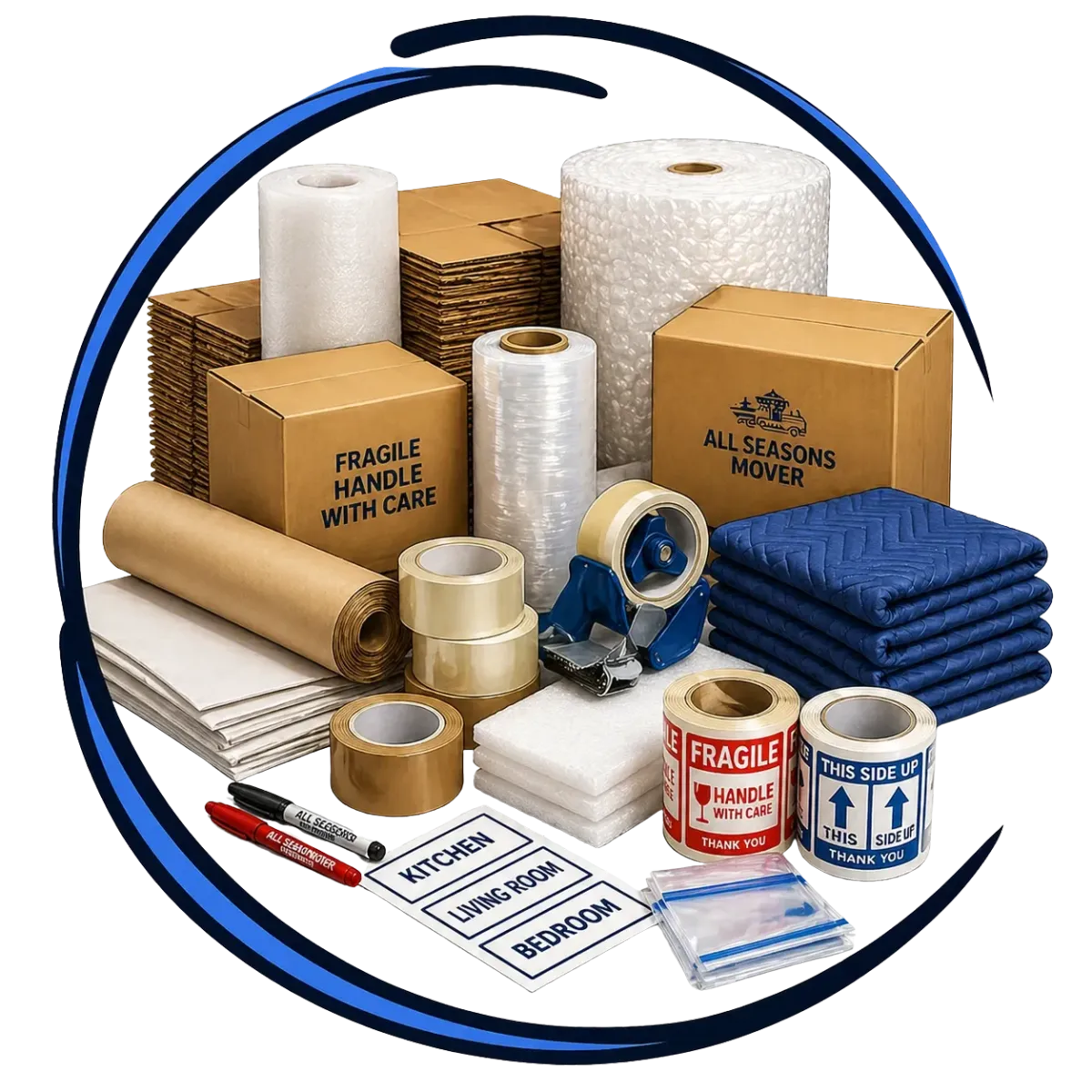
What You'll Need (Most of It You Already Own)
Before you touch a single fork, grab these:
Your existing silverware tray or drawer organizer, if you have one
Plastic wrap or a couple of large ziptop bags
Rubber bands or twist ties
Packing paper or a few clean dish towels
Painter's tape or masking tape
A permanent marker
Notice what's missing: bubble wrap. Silverware doesn't need cushioning the way glasses and plates do. It needs to stay together, stay clean, and stay safely covered so no blade is exposed. That's it.
The Fastest Way: Keep the Drawer Organizer Method
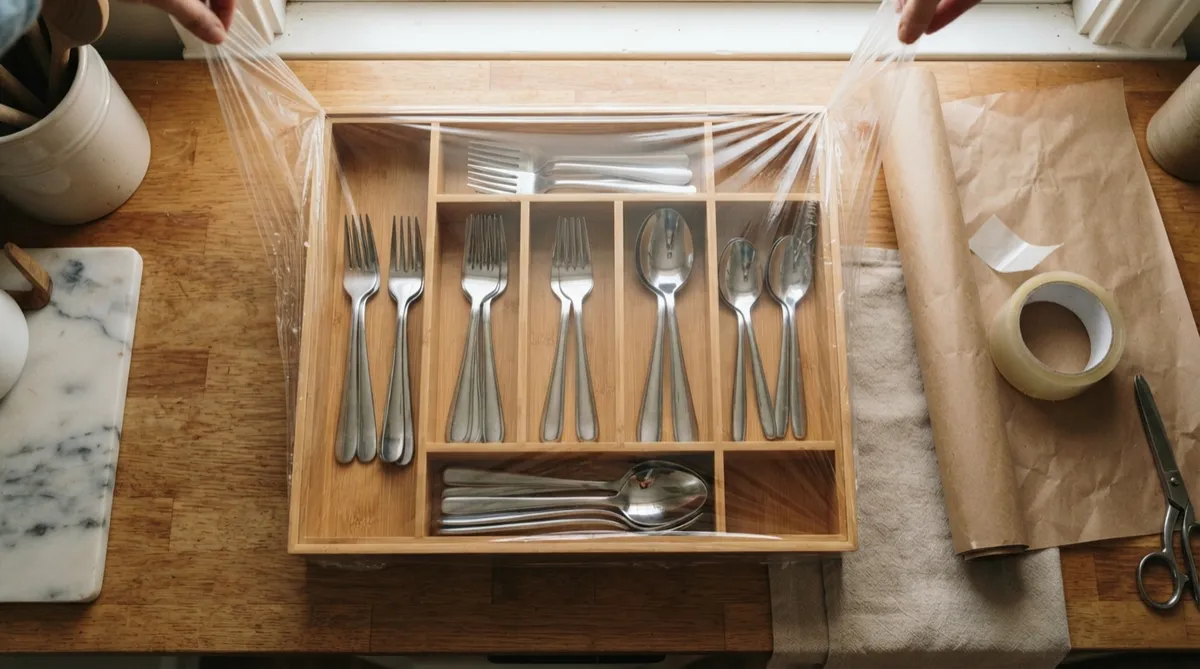
If your silverware already lives in a tray or drawer organizer, this is by far the quickest way to pack it, and it means you unpack in about thirty seconds flat on the other end.
Leave everything exactly where it sits in the tray.
Wrap the entire tray tightly in plastic wrap, going around it several times so nothing can shift or fall out.
Set the wrapped tray flat inside a small to medium box, ideally with something soft underneath, like a folded towel.
Fill any gaps around the tray with packing paper so it can't slide during transport.
Label the box "Silverware Tray, This Side Up."
When you unpack, you literally lift the tray straight into your new drawer. No sorting, no counting spoons, no hunting for the one missing fork.
How to Pack Silverware for Moving Without an Organizer
If your silverware is loose or you're not keeping the tray, here's the method that keeps everything sorted and safe.
1. Sort by type first. Group all your forks together, all your spoons together, and so on. It sounds obvious, but doing this before you wrap anything saves you a genuinely annoying unpacking session later.
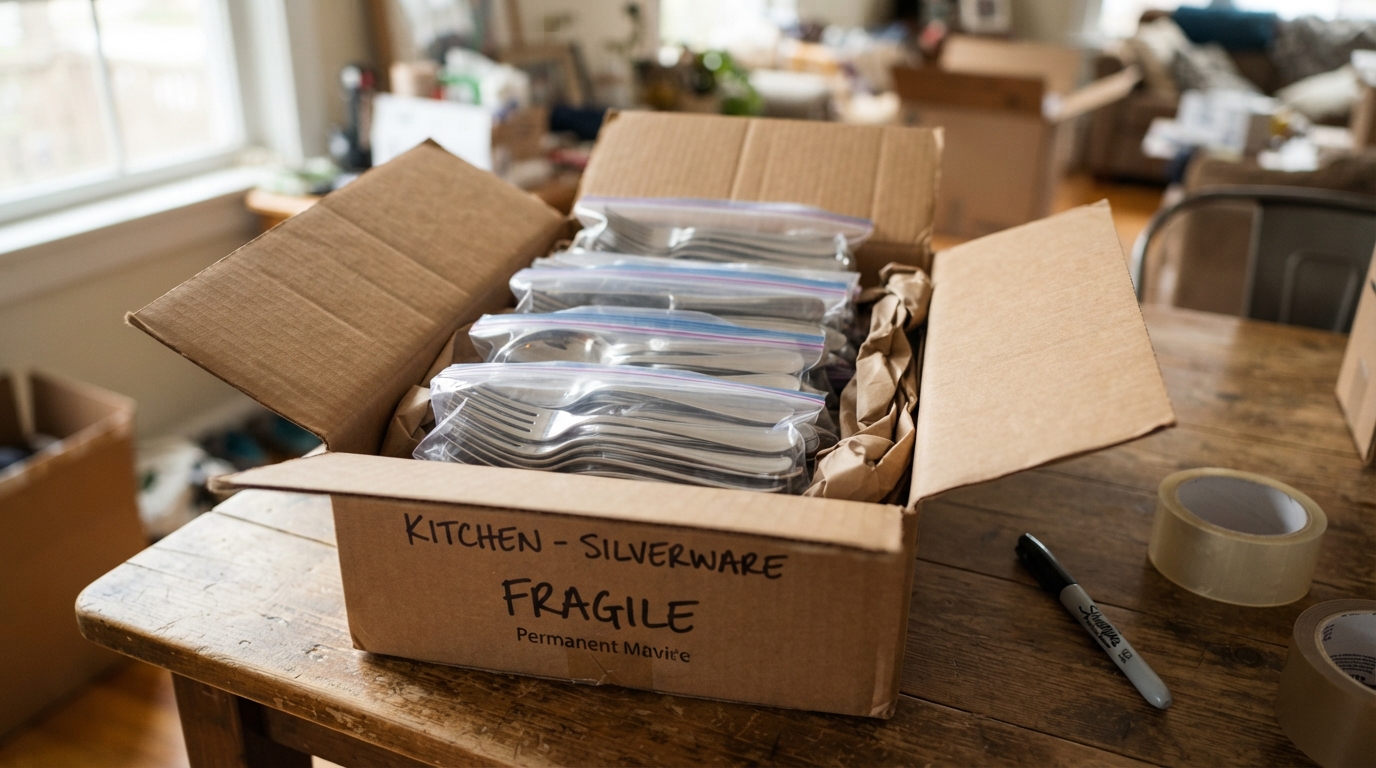
2. Bundle each group. Take a stack of forks (or spoons, or butter knives) and wrap them together in a sheet of packing paper or a clean dish towel, then secure the bundle with a rubber band or a piece of tape. Wrapping in small groups instead of one giant clump keeps sets from getting jumbled together and makes them easy to count when you unpack.
3. Bag them for extra protection. Slide each wrapped bundle into a ziplock bag. This keeps silverware from tarnishing during a long move and protects it from moisture if boxes end up in a garage or storage unit for a while.
4. Pack bundles together in one dedicated box. Resist the urge to toss silverware bundles into whatever box has space. Keep them all in one small, clearly labeled box. It makes unpacking the kitchen dramatically faster since you're not hunting through five different boxes for a can opener and a butter knife.
Packing Sharp Knives Separately (Safety First)
Knives get their own section because they're the one part of this job where a sloppy wrap job can actually hurt someone, whether that's you, a family member, or your moving crew.
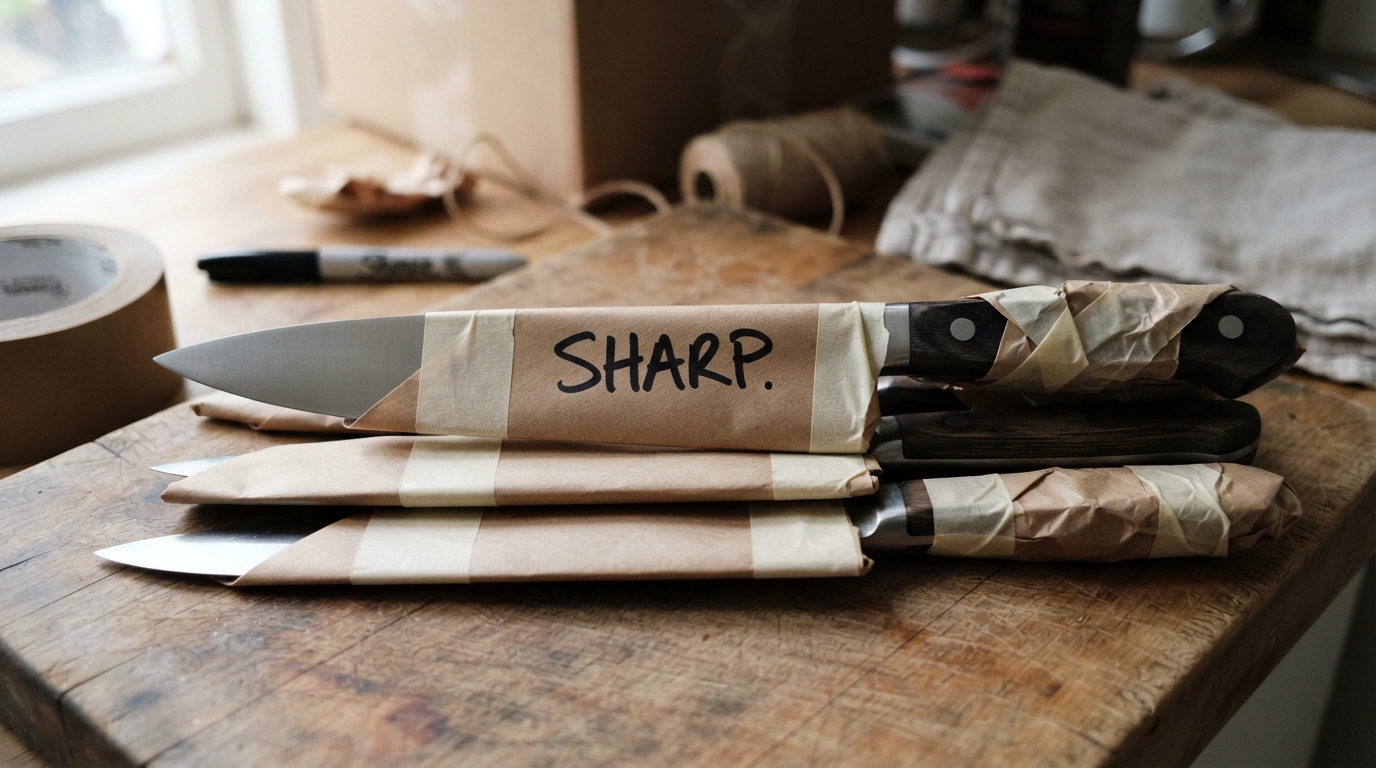
Lay each knife on a sheet of packing paper with the blade pointed the same direction.
Fold the paper firmly over the blade, then roll the handle in to secure it.
Wrap a few layers of tape specifically around the blade portion of the wrapped knife, not the whole bundle.
Group wrapped knives together, blades all facing the same way, and mark the outside clearly with "KNIVES, SHARP" in large letters.
Place the knife bundle on top of other items in the box, not underneath anything heavy.
That extra tape around just the blade tip is the detail most guides skip, and it's the one that actually prevents a torn box or a cut hand.
Packing Sterling Silver or Heirloom Silverware
If you're moving actual sterling silver or an heirloom set, treat it a little differently than everyday flatware. Wrap each piece individually in clean, unprinted tissue paper or anti tarnish cloth, since dyed newspaper or printed packing paper can transfer ink onto polished silver. Avoid rubber bands directly against the metal, since they can leave marks over time. If you have a silver chest, fill any empty gaps with tissue paper so pieces can't shift, then wrap the entire chest in a bath towel for an extra layer of protection during transport.
Common Mistakes People Make Packing Silverware
Tossing loose silverware straight into a box. It gets lost, mixed with other kitchen items, or falls through gaps.
Wrapping knives loosely. A blade that isn't fully covered and taped can cut straight through paper.
Skipping labels. An unmarked box of silverware often gets buried under heavier boxes and forgotten until week two.
Leaving silver exposed to air for weeks in storage. This is how tarnish sets in before you've even unpacked.
Packing silverware with cleaning products or chemicals nearby. Always keep it in its own dedicated kitchen box, separate from anything that could leak.
If a full kitchen move (silverware included) sounds like more than you want to handle solo, All Seasons Movers offers professional packing services in Chicago that cover everything from delicate glassware to everyday drawer items, packed properly and labeled so nothing gets lost or damaged along the way.
FAQ: Packing Silverware for a Move
Do I need bubble wrap to pack silverware? No. Silverware isn't fragile the way glass or dishes are. Packing paper, dish towels, and ziplock bags are enough to keep it organized and protected.
Can I leave silverware in its drawer organizer for the move? Yes, and it's actually the fastest method. Wrap the entire tray in plastic wrap so nothing shifts, then box it and pad the edges.
How do I keep knives from cutting through the box? Wrap each knife individually with the blade folded into the paper, then add extra tape specifically around the blade area before bundling with other knives.
Will my silverware tarnish if it's packed for a while? It can if it's exposed to air for an extended period, especially sterling silver. Wrap pieces in clean tissue paper or seal them in a bag to slow down tarnishing during transit or storage.
Should silverware go in the same box as dishes? It's fine to pack them in the same general box, but keep silverware in its own labeled bundle or bag within that box so it doesn't get mixed in or lost among plates and bowls.