




















How to Pack a Couch for Moving Without Wrecking Anything
How to Pack a Couch for Moving Without Wrecking It, Your Walls, or Your Back
Wrapping a couch is the easy part. Getting it out the front door without gouging the hallway wall or getting it stuck at a ninety degree turn on the stairs is where most couch moves actually go wrong.
Most guides jump straight to blankets and stretch wrap, which matters, but it skips the step that causes the real damage: not knowing if your couch will fit through your doorway, hallway, or stairwell in the first place. Here's how to pack a couch for moving the right way, starting with the part nobody tells you to do first.
Measure Before You Wrap Anything
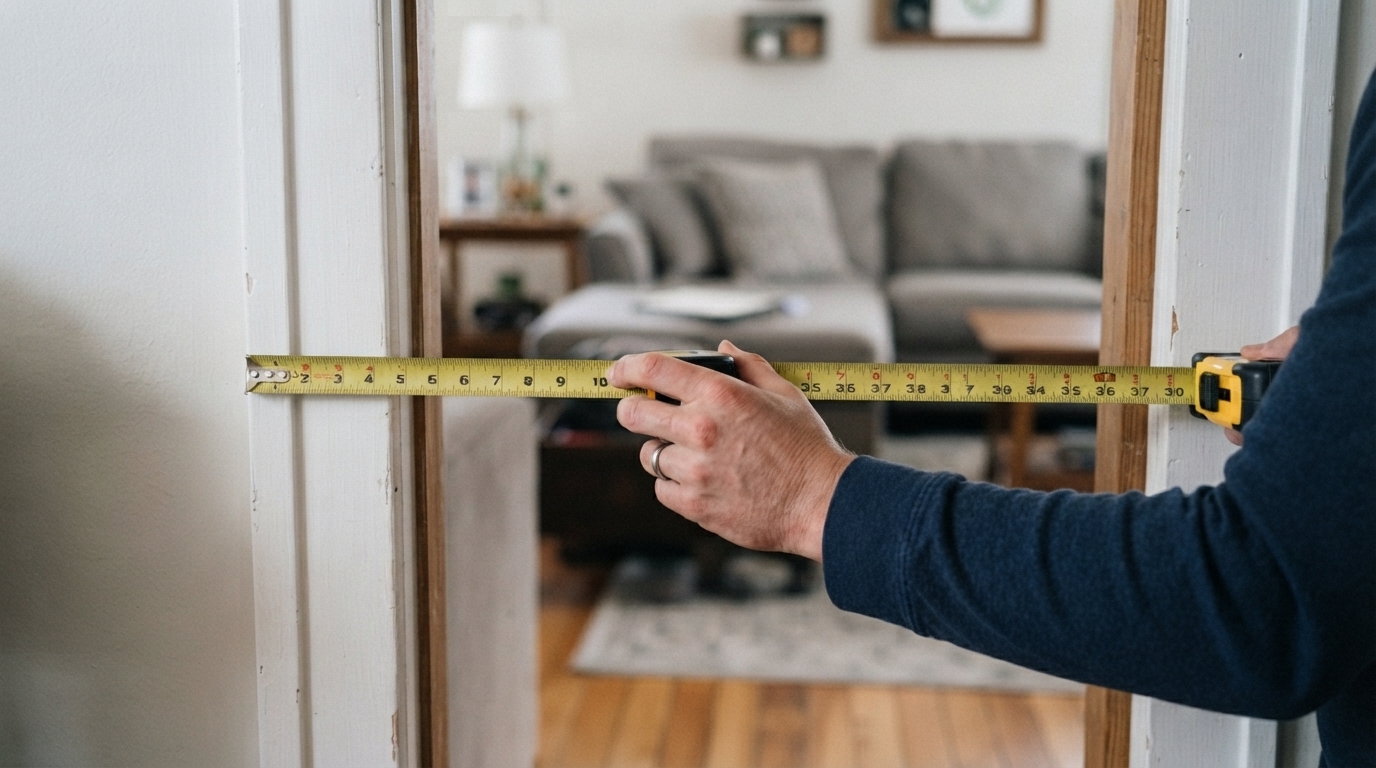
This is the step almost every guide skips, and it's the one that actually prevents disasters. Before you touch a single moving blanket, grab a tape measure and check three things: the width of your front door or the doorway the couch needs to pass through, the width of any hallway turns, and the width and height of stairwells if you're on an upper floor.
Then measure your couch, including the depth with cushions on, since that's the dimension that usually gets it stuck at a turn. If the numbers are close, this is your warning to plan ahead, whether that means removing the door from its hinges, taking the legs off the couch, or tilting it on its end to clear a tight stairwell corner. Finding this out after the couch is already wrapped and wedged sideways in a doorway is a bad time to discover a two inch problem.
What You Need to Pack a Couch for Moving
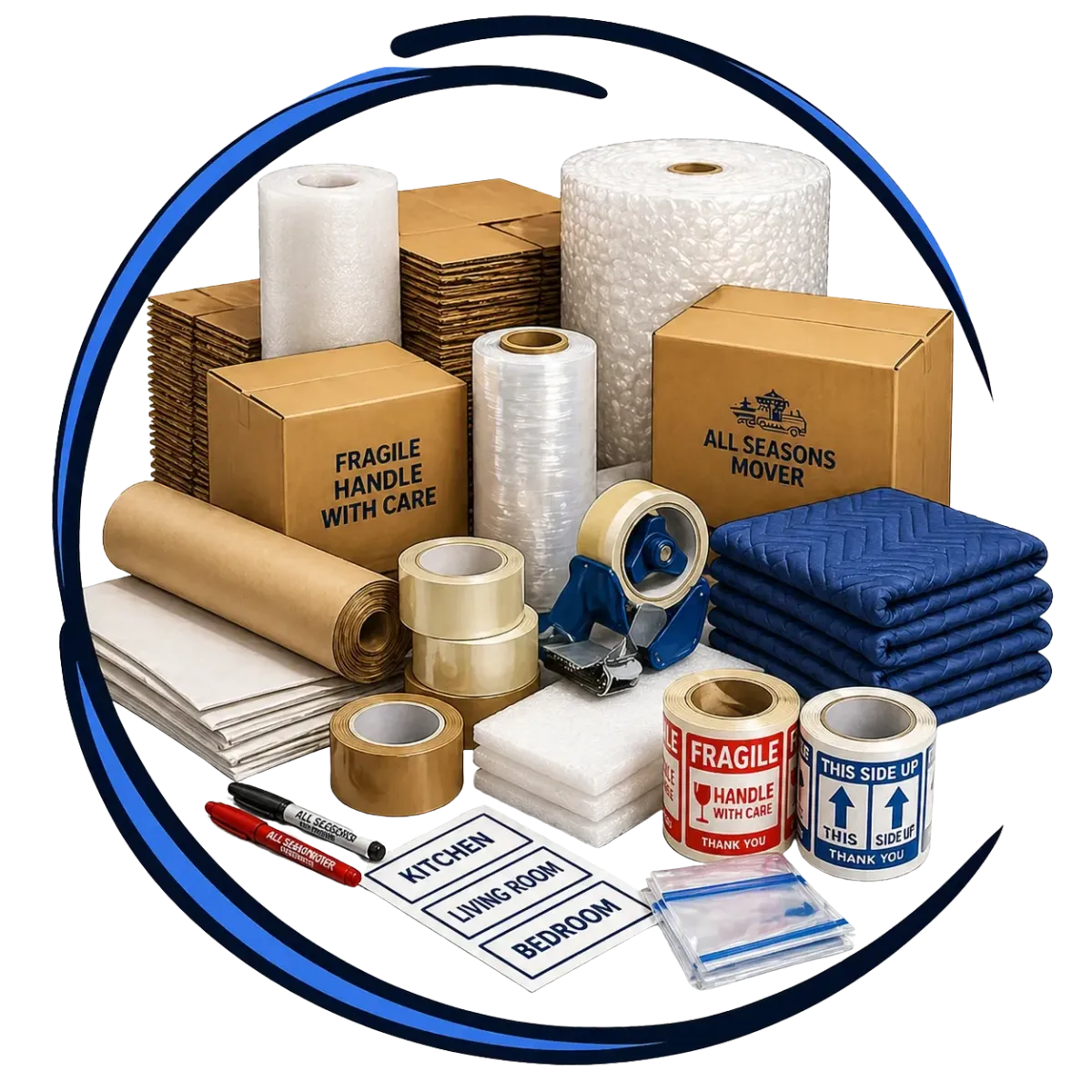
Once you know your couch will actually make it out the door, gather your supplies:
Moving blankets or furniture pads, enough to fully cover the couch
Plastic stretch wrap to hold the blankets in place
Packing tape, used only on the wrap layers, never directly on fabric or leather
Furniture sliders, if you're moving a heavy sofa across hard flooring
A screwdriver, if your couch has removable legs
Sealable bags for any hardware you remove
Skip the bubble wrap here. Couches don't need it the way glass or electronics do, and moving blankets do a better job absorbing impact during loading and transport anyway.
How to Pack a Couch for Moving Step by Step
1. Clean it first. Vacuum the entire surface to remove dust, crumbs, and debris. A couch wrapped while dirty traps that grime against the fabric for the whole move, and it's much harder to clean once it's been sitting wrapped for days.
2. Remove cushions and legs. Take off all removable cushions and wrap them separately so they keep their shape. If your couch has screw in legs, remove them, bag the hardware, and tape the bag to the underside of the frame so it doesn't get separated from the piece it belongs to.
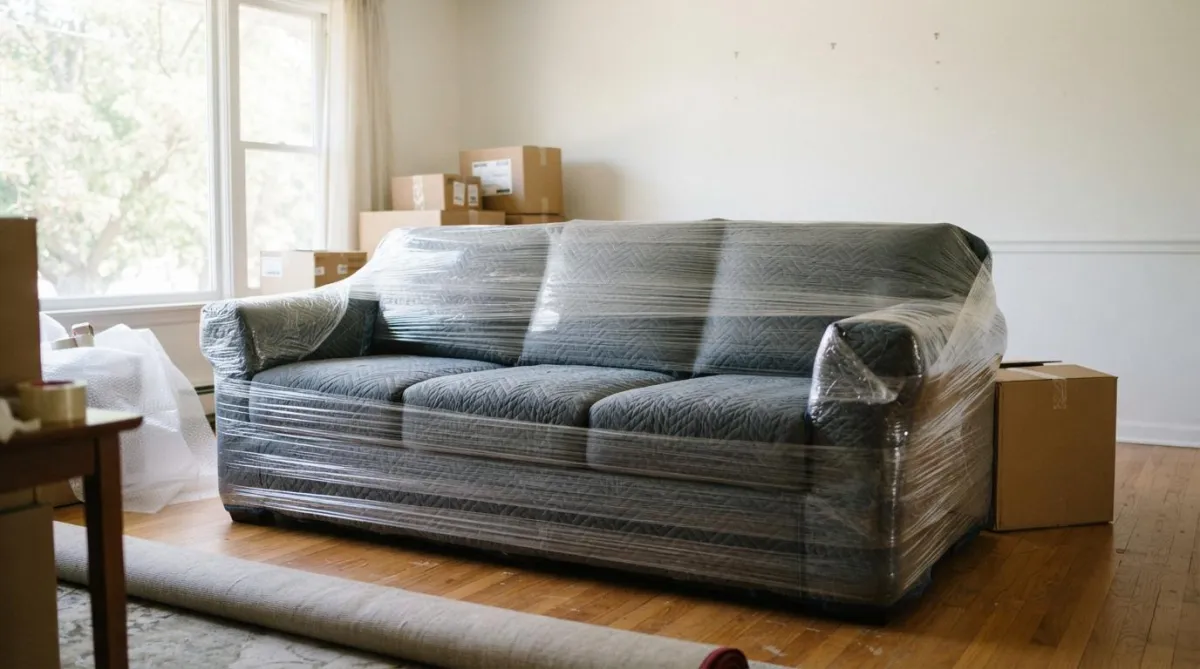
3. Cover it in moving blankets. Drape blankets over the back, arms, and base, paying extra attention to corners and any exposed wood or metal feet, since those spots take the most impact during loading.
4. Wrap with plastic stretch wrap. Working top to bottom, wrap stretch wrap around the blanketed couch to hold everything in place. Pull it snug, but don't compress the cushions or frame underneath. This layer is what actually keeps the blankets from sliding off mid move.
5. Tape the wrap, not the couch. If you need extra tape to secure the wrap layers, apply it directly to the plastic, never to the upholstery or leather underneath. Tape residue on fabric is a mistake you can't undo.
Getting the Couch Through Tight Doorways and Stairwells
If your measurements came back close, here's what actually helps once moving day arrives:
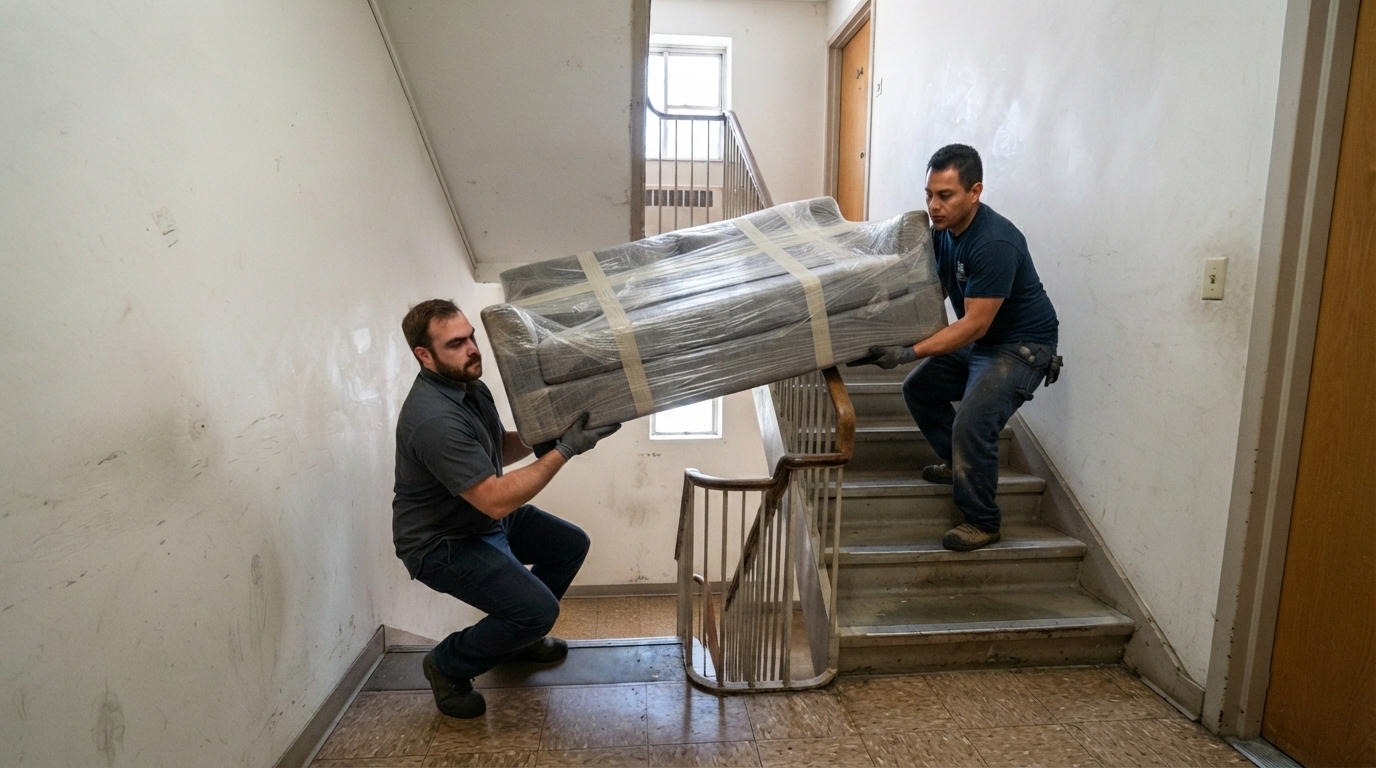
Tilt it on its end. Standing a couch upright often shaves several inches off the width needed to clear a doorway or stairwell turn.
Remove the door from its hinges. A standard interior door adds surprisingly little clearance once removed, and it takes about five minutes with a screwdriver.
Take the legs off. Removing legs lowers the couch's overall height, which can be the difference at a low stairwell ceiling or an awkward angled turn.
Use furniture sliders on hard flooring. These let you pivot and adjust angle without dragging the couch, which reduces both damage and the risk of scratching your floors.
Get a second person to guide from the front. One person lifting and tilting while another calls out clearance from the doorway ahead avoids the guesswork that usually leads to a stuck couch and a scraped wall.
Wrapping Different Couch Materials
Fabric couches. Cotton and linen upholstery does fine with a layer of stretch wrap over blankets. If you're worried about dust, a sofa cover underneath adds extra protection.
Leather couches. Skip plastic touching the leather directly, since trapped moisture underneath can cause condensation and damage the surface over time. A clean moving blanket alone, without the tight plastic layer directly against the leather, is the safer choice.
Sectionals, recliners, and sleeper sofas. Separate each section and wrap them individually rather than trying to move a sectional as one unit. For recliners, make sure the footrest mechanism is fully closed and secured before wrapping so it doesn't shift or catch during loading.
Protecting Your Walls and Floors While Moving It
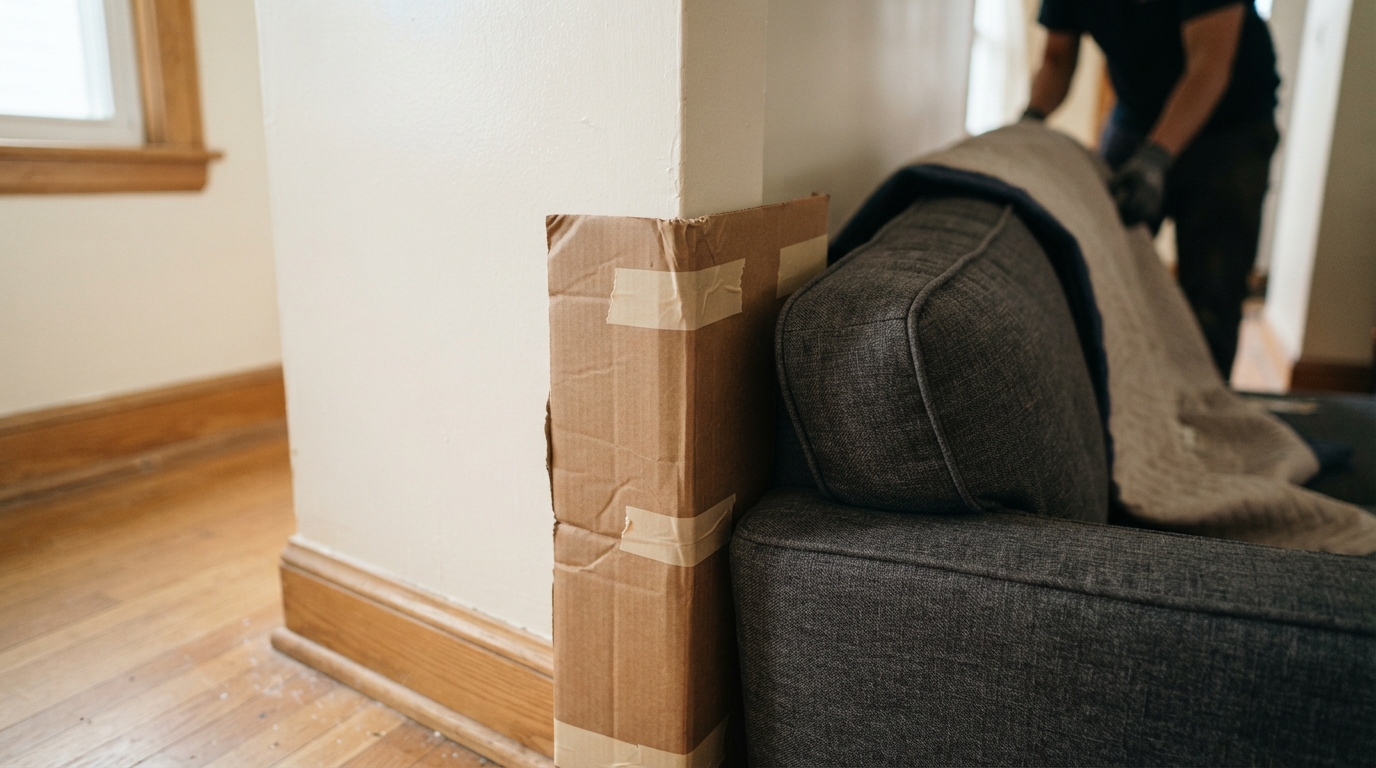
Wrapping the couch protects the couch, but it won't protect your walls. Use corner guards or a folded blanket at doorway edges and stairwell corners where the couch is most likely to make contact. On hardwood or tile, furniture sliders under the legs prevent both scratches to your floor and unnecessary strain on whoever's carrying it.
Common Mistakes People Make
Skipping the doorway measurement. This is the single biggest cause of couch moving disasters, and it takes thirty seconds to check.
Taping directly to fabric or leather. It leaves residue or pulls fibers when removed.
Dragging instead of lifting. This scuffs both the couch legs and your flooring.
Wrapping a couch that's still damp. Trapped moisture under plastic leads to mold and odor by the time you unpack.
Forgetting the cushions. Loose, unwrapped cushions get dirty, dented, or lost in a moving truck.
DIY or Call in Professional Movers
For a single couch and a straightforward doorway, doing it yourself with the steps above is completely manageable. But if your measurements came back tight, you're dealing with a heavy sectional, or you're navigating a narrow walkup stairwell, professional experience makes a real difference. Movers who do this daily know how to angle, tilt, and maneuver furniture through spaces that look impossible on paper.
If you'd rather not risk your couch, your walls, or your back, All Seasons Movers offers professional moving and furniture handling services in Chicago that take the guesswork out of getting bulky furniture safely from one home to the next.
FAQ: Packing a Couch for a Move
Do I need bubble wrap to pack a couch? No. Moving blankets combined with plastic stretch wrap provide better impact protection than bubble wrap for a couch's size and shape.
How do I know if my couch will fit through my doorway? Measure the doorway width and your couch's depth with cushions on. If the numbers are close, plan to remove the door, take off couch legs, or tilt the couch on its end to clear the opening.
Can I use plastic wrap directly on a leather couch? It's better to avoid it. Plastic against leather can trap moisture and cause condensation damage over time. A moving blanket alone offers safer protection.
Should I remove the legs before wrapping a couch? If your couch has screw in legs and you're dealing with a tight doorway or stairwell, removing them lowers the profile and can make the difference in getting it through.
How long does it take to properly pack a couch for moving? For one person, expect twenty to thirty minutes including cleaning, wrapping, and securing, longer if you're also removing legs or navigating a tricky exit route.