













Full Service Movers Chicago: What You Get and How to Choose
Full Service Movers Chicago: What You Really Get and How to Hire the Right Crew
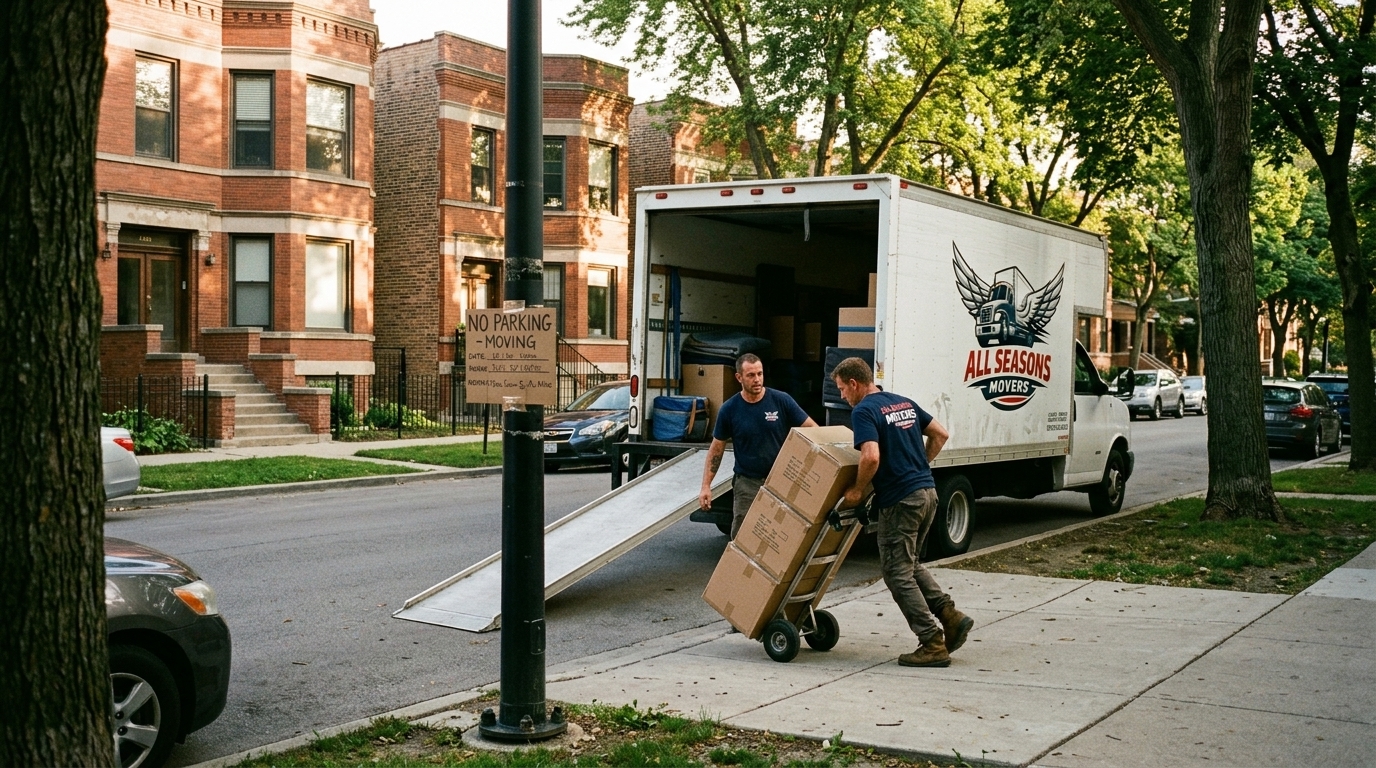
Picture moving day in Chicago. The elevator is booked for a two hour window, a street cleaning sign is staring at your truck, and you still have a kitchen full of unpacked dishes. This is the moment people start searching for full service movers in Chicago, and it is the right instinct. A full service move hands the heavy lifting, the packing, the driving, and the headaches to a trained crew so you can focus on actually living your life.
But not every company means the same thing by "full service." Here is how to know exactly what you are paying for before anyone touches a box.

What Full Service Movers in Chicago Actually Include
A true full service move covers the entire job from start to finish. Most Chicago crews include these core pieces:
Packing and unpacking: Pros wrap furniture, box your kitchen, and set everything up at the new place.
Furniture protection and disassembly: Blankets, shrink wrap, and floor runners keep your beds, tables, and hallways safe.
Loading, transport, and unloading: One crew handles the stairs, the truck, and the final placement of every item.
Insurance and liability coverage: Licensed movers carry protection so a scratched dresser does not become your problem.
Ask each company for a written list of inclusions. Some quotes bundle packing materials and some charge separately, and that gap is where surprise fees hide.
The Chicago Factors Most Guides Skip
Generic moving advice ignores what makes Chicago moves unique. Local knowledge separates a smooth day from a stressful one.
Permits, parking, and loading zones
Many city blocks require a temporary parking permit so a truck can sit at your curb. A professional crew knows when to request one and how far ahead. Skipping this step can mean tickets or a truck circling while your furniture waits.
High rise rules and walk ups
Downtown towers often demand certificates of insurance, reserved elevators, and set move times. Walk ups in Lincoln Park or Wicker Park mean narrow stairs and tight turns. Ask any mover how they handle both.
Weather and season
Lake effect winters and humid summers both test a crew. Winter moves need floor protection from slush and salt. Summer demand peaks, so the best dates vanish quickly. Book four to six weeks ahead when possible.
What Does a Full Service Move Cost in Chicago?
Most full service quotes are built from three things: the number of movers, the hours on the clock, and the truck. Small apartment moves can start at several hundred dollars, while homes with several bedrooms climb into the thousands. Packing, stairs, long carries, and specialty items push the total higher.
Three ways to keep your quote honest:
Get an in home or video estimate so the mover sees your actual inventory.
Ask whether the rate is hourly or flat, and what overtime looks like.
Declutter before the quote, because fewer items mean fewer hours.
How to Choose the Right Mover Without Regret
Reviews matter, but the real test is how a company answers your questions. Watch for these signals:
Green flags
Clear written estimates, proof of licensing and insurance, trained and uniformed crews, and a calm explanation of how claims work. Real photos of past jobs and consistent reviews across several platforms also help.
Red flags
Big deposits demanded upfront, quotes given by phone without any inventory, rental trucks with no company branding, and prices that sit far below every other bid. A bargain that disappears into hidden fees is not a bargain.

Is Full Service Worth It, or Should You Mix and Match?
Full service shines when your time is limited, you have bulky furniture, or you are relocating a family. If your budget is tight, a partial service can work: let professionals handle packing and loading while you move small valuables yourself. Many Chicago households also choose to pack only the kitchen and fragile items, which trims the bill without adding much stress.
Your Moving Day Game Plan
A good mover handles the work, but a little preparation makes everything smoother. Follow this simple timeline:
Six weeks out: Collect estimates and confirm your date.
Two weeks out: Book parking permits and elevator times, and sort what you are keeping.
Moving day: Keep medications, documents, and chargers with you, and walk the crew through the home.
After the move: Inspect your belongings and report any concerns right away.
Items That Need Extra Care
Ask how a mover handles pianos, flat screen televisions, artwork, and heavy appliances. Specialty items often need custom crating or extra hands, and a mover who has done it before will say so confidently. Photograph valuable pieces before the move so any claim is simple to document.
Common Mistakes That Cost Chicago Movers Money
The most expensive mistakes happen before the truck arrives. People wait until the last month to book, skip the inventory walk through, or forget to ask about stair and long carry fees. Others pack boxes too heavy to lift, which slows the crew and raises the hourly bill.
Fix all of this with a short checklist. Label every box by room, keep a written inventory, and confirm the arrival window the day before. Small habits like these protect both your budget and your sanity, and any reliable crew will appreciate the help.
Why Chicago Families Trust All Seasons Movers
Moving is hard, but the right team makes it feel truly manageable and even exciting.
At All Seasons Movers, our trained crews handle packing, loading, transport, and setup across Chicago and the surrounding suburbs, in every season and every kind of building. You get a clear estimate, careful handling, and people who treat your home like their own. If you are ready to stop stressing and start planning, visit All Seasons Movers to request your quote today. Your next chapter deserves a crew that shows up prepared.