









Emergency Moving Service: What Actually Happens When You Call
Emergency Moving Service: What Actually Happens When You Call
Most articles about emergency moving services stop at listing the situations they cover. Fires, floods, evictions, sudden safety concerns. What they rarely explain is what actually happens once you pick up the phone. If you are in the middle of a crisis, the not knowing is often just as stressful as the situation itself. Here is a clear look at the actual process, from the first call to where your belongings end up.

The First Call: What an Emergency Mover Actually Asks
When you call for emergency moving help, the first few minutes are about gathering just enough information to move fast without wasting time on details that can wait. Expect questions about how much time you actually have, whether the property is currently safe to enter, how many rooms or how much furniture is involved, and where your belongings need to go once they are out.
A good emergency moving service does not need a full walkthrough or a detailed inventory before dispatching help. The goal in that first call is speed paired with just enough information to send the right number of people and the right size truck.
Triage: What Gets Packed First When Time Is Short
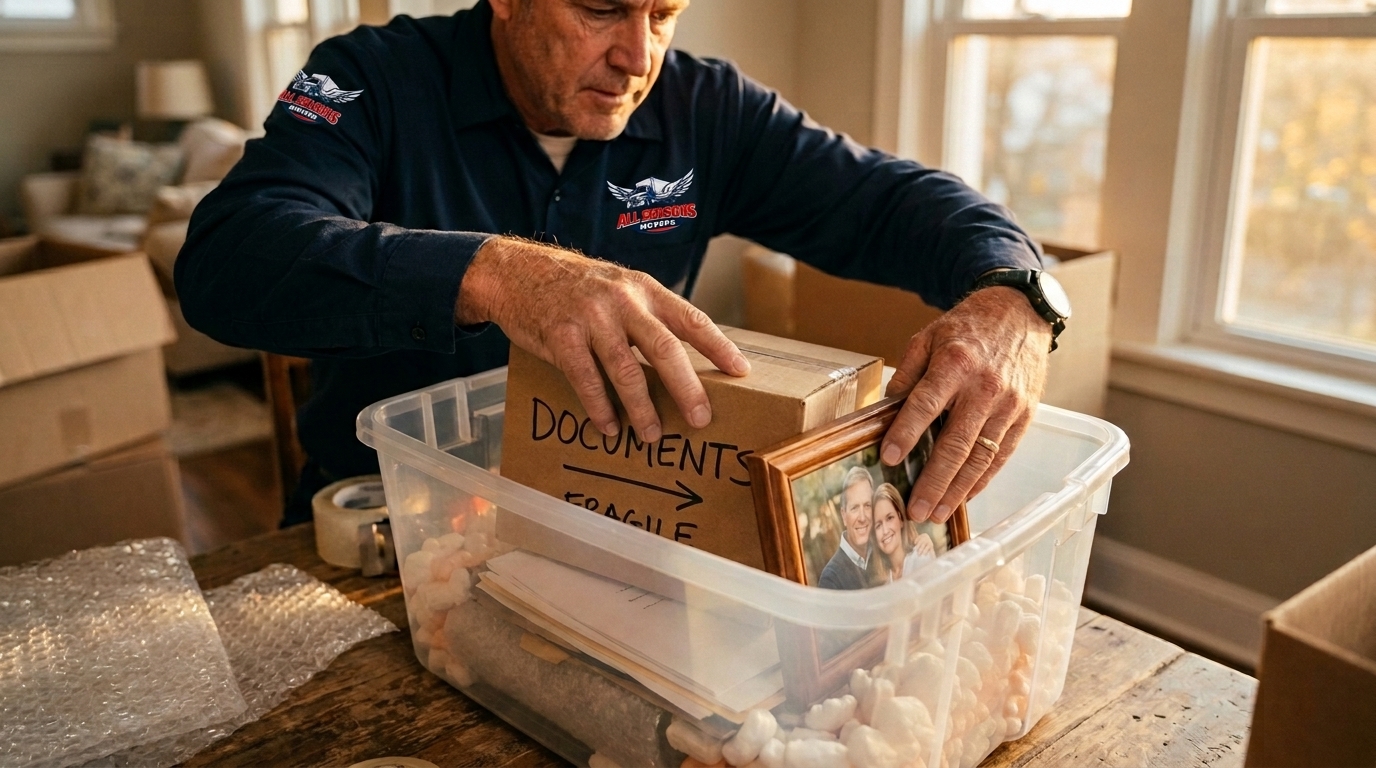
When time is limited, not everything can be treated the same way, and a good crew works from a mental priority list rather than moving room by room in order. Important documents, medications, and identification typically come first, followed by irreplaceable items like family photos, heirlooms, and anything with sentimental rather than replaceable value. Larger furniture and general household items come after the essentials are secured.
If you are able to make even a short list of your own priorities before help arrives, whether that is a specific box, a filing cabinet, or a particular piece of furniture, sharing that immediately helps the crew work through the space efficiently instead of guessing what matters most to you.
Documentation Matters More Than You Think
In situations involving fire, flood, or property damage, documentation becomes important almost immediately, often for insurance purposes down the line. An experienced crew will typically take a general inventory of what is being moved, noting the condition of major items as they go. This is not about slowing the process down, it is about protecting you later when insurance questions inevitably come up.
If you have time to snap a few photos of the space before items are moved, it can genuinely help support any claims you may need to file afterward, but this should never come at the expense of getting people and belongings to safety first.
Where Your Belongings Go After an Emergency Move
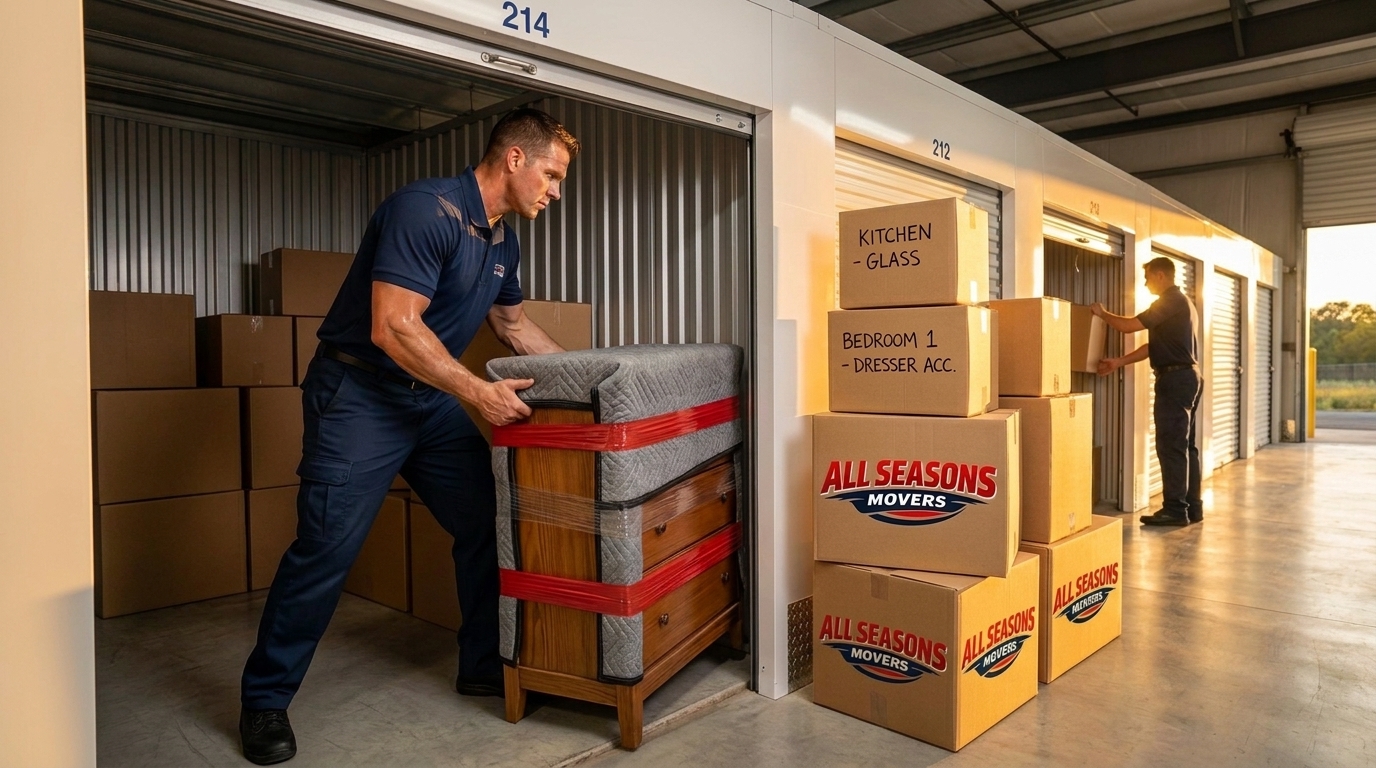
An emergency move rarely ends with items simply arriving at a new home, since there is often no new home lined up yet. Most emergency moving services include short term storage as part of the process, giving you a secure place for your belongings while you sort out next steps, whether that is temporary housing, a rebuild timeline, or a new lease.
Knowing that storage is available as part of the service, rather than something you have to arrange separately under pressure, is one less thing to manage during an already difficult time.
What Sets a Real Emergency Moving Service Apart
Plenty of companies advertise emergency availability, but the difference shows up in how they actually operate once you call. A real emergency moving service answers quickly at any hour, asks the right questions without wasting your time, and has the equipment and crew size ready to move fast without treating your belongings carelessly in the process.
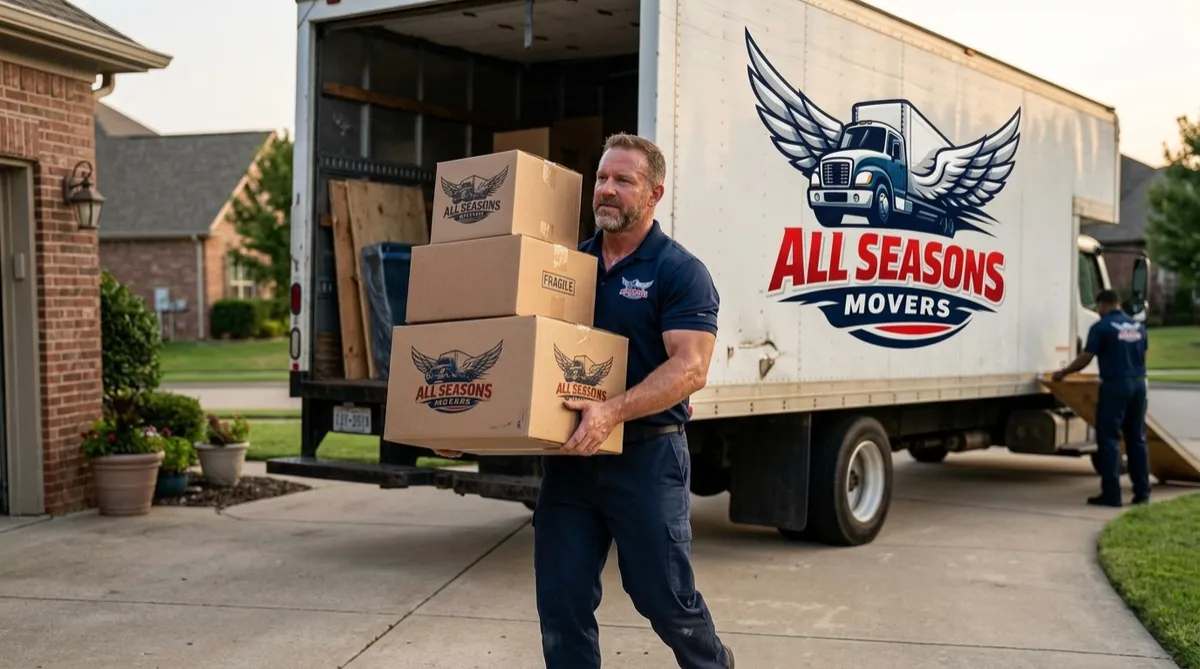
Just as important is how the situation is handled on a human level. Emergencies are stressful enough without a crew that treats the job like any other move. All Seasons Movers approaches every emergency call with both speed and care, working through the priority list with you and handling the details, including short term storage, so you can focus on getting through the moment in front of you.
Frequently Asked Questions
How fast can an emergency moving service actually respond?
Many companies can dispatch a crew within hours of your call, depending on availability and the details of your situation.
What should I try to save first during an emergency move?
Important documents, medications, identification, and irreplaceable sentimental items are typically prioritized before general furniture and household goods.
Do emergency movers help with insurance documentation?
Many crews take a general inventory and note item condition during the move, which can support insurance claims, though you should also document what you can yourself if time allows.
What happens to my belongings if I do not have a new place yet?
Most emergency moving services include short term storage, giving you a secure place to keep your belongings while you figure out next steps.
Is emergency moving only for fires and floods?
No. Emergency moving services also commonly help with evictions, sudden safety concerns, and other situations that require moving out on very short notice.