













Chicago Local Movers: How to Spot a Trustworthy Company | All Seasons Movers
How To Tell Good Chicago Local Movers From Risky Ones
Typing "chicago local movers" into a search bar usually means one thing. You need to hire a company, and you want to make sure you pick the right one. With dozens of options competing for your business, it can be hard to separate a genuinely reliable crew from one that only looks good on paper. A polished website and a low quoted price do not always translate into a smooth moving day, which is exactly why so many people end up frustrated after booking based on marketing alone. Here is what actually separates trustworthy movers from the ones that lead to a stressful, expensive moving day.
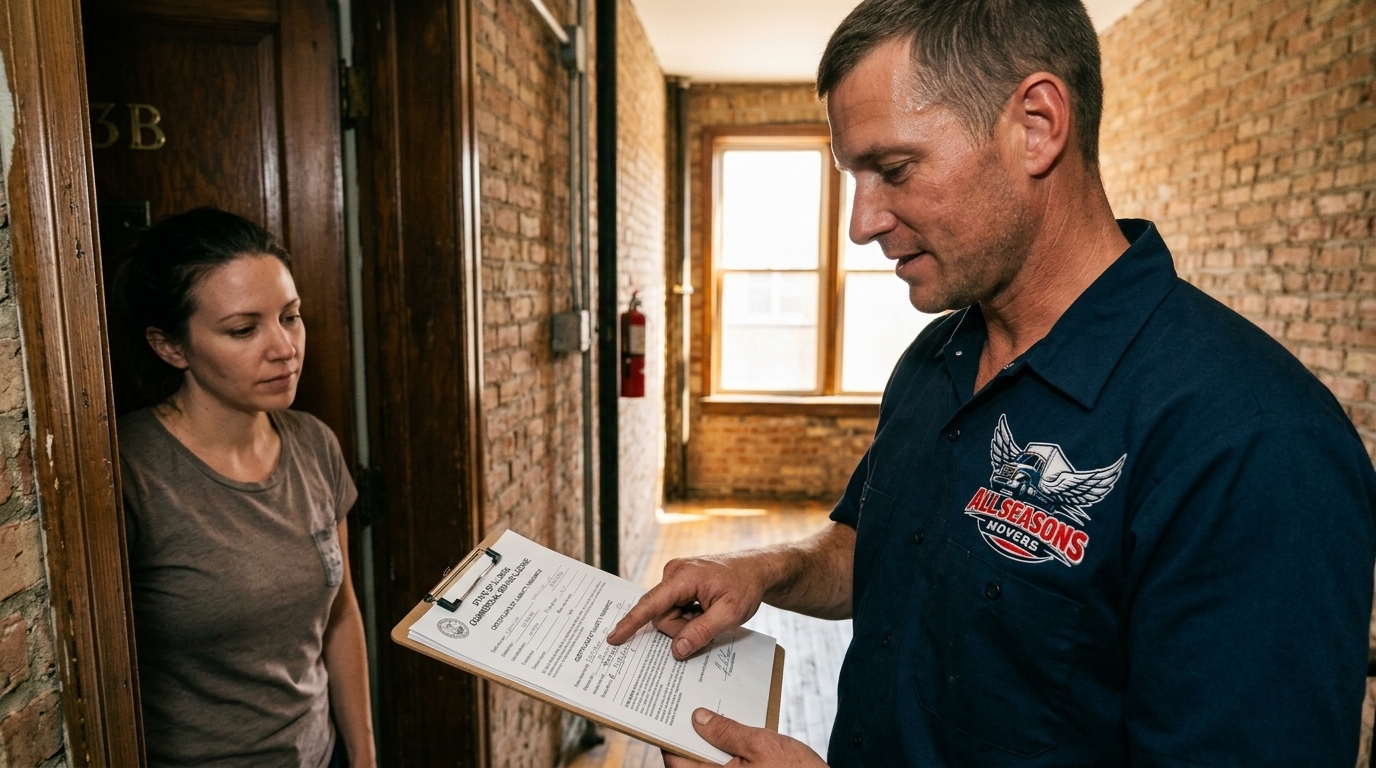
The Real Difference Between A Good Local Mover And A Risky One
A good local mover operates transparently from the first phone call. They ask detailed questions about your home, give you a written estimate, and explain exactly how charges are calculated before a single box is loaded. A risky mover, on the other hand, often rushes you into booking, quotes a price without ever seeing your belongings, or gets vague when you ask about licensing and insurance. The gap between these two experiences usually shows up long before moving day itself, in how a company communicates during those first few conversations. Learning to spot these differences early can save you from a moving day disaster and a much larger bill than you expected.
Step 1: Verify The Company Is Actually Licensed
Illinois requires movers handling intrastate household moves to hold a valid state license. This single check filters out unreliable operators quickly.
Ask directly for the company's Illinois Commerce Commission license number.
Confirm the name on the license matches the name on your estimate and contract.
If the move crosses state lines at any point, check for federal registration as well.
A company that hesitates or dodges this question is telling you something.
Step 2: Read Reviews The Right Way
A high star rating alone does not tell the full story. Instead, focus on how a company responds to negative feedback and whether complaints follow a pattern.
Look for detailed reviews that mention specific crew names, timing, and outcomes.
Pay attention to how the company replies publicly to criticism.
Search for repeated complaints about damaged items, missed appointments, or surprise fees.
Cross check ratings across more than one platform rather than trusting a single source.

Six Red Flags That Should Make You Walk Away
Not every warning sign is obvious at first glance. Watch for these before signing anything.
A large cash deposit demanded upfront, especially before any paperwork is provided.
A phone only quote with no in home or video walkthrough of your belongings.
Blank or incomplete documents you are asked to sign before details are filled in.
No physical business address listed anywhere on the company's website.
Pressure tactics, such as claiming the quoted rate expires within hours.
Unmarked trucks with no company branding showing up on moving day.
If you notice even one of these while searching for chicago local movers, treat it as a reason to keep looking.
Understanding Your Estimate: Binding Versus Non Binding
Local moves in Illinois are typically billed hourly based on crew size and time, which makes pricing fairly predictable compared to long distance shipments that rely on weight and distance. Still, it helps to fully understand what you are agreeing to before a crew shows up at your door.
A binding estimate locks in a set price regardless of small changes on moving day, while a non binding estimate can shift based on the actual hours worked, sometimes leaving room for the final bill to climb higher than expected. Ask your mover which type they are offering, and get the explanation in writing rather than over the phone. Clarity here prevents the most common source of billing disputes after a move, and it gives you something concrete to point back to if a disagreement ever comes up later.
Questions To Ask Before You Sign
A short conversation before booking can reveal a lot about how a company operates.
How many years have you worked specifically within Chicago?
What training do your crew members receive before handling a move?
How do you handle damage claims if something breaks in transit?
Do you carry a certificate of insurance for buildings that require one?
What happens if my move takes longer than the estimate suggested?
Companies confident in their process answer these without hesitation.

What A Reputable Chicago Local Mover Should Offer
Beyond licensing and honest pricing, the best local movers tend to share a few common traits. They provide a dedicated point of contact for your move, arrive with the right size truck and enough crew for your home, and communicate proactively if anything changes on the schedule. They also treat packing materials, furniture pads, and basic equipment as part of the service rather than a hidden upcharge added at the last minute.
Choosing a team that knows Chicago's neighborhoods, from high rise buildings downtown to narrow side streets in older neighborhoods, also matters more than people expect. Local familiarity often shows up in small ways, like knowing where to park a truck legally, how long an elevator reservation typically takes in a specific building, or which streets turn into gridlock during rush hour. A crew that has completed hundreds of moves across the city tends to anticipate these details automatically, without needing to be told twice.
Final Thoughts
Hiring movers is ultimately about trust, and trust is built on transparency, not marketing claims. Verify licensing, read reviews carefully, ask direct questions, and watch for the red flags above before committing to anyone. If you are ready to work with a team built on straightforward pricing and dependable local service, request a free estimate through All Seasons Movers and see how a properly vetted mover handles your relocation from start to finish.