












Chicago Residential Moving Companies: Which Type Fits Your Home?
Chicago Residential Moving Companies: Which Type Is Right for Your Home?
Search for Chicago residential moving companies and you will see dozens of names promising the same thing: an easy, affordable, stress free move. The reality is that these companies operate in very different ways, and the type you hire shapes your price, your timeline, and how safely your belongings travel. Before you compare quotes, learn who you are really hiring. This guide explains the three kinds of residential movers in Chicago, what each does best, and how to match one to your home.

The Three Types of Chicago Residential Movers
Every company in your search results falls into one of these categories.
1. Full Service Carriers
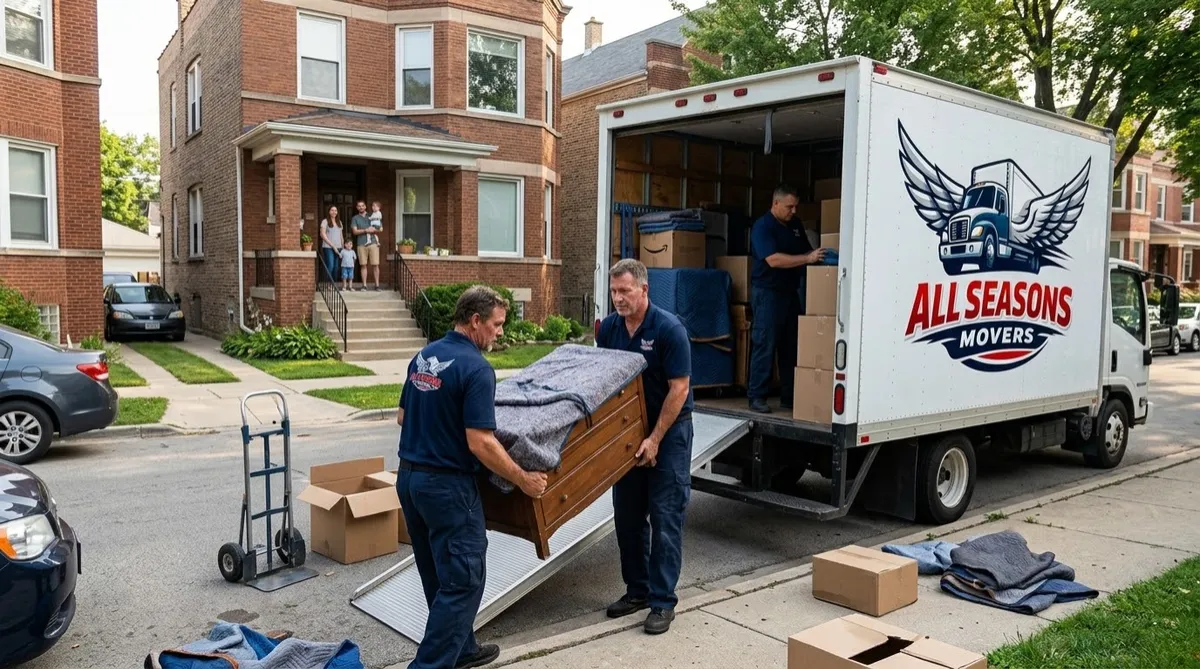
These companies own their trucks, employ their own crews, and take responsibility from your front door to your new one. They cost more than the other options, but you get accountability, trained handlers, and a single phone number to call if something goes wrong. Most families moving a whole household choose this route.
2. Moving Brokers
Brokers sell your job to whichever carrier will take it. Their quotes can look attractive, yet you often do not learn who shows up until days before your move. Ask any broker for the name of the actual carrier in writing, and confirm that carrier carries its own license and insurance.
3. Labor Only Helpers
You supply the truck, and they supply muscle. This can work for a small apartment, but damage claims get complicated because no one is fully responsible for the vehicle, the loading plan, or the load itself. For anything fragile or high value, it is a gamble.
Match the Mover to Your Chicago Home
Residential moving in this city changes block by block. Your home type should guide your choice.
Condos and High Rises
Expect freight elevator bookings, building move in hours, and a required certificate of insurance. Pick a company that handles this paperwork for you.
Greystones, Bungalows, and Walkups
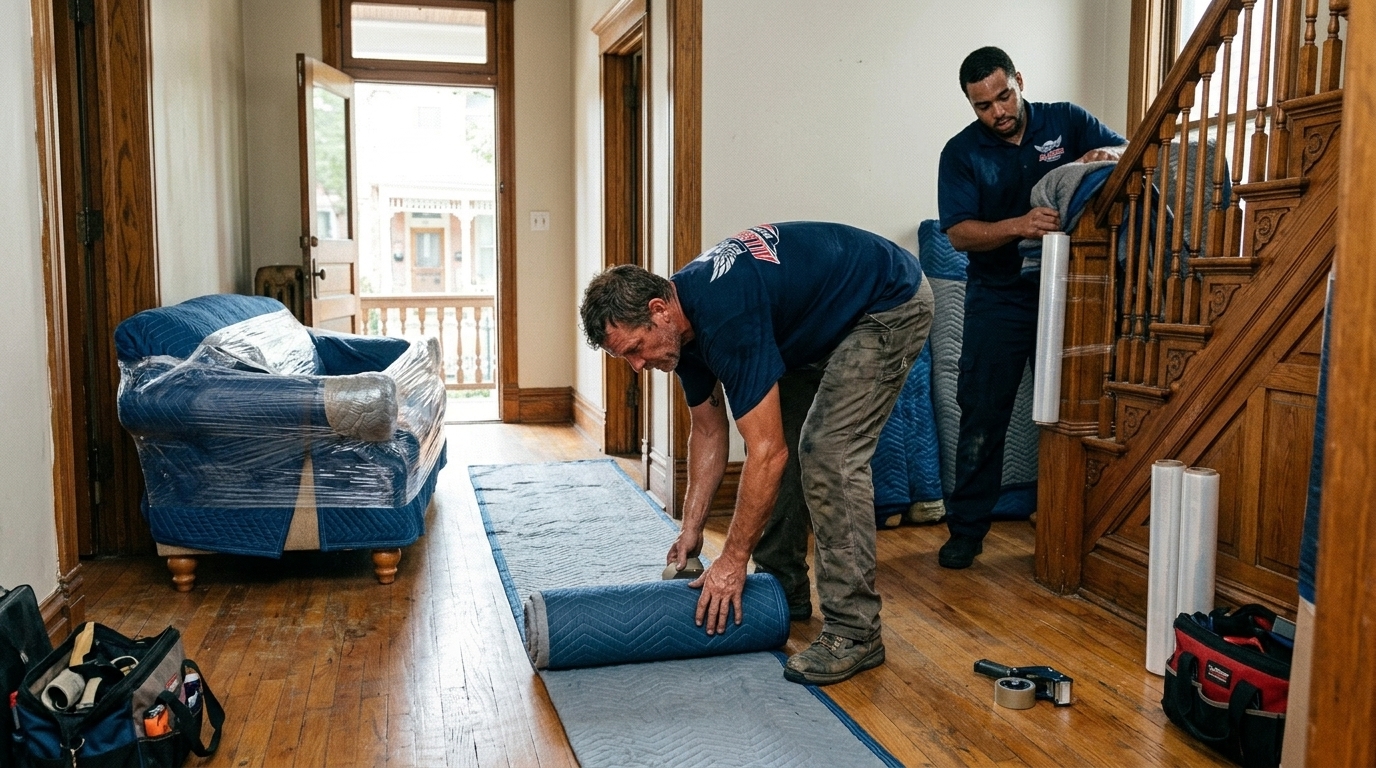
Older homes bring steep stairs, tight turns, and uneven porches. Crews need floor protection, stair experience, and patience. Ask how many stair carries they handle weekly.
Suburban Houses
Larger inventories and basements full of forgotten items mean bigger crews and longer days. A detailed home survey matters most here.
Specialty Items Residential Crews Should Handle
Standard moving does not cover everything in a home. Ask directly whether your mover can safely transport these:
Pianos and heavy safes
Large flat screen televisions and wall art
Mattresses, with protective covers
Plants, which many carriers refuse
A company that hesitates on these is telling you something about its experience.
What a Well Run Moving Day Looks Like
Knowing the flow helps you spot a professional crew quickly. Here is the rhythm of a smooth residential move:
Arrival and walkthrough: The crew lead tours your home, confirms the inventory, and notes existing scratches or damage.
Protection: Floors, doorframes, and banisters get covered before anything moves.
Loading: Heavy items go in first, boxes are packed tight, and furniture is strapped to the walls.
Final sweep: The lead checks every closet and cabinet with you before the truck leaves.
Delivery and placement: Furniture goes where you want it, and boxes land in the correct rooms.
If a crew skips the first or fourth step, keep a close eye on the rest.

Questions to Ask Before You Book
Skip generic questions like how much it costs. These reveal far more about a residential mover:
Will the same crew that surveys my home also move it?
What happens if my move runs longer than estimated?
How do you handle damage claims, and how long do they take?
Can I see a sample of your written agreement?
Clear, confident answers signal a company that is proud of its process.
Protect Yourself Before Moving Day Ends
Even the best crews have rare accidents, so document everything. Photograph your valuables beforehand, keep receipts for high value items, and inspect each piece as it comes off the truck. Note any damage on the delivery paperwork before the crew leaves, because that written record is what makes a claim smooth instead of stressful. Never sign a clean delivery receipt if something looks wrong.
Timing Your Residential Move in Chicago
Lease cycles drive demand here. The first and last days of each month fill quickly, especially in summer. Choosing a mid month weekday can lower stress and sometimes your price. Winter moves need extra preparation for ice, so clear your walkway and salt steps before the crew arrives.
Why Families Choose All Seasons Movers
All Seasons Movers is a full service residential mover serving Chicago and its suburbs. Our crews arrive in branded uniforms, protect your floors, walk through your home with you, and treat every belonging as if it were their own. Whether you are moving out of a downtown condo or a family home in the suburbs, you can request your quote and get a clear, written plan with no surprises. Honest communication is what turns a stressful day into a manageable one.
Quick Answers
How long does a typical Chicago residential move take?
A one bedroom usually takes four to six hours, while a family house can take a full day or two.
Do I need to be present during the move?
Yes, or send a trusted adult. Someone must approve the inventory, answer questions, and sign the final paperwork.
Final Thoughts
Choosing among Chicago residential moving companies is easier once you know the difference between carriers, brokers, and labor only helpers. Match the company type to your home, ask the questions that reveal real experience, and document everything on moving day. Preparation protects your belongings, your budget, and your peace of mind. The best movers do more than lift heavy boxes. They take the worry off your shoulders so you can focus on the exciting part, which is starting a new chapter in a new home. Take your time, compare, and choose the crew that earns your trust from the first conversation.