












Chicago Residential Movers: Match Your Home to the Right Crew
Chicago Residential Movers: Match Your Home Type to the Right Crew
Not every Chicago home moves the same way. A third floor walk up in Logan Square, a greystone in Lakeview, and a condo tower in the South Loop each demand a different plan, different equipment, and a different kind of crew. That is why choosing among Chicago residential movers works best when you start with your home, not with a price list. This guide walks you through what each home type needs so you can hire with confidence.

What Residential Movers Handle That Commercial Crews Do Not
A home is full of personal, fragile, and awkward items, and residential crews train for exactly that. Expect these core services:
Floor and wall protection: Runners, corner guards, and door jamb wraps keep your home and the building intact.
Furniture handling: Beds, sofas, and dressers are disassembled, padded, and secured before they ever touch the truck.
Room by room organization: Boxes are labeled and placed in the correct rooms at your new address.
Reassembly: Your bed frame, tables, and shelving are rebuilt so you can sleep in your own bed the first night.
Plan Around Your Home Type
1. Walk Ups and Two Flats
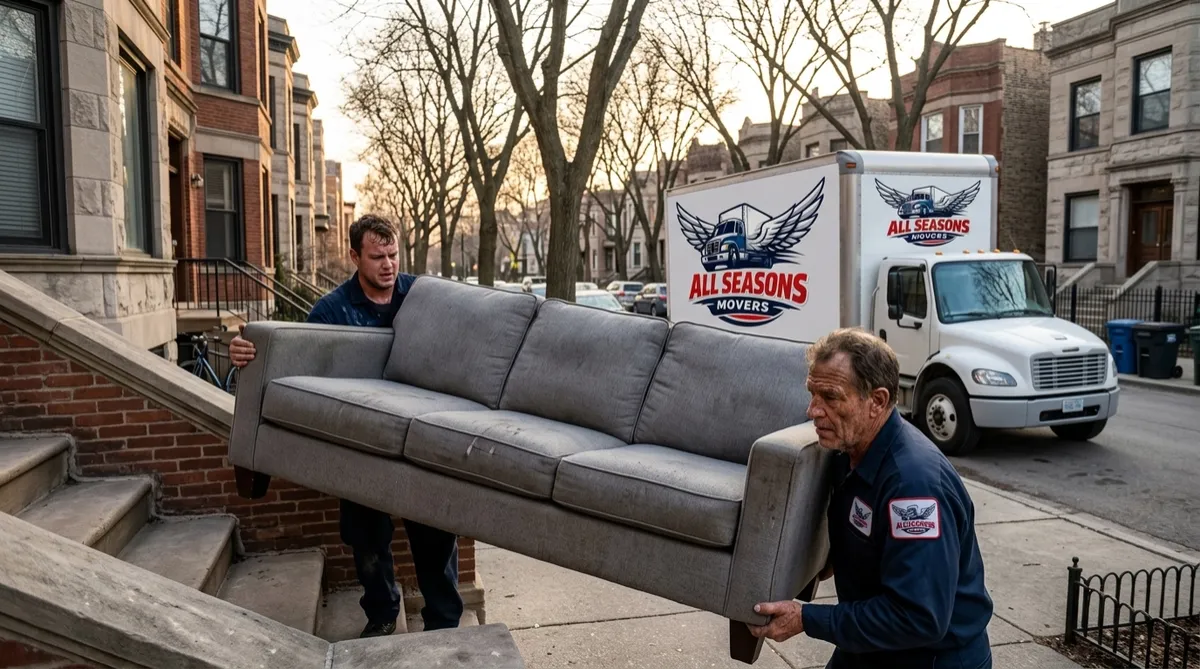
Narrow stairwells and tight turns are the norm in Wicker Park, Pilsen, and Logan Square. Ask your crew how they handle long stair carries, and confirm they can protect banisters and hallway walls.
2. Greystones, Bungalows, and Single Family Homes
These homes often have basements, attics, and garages full of stored items. Request a full walkthrough so nothing is missed, since hidden inventory is a common reason final bills climb.
3. Condos and High Rise Apartments
Downtown towers usually require a certificate of insurance, a reserved freight elevator, and set move hours. Give your movers your building manager's contact early so they can arrange everything.

The Chicago Timing Factor Most Homeowners Underestimate
Timing shapes both price and stress. Keep these points in mind:
Peak season: May through September fills up fast, so book four to six weeks ahead.
Lease turnover dates: The first and last day of the month are the busiest, so a mid month date often opens more options.
Winter moves: Snow and ice call for salted walkways and floor protection, but off peak dates can be easier on your budget.
Parking: Reserve a spot or permit for the truck so the crew is not carrying your belongings half a block.
Questions That Reveal a Great Residential Mover
Ask these before you book:
Will the same crew handle both loading and unloading?
Are your movers employees, or hired day labor?
Is the estimate written, itemized, and based on a walkthrough?
What does your coverage protect, and how do I file a claim?
How do you protect floors, stairwells, and elevators?
What happens if the move runs longer than planned?
Prepare Your Home Like a Pro
A little preparation makes moving day faster and cheaper:
Declutter first: Fewer items mean fewer crew hours.
Clear pathways: Move rugs, clutter, and pets out of hallways and stairwells.
Pack an essentials box: Chargers, medications, toiletries, and a change of clothes should ride with you.
Photograph valuables: Quick photos before the move make any future claim simpler.
Your Four Week Countdown to Moving Day
Four weeks out: Request estimates and confirm your date, building rules, and parking.
Three weeks out: Start packing rarely used rooms and schedule utility transfers.
Two weeks out: Update your address, confirm your crew, and set aside items you will carry yourself.
One week out: Defrost the freezer, pack your kitchen, and label every box by room.
Moving day: Walk the home with your crew lead, point out fragile items, and confirm the plan.

Handling Items That Need Extra Care
Some belongings deserve a plan of their own:
Pianos and heavy furniture: These need specialized equipment and extra hands, so mention them when you request an estimate.
Artwork and mirrors: Custom boxes and corner protection prevent chips, cracks, and scratches.
Appliances: Washers, dryers, and refrigerators should be disconnected and secured before transport.
Electronics: Photograph cable setups before unplugging so setup at your new home takes minutes.
Settling In After the Truck Leaves
The move is not finished when the last box comes inside. Use this short checklist:
Inspect furniture and floors while the crew is still there.
Set up beds, the kitchen, and the bathroom first.
Report any damage promptly and in writing.
Unpack one room per day instead of everything at once.
Red Flags When Comparing Chicago Residential Movers
A quote given without seeing your home or inventory.
A large cash deposit demanded upfront.
An unmarked truck or no company name on paperwork.
Pressure to sign immediately.
Why Homeowners Choose All Seasons Movers
All Seasons Movers focuses on residential moves across Chicago and the surrounding suburbs. Every job starts with a clear written estimate, and crews arrive in uniform with the protective gear your home needs. The goal is simple: your belongings arrive safely, your building stays clean, and your day stays on schedule.
Here is what you can expect:
Clear pricing: Itemized estimates with no surprise fees.
Careful handling: Wrapping, padding, and protection for every item.
Respectful crews: Trained, uniformed movers who treat your home well.
Ready to Book Your Chicago Home Move?
The best Chicago residential movers plan around your specific home, your building, and your calendar. Match your property type to the right crew, ask the hard questions, and prepare early. Do that, and your move becomes a well organized handoff instead of a scramble.
When you are ready for a smooth, stress free move, request your free estimate today and let a careful, uniformed crew handle the heavy lifting while you focus on your next chapter. Your Chicago home deserves expert care every step.