












Chicago Local Moving Guide: What to Know Before You Book | All Seasons Movers
Moving Across Chicago? Here Is What Actually Makes a Local Move Go Smoothly
Ask anyone who has moved within the city and they will tell you the same thing. A local move in Chicago is not a smaller version of a long distance move. It comes with its own rules, timing quirks, and building logistics that catch even experienced renters off guard. If you are relocating from one Chicago neighborhood to another, understanding these details ahead of time can save you hours of stress on moving day.
What Actually Counts As A Local Move
Most companies define a local move as any relocation within roughly fifty miles, usually staying inside the city or spilling slightly into the surrounding suburbs. That could mean moving from Lincoln Park to Logan Square, from a Loop high rise to a walk up in Pilsen, or even relocating a few blocks over in the same neighborhood. The distance is short, but the coordination required is often just as involved as a longer haul, especially once you factor in Chicago specific obstacles like street parking, alley access, and building policies. Homeowners moving between nearby suburbs like Evanston and Oak Park face many of the same challenges, just with somewhat wider streets and easier parking to work around.
Three Chicago Factors That Catch People Off Guard
1. Parking And Alley Access
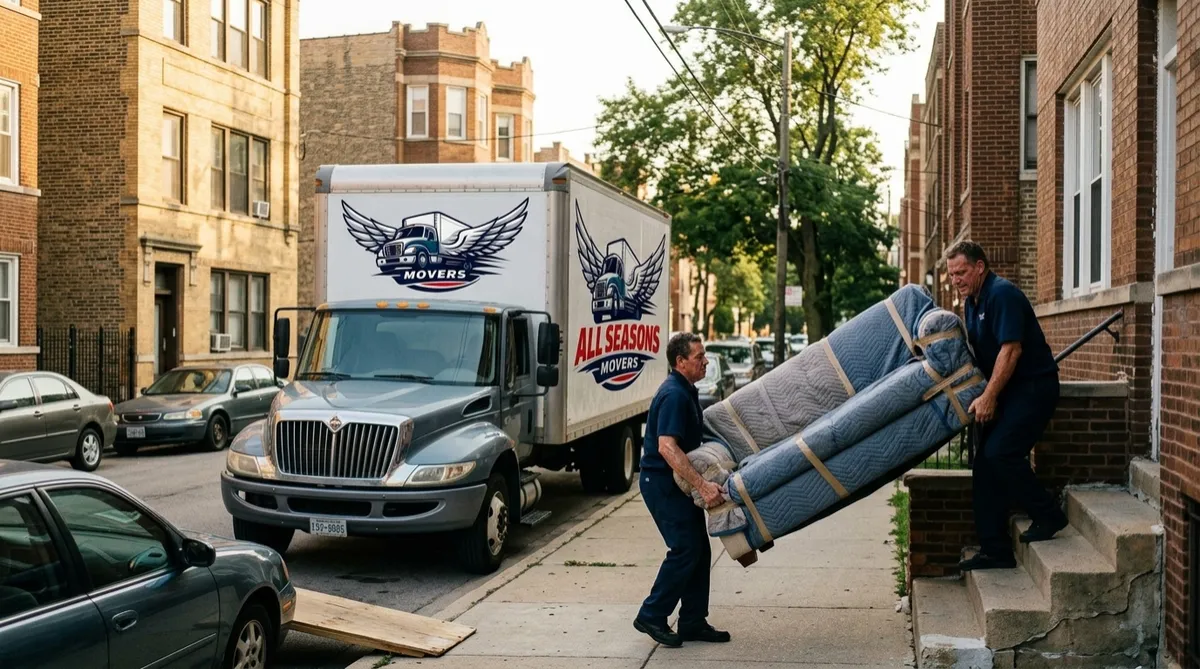
Chicago streets were not designed with moving trucks in mind. Narrow one way streets, permit only parking, and tight alleys behind older three flats add friction that suburban movers rarely deal with. Ask whether your crew plans ahead for loading zones or temporary no parking permits, since a truck stuck circling the block eats into your billed hours.
2. Certificate Of Insurance Requirements
Many downtown high rises and managed buildings will not let a moving crew through the lobby without a certificate of insurance on file with the property manager. This single piece of paperwork trips up more local moves than almost anything else. Confirm your movers can provide one quickly, ideally a few days before your date, not the morning of.
3. The September First Rush
Chicago has an unofficial mass moving day around the first of September, tied to lease turnover citywide. If your move falls near that window, book weeks ahead, since crews fill up fast and last minute availability grows scarce.

How Much Does A Local Move In Chicago Cost
Local moves are typically billed hourly rather than by weight, which makes pricing more predictable. A few factors that shift your total:
Number of movers. A two person crew suits a studio or one bedroom, while a three or four bedroom home usually needs three to four movers to finish efficiently.
Building access. Elevator reservations, long carry distances, and stairs can add time even if your square footage is small.
Season and day. Weekday moves in the middle of the month are typically cheaper than weekend moves at the start or end of the month.
Extra services. Packing help, furniture disassembly, and specialty item handling like pianos or safes add to the hourly rate but often save you money by preventing damage.
A written, upfront estimate beats a vague phone quote every time when it comes to avoiding surprise charges.
Choosing The Right Chicago Local Movers
Not every company listing Chicago on its website actually specializes in navigating the city. Before booking, ask these questions.
Are you licensed and insured to operate in Illinois?
Do you carry a certificate of insurance for high rise buildings?
How do you handle parking and loading logistics on tight streets?
What is included in your hourly rate, and what counts as an extra charge?
Can you share recent reviews from customers in my neighborhood?
A team that has spent years learning Chicago's neighborhoods, alleys, and building requirements tends to handle these questions without hesitation, since the answers are part of daily operations rather than an afterthought.

Packing Tips For A Local Chicago Move
Even short distance moves benefit from smart packing. A few habits make unpacking far easier.
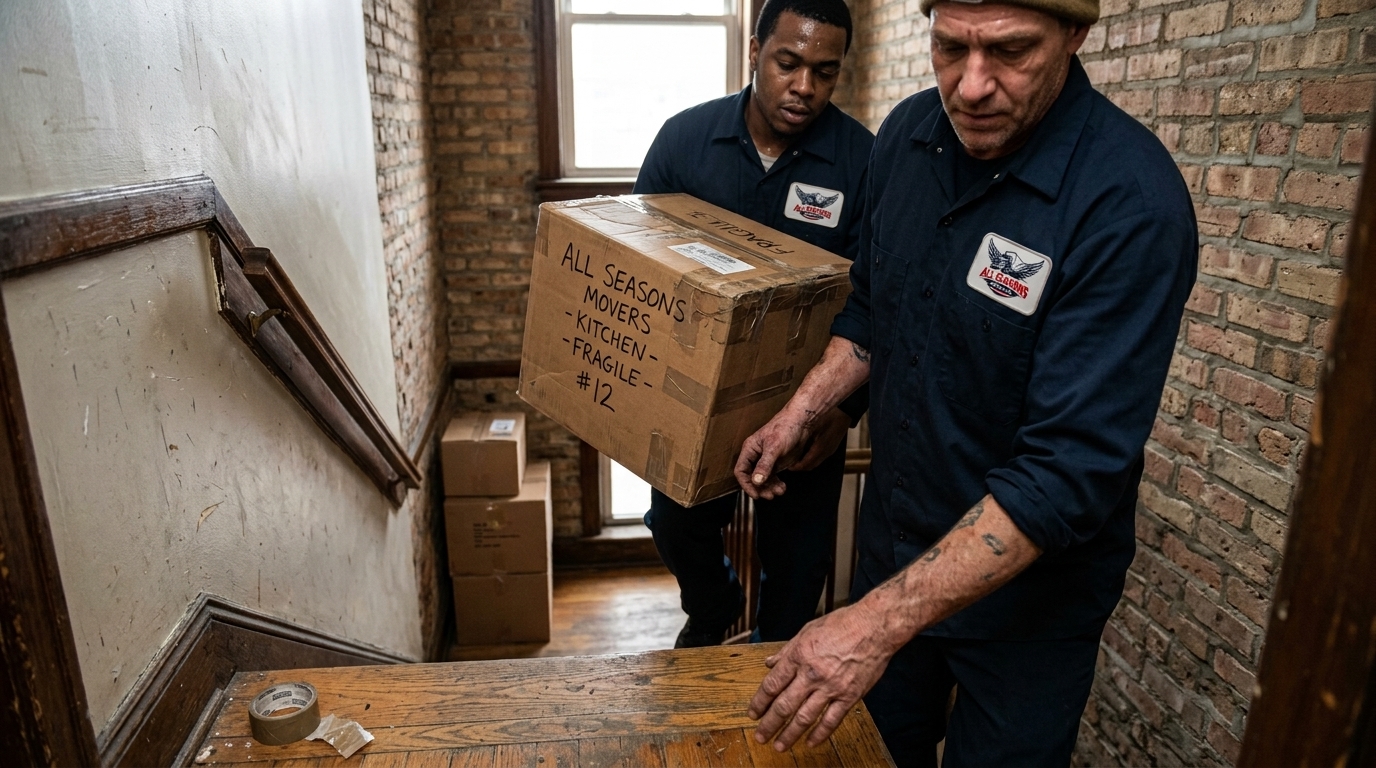
Label boxes by room, not by content, so movers know where to place them.
Pack a first night bag with toiletries, chargers, and a change of clothes.
Wrap fragile kitchenware in towels or linens instead of extra paper.
Keep hardware for disassembled furniture taped to the matching piece.
Photograph electronics setups before unplugging, so reconnecting is simple later.
Timing Your Move Around Chicago Weather
Winter ice on sidewalks and summer heat on unshaded pavement both slow a crew down and raise the risk of injury or damage. Spring and early fall tend to offer the most predictable conditions, though a well prepared crew can work safely in almost any weather with the right precautions. If a winter move is unavoidable, ask how your crew handles salted walkways and protecting belongings from slush during the carry.
Questions Worth Asking Before Booking
Before you sign anything, it helps to slow down and confirm the basics with any company you are considering.
How many years have you operated specifically within Chicago?
Is my quote based on a phone estimate or an actual inventory review?
What happens if my move runs longer than expected?
Do you offer short term storage if my new place is not quite ready?
Clear answers to these questions usually tell you more about a company's reliability than any star rating ever could.
Final Thoughts
A local move within Chicago is rarely as simple as people expect, but it does not have to be stressful. Once you understand the city specific hurdles like parking, building paperwork, and seasonal demand, you can plan around them instead of being surprised by them. If you want a crew that already knows these details inside and out, you can learn more and request a free quote through All Seasons Movers, where the team specializes in exactly this kind of hyperlocal Chicago relocation.