












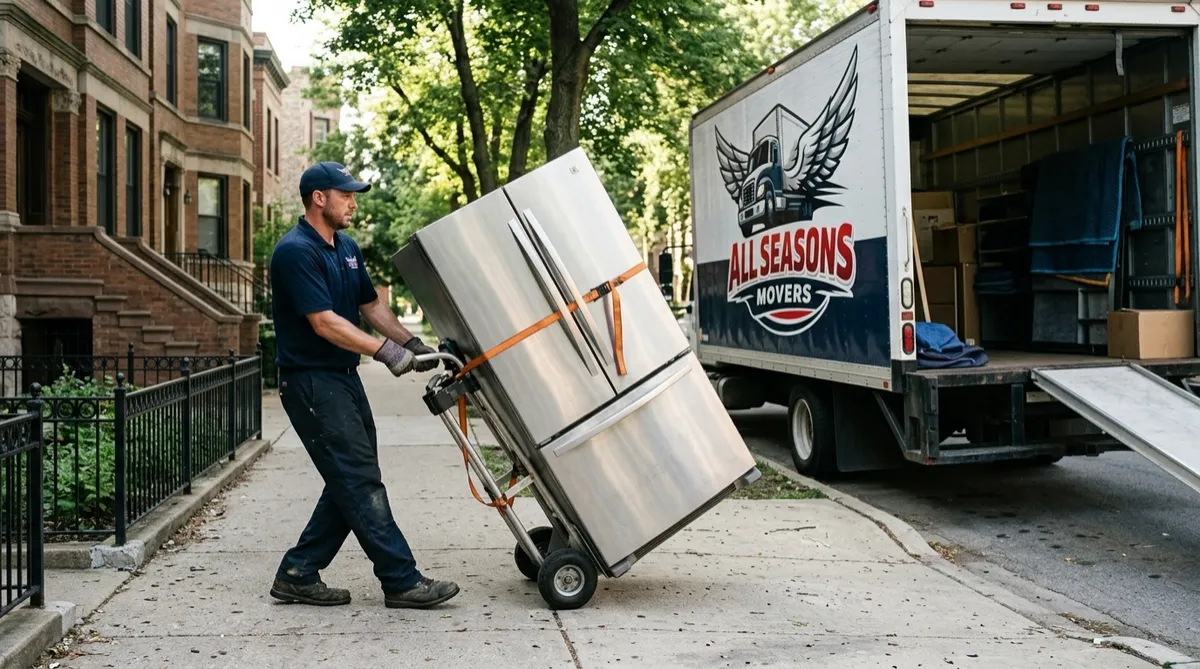
Chicago Item Moving Company: Move One Big Item the Smart Way
Chicago Item Moving Company: How to Move One Big Thing Without a Full Moving Day
You bought a couch from a seller in Lincoln Park. Or you inherited your grandmother's piano. Or your new fridge will not fit in your hatchback. Now you need one item moved across town, and booking a full crew feels like overkill.
That is exactly when a Chicago item moving company earns its place. Here is how to hire one smartly, what it should cost you, and how to avoid the mistakes that turn a simple pickup into an expensive headache.

What an Item Moving Service Actually Covers
Item moving means hiring trained movers and a truck for one piece or a handful of pieces, instead of a whole household. Think of it as the middle ground between asking friends for help and booking a full move. You pay for the labor and equipment you need, nothing more.
Items People Most Often Move Alone
These are the requests movers hear most:
Sofas, sectionals, and dining tables.
Refrigerators, washers, and dryers.
Pianos and other instruments.
Safes, gym equipment, and hot tubs.
Marketplace purchases and estate sale finds.
Why Heavy Items Are Harder Than They Look
Weight is only part of the problem. A queen sized sofa may weigh under two hundred pounds, but it still needs to turn through a tight stairwell. Chicago's three flats, walk ups, and narrow hallways punish anyone who has not measured first. Professional movers bring dollies, straps, and floor protection, and they know how to pivot an item through a tricky corner without scraping walls or hurting backs.
How to Measure Before You Book
A five minute measuring session prevents most surprises. Grab a tape and record these:
The item's height, width, and depth.
Every doorway and hallway it must pass through.
Stair width, turns, and landing space.
Elevator size, if your building has one.
Share these numbers with your mover. If the item will not fit, they can plan to remove legs, doors, or railings, or suggest another route.

What Single Item Moves Cost in Chicago
Most companies charge by the hour with a minimum, often two hours, plus a truck fee and sometimes a stair fee. Because pricing varies, ask for a clear quote before you commit. These factors move the price most:
Distance between pickup and drop off.
Weight and awkward shape.
Number of flights of stairs at each address.
Special handling, such as crating or rigging.
Specialty pieces like pianos and safes usually cost more because they require extra crew members and equipment. That is normal, and it is far cheaper than a damaged floor or an injured back.
Questions to Ask Before You Hire
Not every company handles small jobs well. Ask these before you book:
Are You Licensed and Insured?
Reputable movers carry proper licensing and insurance covering your item while it is in their care. Ask what happens if something is damaged and how claims are handled.
Is the Quote Flat or Hourly?
Hourly rates reward speed, while flat rates reward certainty. Neither is wrong, but you should know which one you are getting and whether travel time is included.
Who Shows Up on the Day?
Confirm the crew size and truck type. A heavy item may need three movers, not two. Also ask whether your building requires proof of insurance or a reserved elevator.
How to Prepare Your Item for Moving Day
Preparation protects both your item and your budget. Small steps save crew time and reduce risk.
Appliances
Empty and defrost refrigerators at least a day ahead. Disconnect washers and dryers, and secure hoses and cords. Keep manuals and loose parts together in a labeled bag.
Furniture
Remove drawers, cushions, and loose hardware. Photograph how pieces fit together so reassembly is easy. Clear a path through your home and, if you live on a busy street, check the parking situation for the truck.
Fragile and Valuable Pieces
Tell your mover about glass tops, marble, or antique finishes in advance. They may bring extra padding or custom crating.

Common Mistakes That Cost Chicagoans Extra
Learn from what goes wrong most often:
Hiring a stranger with a pickup truck and no insurance.
Skipping measurements and discovering the item will not fit.
Forgetting to mention stairs when requesting a quote.
Booking for a weekend afternoon without a backup time.
Why Local Knowledge Matters for Small Jobs
A small move still has to navigate Chicago. Alleys, one way streets, permit zones, and rush hour traffic can turn a one hour job into three. A team that works these streets every day plans the route, parks smartly, and keeps your clock from running. At All Seasons Movers, our crews handle everything from single pieces to full households, so you get the same careful handling no matter how small the job.
Same Day or Scheduled: Which Is Better?
Same day service is useful for marketplace pickups and urgent deliveries, but availability is limited and prices may rise. Scheduling two to five days ahead gives you better rates, a more flexible time window, and a crew prepared for your specific item. If your item is valuable or unusually heavy, planning ahead is almost always the better choice.
When Several Items Make a Full Move the Smarter Choice
Here is a quick test. If you are moving more than five or six large pieces, or the job will take longer than three hours, compare an item quote against a small apartment move. Sometimes the total is close, and a full crew gives you better coverage, packing help, and fewer trips.
Get Your Item Where It Belongs
Moving one item should feel easy, not risky. Measure first, ask the right questions, and choose a team that treats a single sofa with the same care as a whole house. When you are ready, get a quote from All Seasons Movers and tell us what needs to go, where it is going, and how many stairs are involved. We will take it from there.