












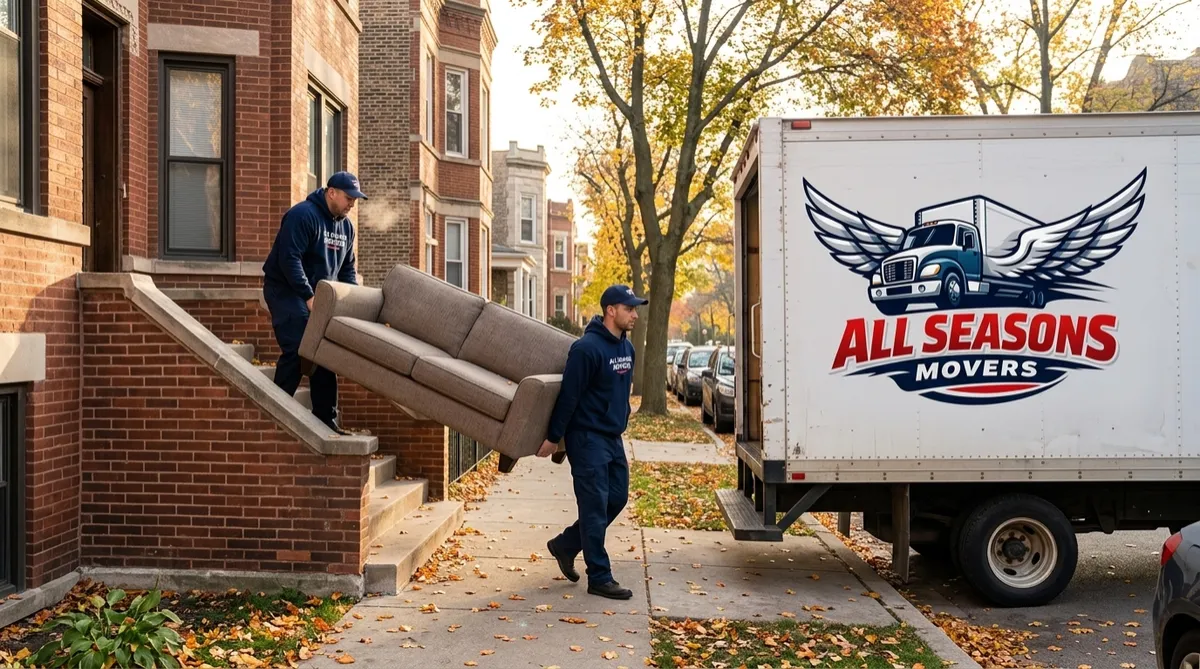
Chicago IL Moving and Storage: Bridge the Gap Between Homes
Chicago IL Moving and Storage: How to Bridge the Gap Between Homes Without the Stress
Your lease ends on the thirty first. Your new keys arrive on the fifth. Somewhere in between, a whole apartment of furniture needs a place to live. If that sounds familiar, you are exactly who Chicago IL moving and storage services were built for.
Most guides about moving and storage in Chicago give you a list of companies and a list of unit sizes. This one is different. It walks you through the real decisions Chicagoans face: when to store, what kind of storage fits, and how to keep a city move from falling apart on the details.

Why Chicago Moves Often Need Storage in the Middle
Chicago is a city of timing problems. Many leases end on the same days, closings slip by a week, and a renovation can stretch longer than promised. Add narrow alleys, walk up buildings, and strict freight elevator reservations, and a straight move from door to door is not always possible. Storage gives you breathing room, and a good moving team makes it seamless.
Five Moments When Storage Makes Sense
Not every move needs it. These situations almost always do:
Lease and closing dates that do not match.
Downsizing from a house to a condo or apartment.
Staging a home for sale while you wait for the next one.
Renovations that leave rooms unusable.
Relocating for work before your family is ready to follow.
Choosing the Right Type of Storage
Storage is not one product. Understanding the options keeps you from overpaying or, worse, putting furniture somewhere unsuitable.
Full Service Warehouse Storage
Your movers pack, load, and place everything in a secure facility, then deliver it when you are ready. This suits families who want one team handling everything from pickup to final delivery, with fewer touchpoints and less lifting.
Self Storage Units
You control access and the price per month is often lower, but you or your movers still carry every item inside. Check whether the facility has elevators and loading bays before you sign.
Climate Controlled Space
Chicago swings from frozen winters to humid summers. Wood furniture, leather, electronics, and artwork can warp, crack, or grow mildew in unregulated space. If items will sit longer than a month, this upgrade is usually worth it.
Planning Around Chicago's Calendar and Streets
Timing changes everything here. The busiest stretch runs from May through September, when most leases turn over. Book your move and storage at least four to six weeks ahead for those months. Winter dates are easier to secure and often cheaper, though snow and ice call for extra planning on sidewalks and loading areas.
Street access matters just as much. Before moving day, confirm these details:
Whether your building requires a certificate of insurance from movers.
Freight elevator hours and reservation rules.
Truck parking, and whether a city permit is needed for the curb.
The route from the truck to the storage unit door.
What Most Storage Quotes Leave Out
A low monthly rate can hide expensive extras. Ask for a written quote that covers each of the following:
Pickup and delivery fees for items going in and out.
Insurance or valuation coverage for stored goods.
Minimum storage periods and early release penalties.
Packing materials and furniture wrapping.
Also ask how your items are tracked. Inventory labels and photos taken at pickup protect you if anything is questioned later.

How to Pack for Storage So Nothing Comes Out Damaged
Items stored for weeks need different care than items moving across town. Follow this simple approach:
Prepare Before You Pack
Clean and dry every item completely. Drain appliances, empty drawers, and disassemble large furniture. Photograph anything valuable. Moisture trapped inside a box is the most common reason belongings come out smelling musty.
Load Smart
Place heavy items on the bottom and keep a walkway through the unit so you can reach what you need. Stand mattresses upright in covers, and leave small gaps for air to circulate. Use sturdy boxes and label each one by room and contents.

Common Mistakes Chicagoans Make
Learn from others and avoid these:
Booking storage and movers separately, which creates scheduling gaps.
Choosing a unit that is too small and paying twice to fix it.
Skipping insurance because the unit has a lock.
Forgetting to plan how items will return to your new home.
Why One Team for Moving and Storage Works Better
When the same crew packs, transports, stores, and delivers your belongings, nothing gets lost between handoffs. At All Seasons Movers, our crews coordinate pickup and delivery around your real dates, so your furniture is waiting when your new place is ready. That kind of continuity is hard to match when you juggle two or three vendors.
How Long Should You Store Your Things?
Short term storage, from a few days to three months, usually covers lease gaps and closing delays. Medium term storage, from three to twelve months, fits renovations and job relocations. Beyond a year, ask yourself honestly whether each item is worth the monthly cost. Many people find that after six months, they are paying to store things they no longer want.
A Simple Timeline for Your Move
Six weeks out: request quotes and reserve your dates.
Four weeks out: sort belongings and decide what goes to storage.
Two weeks out: pack, label, and confirm building rules.
Moving day: walk through with your crew and review the inventory.
Delivery day: schedule it once your new place is ready.
Ready to Move and Store With Confidence?
Chicago moving and storage need not feel like a puzzle. With the right timing, the right type of storage, and one coordinated team, the gap between homes becomes a pause instead of a problem. Start by listing what you need to store and for how long, then request a quote from All Seasons Movers so your plan is built around your dates. Your belongings deserve a safe place, and you deserve a smooth transition.