













Best Moving Company in Chicago: 7 Signs to Look For
How to Find the Best Moving Company in Chicago (Without Getting Burned)
Chicago moves are not like moves anywhere else. Narrow alley loading in Lincoln Park, elevator reservations in the Loop, parking permits on crowded streets, and winters that turn a simple carry into a hazard. Picking the wrong crew can cost you money, time, and your favorite furniture.

This guide shows you exactly how to spot the best moving company in Chicago, using a simple checklist you can apply to any quote you receive.
Why "Best" Means Something Different in Chicago
The top rated name is not always the right fit. The best mover for a two bedroom walk up in Wrigleyville is different from the best mover for a high rise downtown. Before you compare companies, define what you need:
Building type: walk up, high rise, house, or suburban home
Move size: studio, one bedroom, or a full family home
Timing: weekday, weekend, or end of month rush
Extras: packing, storage, piano, or specialty items
Knowing this first keeps every quote on equal footing.
7 Signs You Have Found a Truly Great Chicago Mover
1. Proper Licensing and Insurance
Local moves within Illinois are regulated by the Illinois Commerce Commission, so ask for the company's license number and a certificate of insurance. A real company hands both over without hesitation.
2. A Real In Home or Video Estimate
Phone quotes without questions are a red flag. Reliable movers ask about stairs, elevators, and inventory, then give a written estimate.
3. Transparent Pricing
Look for hourly rates, crew size, truck fees, and travel time spelled out clearly. Hidden fuel charges and stair fees are where surprise bills hide.
4. Reviews That Mention Details
Skip the generic five star ratings. Look for reviews that mention careful wrapping, on time arrival, and how problems were handled.
5. Experience With Chicago Buildings
Ask whether they handle certificate of insurance requests for condo boards, reserve loading docks, and manage permits for street parking.
6. Clear Damage Policy
Understand the difference between basic released value protection and full value coverage before move day, not after.
7. Trained, Uniformed Crews
Employees, not random day labor, mean accountability. Branded uniforms and marked trucks are small signals of a professional operation.
The Gap Most Guides Skip: Planning Around Chicago Conditions
Most articles list companies and stop there. These local factors matter just as much as the mover you hire:
Weather: January moves need floor protection, salt management, and extra time. Summer heat slows crews, so early starts help.
Parking: Request a no parking permit from the city well ahead, since it often takes days to process.
Elevators: Reserve building elevators in writing and confirm the time window.
Peak dates: Late May through August and the last weekend of any month book fastest. Reserve at least three to four weeks ahead.
City Moves vs Suburban Moves: What Changes
A downtown high rise move is about logistics: dock reservations, elevator padding, and tight time windows. A suburban house move is about volume: more rooms, more boxes, and often a bigger truck. Ask any mover how they handle your specific building type. A confident, detailed answer is a very good sign.
Red Flags That Should End the Conversation
A quote that is far below every competitor
A large cash deposit demanded upfront
No company name on the truck or paperwork
Pressure to sign immediately
Vague answers about insurance
If you notice two or more, keep looking.
How to Compare Quotes in 10 Minutes
Line up three written estimates and compare these points side by side:
Hourly rate versus flat rate
Number of movers and truck size
Minimum hours and travel time charges
Packing materials and services included
Valuation coverage level
The cheapest number rarely wins. The clearest estimate usually does.

Smart Ways to Lower Your Moving Bill
Declutter first, since fewer items means fewer hours
Pack non fragile items yourself before the crew arrives
Book midweek, when schedules are more open
Disassemble simple furniture ahead of time
Clear hallways and reserve parking the day before
Small prep steps like these can shave real time off an hourly move, and time is where most of your money goes.
What a Smooth Move Day Looks Like
A well run crew arrives within the promised window, walks through the home with you, protects floors and doorways, wraps furniture, and loads strategically so heavy items go in first. At delivery, they place boxes in the correct rooms and reassemble beds before leaving. If a company skips the walkthrough, expect the rest of the day to be disorganized.
Questions to Ask Before You Book
How long have you been moving Chicago residents?
Will the same crew handle my packing and loading?
What happens if my move runs longer than estimated?
How do you handle damage claims?
Can you provide recent references?
Why Chicago Families Trust All Seasons Movers
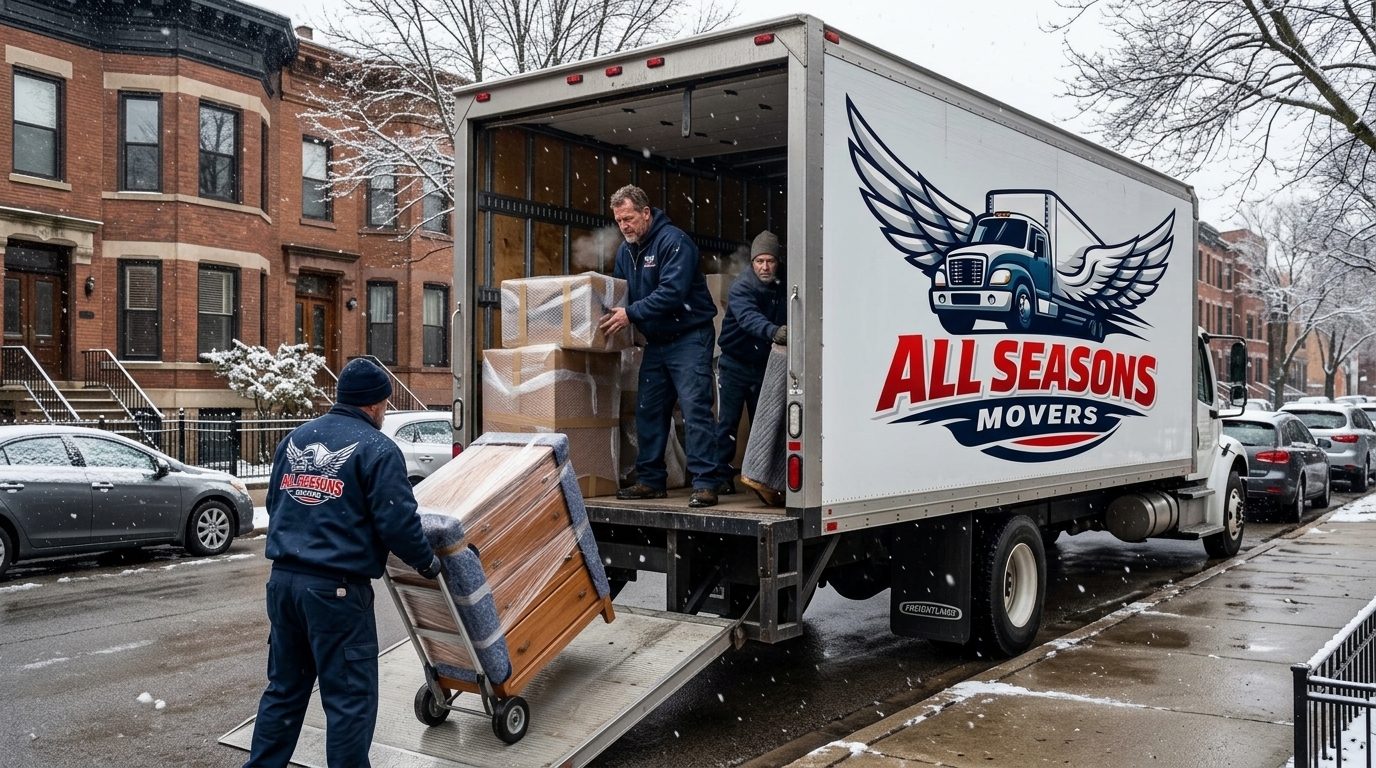
Chicago weather swings from brutal winters to humid summers, and a mover has to perform in all of it. That is the idea behind All Seasons Movers: dependable crews, clear communication, and careful handling in every month of the year. Whether you are moving across a neighborhood or out to the suburbs, you get a team that treats your belongings like their own.
Final Checklist Before Move Day
Confirm your date, crew size, and arrival window in writing. Photograph valuable items beforehand. Keep important documents, medications, and chargers with you, not on the truck.
Your Next Step
A great move starts with great questions, and now you have everything you need to ask them confidently. Do not leave your move to chance. Use the checklist above, collect three written estimates, and ask the tough questions. When you are ready for a straightforward quote, request your free moving estimate and see how a well organized Chicago move should feel.